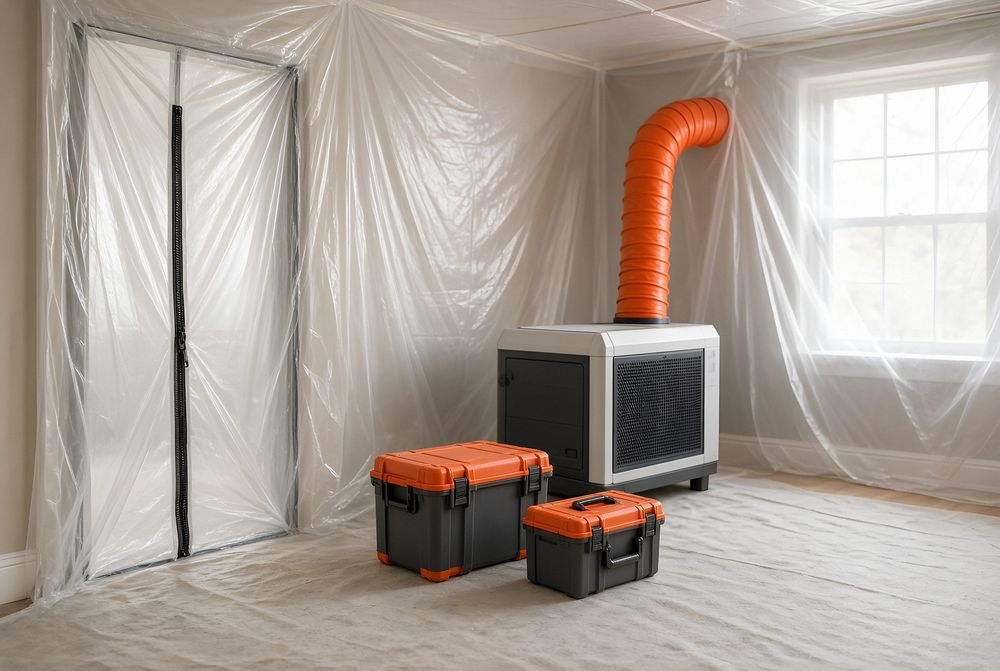
A professional hoarding cleanup is very different from junk removal. It involves planning, careful sorting, safety measures, sanitation and respect for the person whose home it is. Knowing the steps helps families, landlords and case workers set expectations and choose a company. Every job is different, but most follow the same general process.
1. The first conversation
The process starts with a conversation about:
- Who lives in the home and who is involved in decisions
- Whether the person is willing and able to participate
- Safety concerns, deadlines, code enforcement notices or legal issues
- Pets, pests and known hazards
- Items that must be found, such as documents, medications, keys, valuables and keepsakes
- Whether a therapist, case worker or other professional is involved
2. On-site assessment
A trained assessor visits, wearing protective equipment as needed, to evaluate:
- The volume and types of items
- Access, pathways and exits
- Sanitation, including spoiled food, human or animal waste and pests
- Structural and utility issues, such as damaged floors, leaks or non-working plumbing
- Fire hazards
- Biological or chemical hazards such as needles, mold or chemicals
The assessment produces a plan, an estimate and a schedule.
3. Planning and agreements
Before work begins, the team agrees with the person and family on:
- Sorting categories, typically keep, donate, recycle, shred and discard
- What can be discarded without asking, such as spoiled food and obvious trash
- What must always be set aside, such as papers, photos, cash, jewelry and medications
- How decisions will be made on items in between
- The schedule and how many hours per day the person can handle
- Where kept items will go
Clear agreements reduce conflict and protect trust.
4. Safety first
Crews start by creating safe pathways, clearing exits and addressing immediate hazards: spoiled food, waste, sharps, unstable piles and pests. Protective equipment is chosen for conditions, which may include gloves, coveralls and respiratory protection where mold, dust or animal waste are present.
5. Sorting, room by room
Sorting is methodical. Crews work through one area at a time, checking inside boxes, bags, pockets, books and containers for valuables and documents. Items are placed into agreed categories. When the person participates, crews present items for decisions at a pace they can manage.
6. Removal
Trash, debris and contaminated items are removed and disposed of properly. Donations go to charities that accept them. Recyclables are separated. Sensitive papers are shredded. Hazardous items such as chemicals, paint and batteries are handled according to local rules.
7. Deep cleaning and sanitation
Once items are out, the home can be cleaned:
- Removal of human and animal waste and disinfection of affected surfaces
- Cleaning of kitchens, bathrooms, floors and walls
- Removal of contaminated carpet and materials that can't be saved
- Odor treatment after source removal
- Coordination with pest control
8. Repairs and restoration
Hoarding often hides maintenance problems: leaks, damaged floors, broken fixtures and electrical issues. The team documents these so a contractor can make repairs.
9. Organizing what's kept
Kept items are organized so the home is functional, with clear space in key rooms.
10. Aftercare
Without support, homes often fill up again. Aftercare may include ongoing therapy, periodic check-ins, maintenance cleaning visits and family support.
How long it takes
Small homes with moderate accumulation may take a few days. Severe hoarding in larger homes can take weeks, especially when the person participates in sorting decisions, which takes time but leads to better outcomes.
Choosing a company
Look for a company that:
- Treats the person with dignity and confidentiality
- Explains its sorting and decision process
- Handles biohazards, pests and waste properly
- Provides a written estimate and scope
- Works with therapists and case workers
- Offers documentation for landlords, courts or code enforcement when needed
Documentation for landlords, courts and agencies
When a landlord, court or code enforcement office is involved, documentation matters. Professional companies can provide before-and-after photos, a summary of work completed, disposal records and notes on remaining repairs. This helps show compliance with deadlines or orders and supports any reasonable accommodation discussions with a landlord.
Frequently asked questions
Does the person have to be present?
It's best if they participate, but it isn't always possible. Agreements on what to keep and discard help when they can't be present.
Will everything be thrown away?
No. Professional cleanup sorts items carefully and keeps what the person decides to keep, within safety limits.
What about pets?
Pets are kept safe during cleanup, and animal waste is addressed. Severe animal hoarding involves additional steps.
Can you meet a code enforcement deadline?
Often yes, by prioritizing the issues cited. Share the notice when you call.
Is hoarding cleanup covered by insurance?
Usually not, though specific damage such as a burst pipe may be.
What happens to items we want to keep but have no room for?
They can be packed and stored temporarily while decisions are made, or moved to a storage unit.
Can cleanup happen in stages?
Yes. Many projects address safety and the kitchen and bathroom first, then other rooms over following weeks.
Key takeaways
Professional hoarding cleanup moves from conversation and assessment through planning, safety, careful sorting, removal, deep cleaning, repairs and aftercare. Clear agreements, respect for the person and connection to ongoing support make results last.
Sources
- American Psychiatric Association: What Is Hoarding Disorder?
- OSHA: Bloodborne Pathogens and Needlestick Prevention
- CDC: How to Clean Up After Rodents
This guide is general information. It is not legal, medical, environmental or safety advice. Rules vary by state and locality. For a specific situation, consult the relevant agency or a qualified professional.