Odors are a symptom
A persistent odor nearly always means material is still present: decomposition fluid in a subfloor, urine in a slab, tar and nicotine residue on every surface, sewage in a crawlspace, or chemicals absorbed into drywall. Air fresheners and fogging alone can hide a smell for a while, but as long as the source remains, the odor returns, often on humid days or when the heat comes on.
Professional odor remediation follows a set order: find the source, remove or clean it, then treat what remains in the air and in building materials. The order matters. Deodorizing before the source is removed wastes time and money.
Common odor sources we address
- Decomposition, after an unattended death or from a dead animal in a wall, attic or crawlspace.
- Smoke and nicotine, from heavy indoor smoking or after small fires.
- Urine, from pets, animal hoarding or human incontinence that has reached pads, subfloor or concrete.
- Sewage, from backups, failed plumbing or crawlspace contamination.
- Chemical odors, after spills, drug manufacturing, solvent use or tear gas deployment.
- Spoiled food, in refrigerators, freezers and pantries after power loss or long vacancies.
Methods and when each fits
- Source removal. Taking out saturated carpet and pad, cutting out affected drywall or subfloor, and cleaning surfaces with suitable detergents.
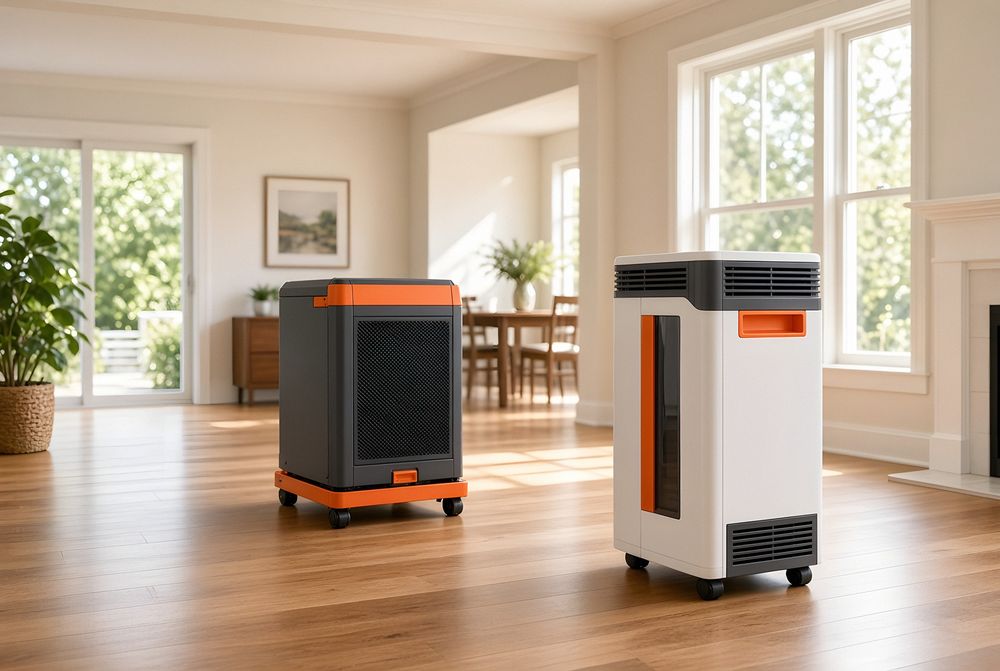
- Hydroxyl generation. Hydroxyl generators can be used in occupied spaces under manufacturer guidance and work gradually on airborne and surface odor compounds.
- Ozone treatment. Ozone is effective for some odors but is a lung irritant. It is used only in unoccupied spaces, with people, pets and plants removed, and the space is ventilated before reentry. U.S. EPA material on ozone generators explains the health concerns.
- Thermal fogging. Heated deodorant particles can reach the same places smoke traveled, which makes fogging useful for smoke odor in particular.
- Encapsulation. Specialty sealers lock residual odor into structural materials, such as framing or subfloor, that can't be removed. They are applied only after the material has been cleaned.
- HVAC treatment. Ductwork and air-handling components often hold odor and redistribute it, so they are assessed and cleaned where needed.
What to expect
We'll explain the likely source, the methods we recommend and why, and any limits. For example, a smoke odor in porous materials may be greatly reduced but need encapsulation before repainting. Some odors fade over days as materials off-gas after treatment. We'll tell you if that's expected rather than promising an immediate result that the materials won't allow.
Safety
Some odors signal health hazards, such as sewer gas, chemical vapors or decomposition. If an odor causes headaches, dizziness or breathing problems, leave the area. If you suspect a gas leak, call the utility or 911.