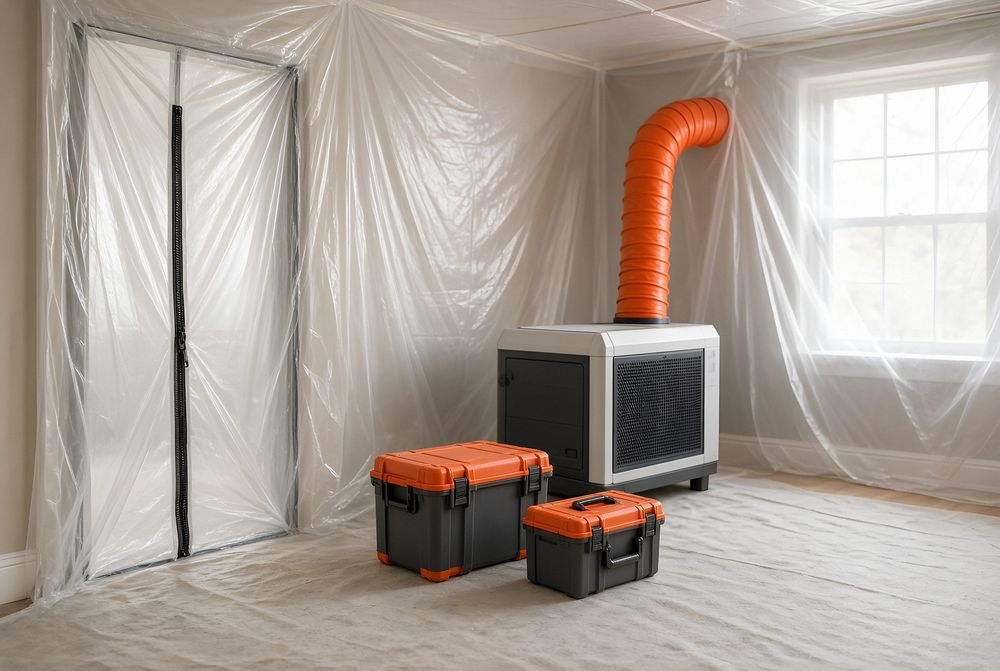
Former meth labs come onto the market as foreclosures, estate sales, auctions and ordinary listings. Some have been properly decontaminated and released; others haven't been cleaned at all. Buying one can be a reasonable decision if you understand the property's status and costs. Buying without knowing can leave you with an unlivable house and an expensive cleanup. This guide explains how to protect yourself.
Start with the property's status
Ask and verify:
- Is the property on a state registry or list? Tennessee's environment agency publishes a registry of meth-contaminated properties, and Arkansas's environmental agency keeps a public list. Other states have their own notification systems.
- Is it under quarantine or an occupancy restriction? In Tennessee, quarantined properties require testing by a certified specialist and decontamination by an authorized contractor before release. West Virginia requires notified residential properties to stay unoccupied until remediation is certified.
- Has it been released? If it was decontaminated, ask for the final report and the state's release or approval.
If the property is still restricted, you may be buying a cleanup project, not a home.
Ask about history
- Has there been a drug raid or seizure at the address?
- Were tenants evicted for drug activity?
- Has the property been tested, and can you see the results?
- What repairs or renovations were done, and why?
Answers aren't always available, but the questions matter.
Get your own test
Even when a seller says a property is fine, consider independent testing by a qualified professional using an accredited laboratory. Testing is especially important when:
- The property has a known or suspected drug history
- It's being sold as-is, at auction, or by a bank or estate with little information
- Fresh paint or new flooring seems to cover a problem
- You plan to live there with young children
- You plan major renovations
Write the purchase contract so you can test during due diligence and back out or renegotiate if results show contamination.
Understand cleanup costs
If testing shows contamination, cleanup may include removing carpet, soft materials and sometimes drywall; washing all hard surfaces; cleaning or replacing HVAC components; addressing plumbing or septic issues at former labs; and clearance testing. Costs vary with size, contamination levels, state requirements and repairs. Get estimates from qualified contractors, certified where your state requires it, before closing.
Disclosure and the seller's obligations
Several states require sellers to disclose known meth lab history or quarantine status, and some require disclosure on standard forms. Rules vary, and as-is sales may limit some disclosure rights. Ask your agent and attorney what your state requires, and get the seller's disclosures in writing.
Financing and insurance
Lenders and insurers may decline properties under quarantine or with known unremediated contamination. Appraisers may note concerns. Talk with your lender and insurer early. Some buyers purchase with cash or rehabilitation loans and remediate before occupancy.
Auctions and foreclosures
Auction and foreclosure properties often come with limited information and no inspection contingency. If you can't test before buying, factor the possibility of contamination into your bid, and check state registries.
After you buy
If you buy a contaminated property:
- Follow your state's process if it's regulated, using certified or authorized professionals.
- Keep the property unoccupied until cleanup and clearance are complete.
- Keep all reports, test results and state releases; you'll need them when you sell or rent.
A due diligence checklist
- Search state registries and lists.
- Ask the seller and agent about drug history in writing.
- Review the seller's disclosures.
- Order independent testing during due diligence.
- Get cleanup estimates if results are positive.
- Confirm financing and insurance.
- Review the contract's contingencies with your attorney.
Working with your agent
A buyer's agent who knows the local market can help you find out whether a property has a drug history, interpret disclosures and negotiate contingencies. Tell your agent early that you want drug residue testing included in due diligence, so the timeline accounts for laboratory turnaround.
Frequently asked questions
Is it safe to buy a former meth lab that was cleaned?
If it was decontaminated to the applicable standard and you have documentation of clearance or state release, it can be. Independent testing adds confidence.
Can I clean it myself?
In regulated states, decontamination of former labs must be done by certified or authorized contractors. Elsewhere, professional cleanup is still strongly recommended.
Will a home inspector find meth?
Standard home inspections don't test for drug residue. Order meth testing separately.
Does a past lab lower the price permanently?
Properly remediated and documented properties typically regain value, though some buyers will always be wary.
What if I discover contamination after closing?
Contact your state agency and an attorney about disclosure obligations and your options.
Key takeaways
Check registries and quarantine status, ask about history, and order independent testing during due diligence. Understand cleanup costs and your state's requirements before closing. Confirm financing and insurance, review disclosures, and keep all documentation. A remediated, documented property can be a sound purchase; an unknown one is a risk.
Sources
- EPA: Voluntary Guidelines for Methamphetamine and Fentanyl Laboratory Cleanup
- Tennessee Department of Environment and Conservation: Meth Lab Cleanup
- Arkansas DEQ: Clandestine Lab Remediation
- Kentucky Energy and Environment Cabinet: Methamphetamine Lab Cleanup
- West Virginia: Clandestine Drug Lab Remediation
- North Carolina DHHS: Methamphetamine
This guide is general information. It is not legal, medical, environmental or safety advice. Rules vary by state and locality. For a specific situation, consult the relevant agency or a qualified professional.