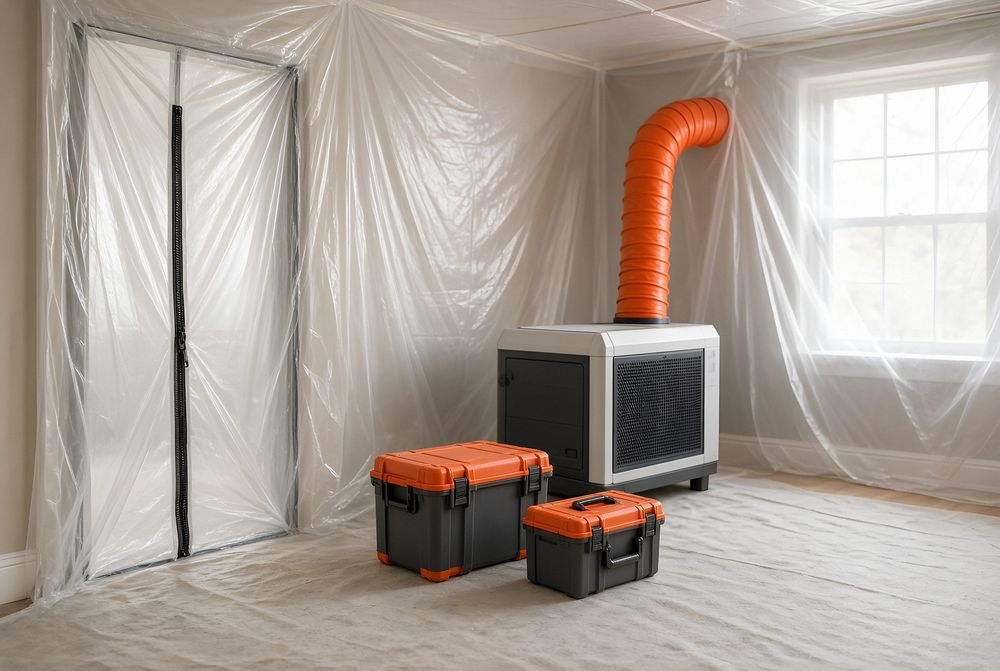
Methamphetamine contamination is invisible. Residue from smoking or making meth settles on walls, ceilings, carpets, furniture and ductwork, and it can remain for years after the people involved are gone. Because residue can't be seen, the only way to know is testing. But there are signs that should prompt you to test before buying, renting, moving in or doing renovation work.
Why this matters
Meth residue can transfer to skin and be ingested, especially by young children who crawl on floors and put hands in their mouths. Properties used to manufacture meth may also contain residues of solvents, acids and other chemicals used in the process. Several states, including Tennessee, Kentucky, Arkansas, West Virginia and North Carolina, regulate properties used to manufacture meth, and some keep public lists of known contaminated properties.
Signs in the property's history
- Law enforcement activity: a past drug raid, arrest or seizure at the address.
- State registry listing: some states publish lists of known meth lab properties; Tennessee's environment agency maintains a registry of meth-contaminated properties, and Arkansas keeps a public list as well.
- Tenant history: eviction for drug activity, or neighbors' reports of heavy traffic at odd hours.
- Price or terms that seem too good, especially for foreclosures or as-is sales.
Physical signs of manufacturing
Manufacturing leaves more obvious traces than smoking:
- Chemical odors described as ammonia-like, solvent-like or similar to cat urine, especially in a closed space
- Stains on walls, ceilings, floors, sinks or bathtubs, often yellow, brown or reddish
- Corroded or discolored metal fixtures, faucets and appliances
- Burn marks on floors, counters or in the yard
- Dead vegetation or burn pits outside
- Covered or blacked-out windows, extra locks, surveillance cameras
- Discarded supplies, such as large numbers of cold medicine packages, lithium batteries, camp fuel cans, drain cleaner bottles, tubing, stained coffee filters or plastic bottles with residue
If you find chemicals or equipment that look like an active or abandoned lab, leave immediately and call law enforcement. Don't touch or move anything; some chemicals and byproducts can be dangerous.
Physical signs of smoking
Meth smoking leaves fewer visible traces, which is why it is often missed:
- Glass pipes, often with a bulb at one end, sometimes broken pieces
- Burned foil or burn marks on surfaces
- Small plastic bags, cut straws or lighters in unusual numbers
- Yellowish film on walls in some cases, though this is easily confused with tobacco residue
- Heavy use of air fresheners to cover odor
Signs among occupants
People living in a contaminated property sometimes report persistent headaches, irritated eyes or skin, respiratory irritation or trouble sleeping, especially after moving in. These symptoms are not specific to meth and can have many causes, but they can be a reason to consider testing if other signs are present. Anyone with health concerns should talk with a healthcare provider.
Why visible signs aren't enough
Many contaminated properties show no visible signs at all. Previous owners may have repainted, replaced carpet or cleaned surfaces, and residue can remain in drywall, ductwork and fixtures. Conversely, some signs, such as stains or odors, have innocent explanations. Testing is the only reliable answer.
What to do if you suspect contamination
- Don't disturb the property if manufacturing is suspected; contact law enforcement.
- Check public records, including state registries where they exist, and ask the seller, landlord or agent about known history.
- Order testing by a qualified, independent professional before buying, renting, renovating or moving in.
- Follow state requirements if your state regulates meth lab properties.
- Keep children and pets out until results are known.
Testing basics
Testing usually involves wipe samples from surfaces analyzed by an accredited laboratory. Screening tests can indicate whether residue is present; more detailed sampling determines the extent and whether cleanup is needed. See our guide on how meth testing works.
Questions to ask before buying or renting
- Has the property ever been the subject of a drug raid, seizure or quarantine?
- Is it on any state registry of contaminated properties?
- Why were previous tenants evicted, if they were?
- Has the property been tested for drug residue, and can I see the results?
- What work was done before listing, such as new paint or flooring, and why?
Honest answers to these questions, combined with testing where there's doubt, protect you from inheriting a contamination problem.
Frequently asked questions
Can I smell meth residue from smoking?
Usually not. Residue from smoking typically has no lasting odor.
Does repainting remove meth?
No. Paint can cover residue but doesn't remove it, and residue can still be detected and transferred.
Should I test a rental before moving in?
If there are signs or the history is unknown, especially with young children, testing is reasonable. Ask the landlord about the property's history.
Are home test kits reliable?
Some screening kits can indicate the presence of residue, but they don't replace laboratory analysis by a qualified professional.
Key takeaways
Meth residue is invisible, so signs only tell you when to test. Manufacturing leaves chemical odors, stains, corrosion and discarded supplies; smoking leaves fewer clues. Check property history and state registries, never disturb a suspected lab, and rely on professional testing before buying, renting or renovating.
Sources
- EPA: Voluntary Guidelines for Methamphetamine and Fentanyl Laboratory Cleanup
- DEA: Environmental Management Programs
- Tennessee Department of Environment and Conservation: Meth Lab Cleanup
- Kentucky Energy and Environment Cabinet: Methamphetamine Lab Cleanup
- Arkansas DEQ: Clandestine Lab Remediation
- West Virginia: Clandestine Drug Lab Remediation
- North Carolina DHHS: Methamphetamine
This guide is general information. It is not legal, medical, environmental or safety advice. Rules vary by state and locality. For a specific situation, consult the relevant agency or a qualified professional.