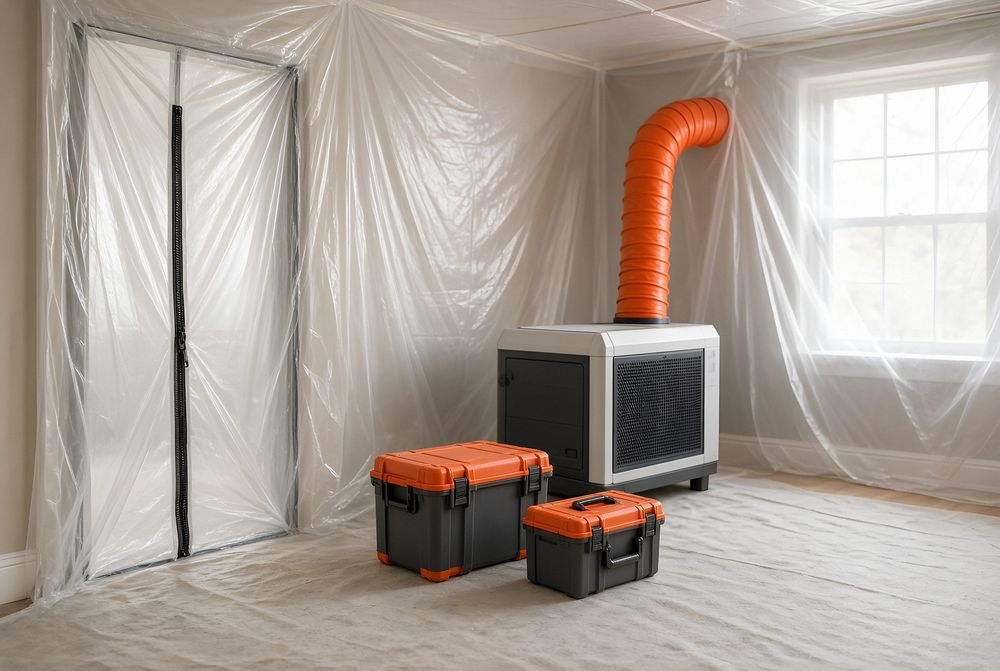
Hotels and motels regularly face drug use, overdoses and sometimes drug manufacturing in guest rooms. The consequences range from guest complaints to staff exposure, liability and lost room revenue. A clear plan protects staff and guests and gets rooms back in service safely. This guide covers the essentials for operators.
The risks
- Meth residue from smoking, which spreads across surfaces, fabrics and HVAC units
- Fentanyl and other opioid residue, often concentrated where drugs were handled
- Needles and paraphernalia hidden in rooms
- Overdose scenes, sometimes with biological contamination
- Manufacturing, rare but serious, with chemical hazards and state requirements in some places
Protecting housekeeping and maintenance staff
Housekeepers are the most likely to encounter drugs and paraphernalia. Provide:
- Training on recognizing drugs, paraphernalia and signs of manufacturing
- A no-touch policy: don't handle suspected drugs or paraphernalia; leave the room and notify a supervisor
- Gloves and sharps containers, with clear procedures
- Hand washing with soap and water after any potential contact
- Naloxone availability and training, consistent with local guidance
- Procedures for overdose emergencies: call 911
Recognizing a contaminated room
Signs include paraphernalia such as pipes, foil, syringes and small bags, burn marks, chemical odors, tampered smoke detectors, blocked vents, heavy use of air freshener, and unusual stains. Guest complaints of headaches or odors after check-in can also be a signal.
Response steps
- Take the room out of service immediately.
- Notify management and, for significant quantities or suspected manufacturing, law enforcement.
- Don't let staff clean suspected drug residue or paraphernalia.
- Arrange professional assessment, which may include wipe sampling for meth, fentanyl or other drugs.
- Remediate according to results.
- Clearance test before returning the room to inventory.
- Document each step.
What remediation includes
- Removal of paraphernalia and sharps
- Removal or replacement of contaminated soft goods such as mattresses, bedding, drapes, upholstered furniture and, if needed, carpet
- Detergent washing of walls, ceilings, furniture, fixtures and bathroom surfaces
- Cleaning or replacement of the room's HVAC unit and filters
- Treatment of adjoining rooms if contamination spread
- Clearance sampling
State rules
In states that regulate meth labs, a hotel room used for manufacturing may be subject to state notification and decontamination requirements. Tennessee, Kentucky, Arkansas, West Virginia and North Carolina have such programs. Follow the state's process.
Returning rooms to service
Rooms should return to inventory only after cleanup and, where testing was done, clearance results meet the applicable standard. Keep results on file in case of later guest complaints.
Brand standards and insurance
Brands may have specific procedures and vendors. Insurance coverage for drug contamination varies, and some policies exclude it. Review coverage and vendor agreements before an incident.
Guest communication
Handle guest complaints promptly and respectfully. Offer room changes, take reports seriously and document them. Avoid speculation about other guests.
Preventing repeat problems
Some properties see repeated drug activity in certain rooms or with certain guests. Practical measures include consistent ID and registration practices, attention to unusual room requests and traffic, working relationships with local police, staff reporting procedures, and regular inspection of HVAC units and smoke detectors for tampering. Sharps containers in public restrooms reduce needles discarded elsewhere.
Budgeting for remediation
Professional assessment, replacement furnishings, cleanup and clearance testing for a single room can be significant, and lost room nights add to the cost. Having pre-arranged vendor relationships, and including drug contamination in emergency procedures, shortens downtime. Track incidents and costs to inform security and staffing decisions.
Record keeping
For each incident, keep the date, room, what was found, who was notified, the assessment and test results, the remediation scope and the clearance results. Good records support insurance claims, brand audits and responses to guest complaints.
Frequently asked questions
Should every room be tested after a guest is arrested for drugs?
Testing is wise when there's evidence of use, storage or manufacturing in the room.
Can housekeeping deep-clean instead?
Housekeeping cleaning doesn't reliably remove drug residue, and staff shouldn't be exposed. Use professionals for confirmed or suspected contamination.
How long is a room out of service?
Often several days, including lab turnaround for testing and replacement of furnishings.
Do we need to tell future guests?
Disclosure rules for hotels vary; consult counsel. Clearance documentation is your best assurance.
What about adjoining rooms?
Smoke and residue can travel through shared ventilation. Test or inspect adjoining rooms if there's reason for concern.
Should we replace mattresses after drug use in a room?
If testing shows contamination or there was heavy use, replacing mattresses and soft goods is often more practical than cleaning them.
Can we use our own testing kits?
Screening kits can help triage, but laboratory testing provides defensible results.
Who should our staff call first?
For an overdose, 911. For drugs found in a vacated room, a manager, who then contacts law enforcement and your remediation vendor as appropriate.
Key takeaways
Protect staff with training, a no-touch policy and gloves. Remove suspect rooms from service, involve law enforcement for significant quantities, use professional assessment and remediation, and return rooms only after clearance. Follow state rules for manufacturing and keep documentation.
Sources
- CDC/NIOSH: Fentanyl, Emergency Responders at Risk
- EPA: Voluntary Guidelines for Methamphetamine and Fentanyl Laboratory Cleanup
- OSHA: Bloodborne Pathogens and Needlestick Prevention
- Tennessee Department of Environment and Conservation: Meth Lab Cleanup
This guide is general information. It is not legal, medical, environmental or safety advice. Rules vary by state and locality. For a specific situation, consult the relevant agency or a qualified professional.