Stories of people becoming ill after touching fentanyl have spread widely, and many property owners, landlords and cleaners now worry that any residue could cause an overdose. The real picture is more specific: certain exposures are dangerous, others are much less so. This guide summarizes what official guidance for workers says, so you can take sensible precautions without unnecessary panic. It isn't medical advice.
What makes fentanyl dangerous
Fentanyl is a potent synthetic opioid. Small amounts taken into the body, for example by inhaling or swallowing powder, can cause life-threatening respiratory depression. Illicitly made fentanyl is often mixed with other drugs, and people may not know what they're handling.
Exposure routes in official guidance
The CDC's National Institute for Occupational Safety and Health (NIOSH) publishes guidance for emergency responders who may encounter fentanyl and other illicit drugs. In its guidance, NIOSH identifies the routes of greatest concern as:
- Inhalation of airborne powder
- Mucous membrane contact, such as powder reaching the eyes, nose or mouth
- Ingestion
- Percutaneous exposure, such as a needlestick
NIOSH notes that skin contact is a potential exposure route but is not likely to lead to overdose unless large volumes of highly concentrated powder are encountered over an extended period, and that brief skin contact is not expected to lead to toxic effects if visible contamination is promptly removed. NIOSH also notes that there are no established federal or consensus occupational exposure limits for fentanyl.
What this means in a home or business
For most property situations, such as residue where drugs were used, paraphernalia, or traces of powder:
- The main risks come from making powder airborne, touching your face with contaminated hands, swallowing residue, or being stuck by a needle.
- Brief skin contact with small amounts is not expected to cause overdose, especially if washed off promptly with soap and water.
- Large quantities of powder, pill pressing operations or distribution sites carry higher risks and are a matter for law enforcement and hazmat professionals.
Practical precautions
- Don't touch suspected drugs or paraphernalia with bare hands.
- Wear gloves, such as nitrile, when there's any chance of contact.
- Don't create dust. Avoid sweeping, vacuuming, shaking fabrics or using compressed air.
- Don't touch your face, eat, drink or smoke in the area.
- Wash hands with soap and water after potential contact. NIOSH advises against hand sanitizer or bleach on skin, which may not remove the drug and could increase absorption.
- Keep children and pets away; children are much more vulnerable to ingestion.
- Call law enforcement for significant quantities or suspected manufacturing or distribution.
Recognizing an overdose
Signs of opioid overdose include unresponsiveness, slow or stopped breathing, blue or gray lips and fingertips, and very small pupils. Call 911 and give naloxone if available. Naloxone can reverse opioid overdoses and is available in many pharmacies.
What about symptoms people report?
People who believe they were exposed sometimes report dizziness, rapid heartbeat or feeling faint. These symptoms can have many causes, including anxiety and stress, which are understandable in frightening situations. Anyone with concerning symptoms should get medical evaluation, and anyone with signs of overdose needs emergency care.
For workers and employers
Employers whose workers may encounter illicit drugs, such as property managers, maintenance staff, hotel housekeepers and cleaning crews, should provide training, gloves and clear procedures: don't handle suspected drugs, report them, and leave cleanup to trained personnel. Professional remediation crews use protective equipment selected for the expected exposure, which may include respiratory protection for situations where powder could become airborne.
Cleanup of residue
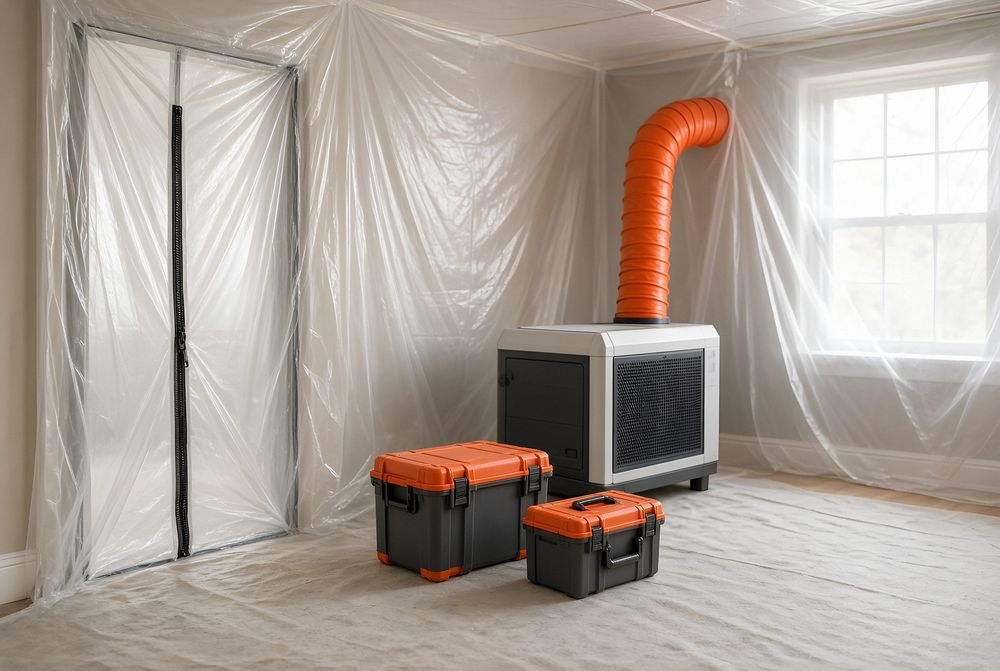
Professional cleanup uses wet methods to avoid airborne powder, removes contaminated porous items where drugs were handled, washes surfaces with detergent and water, evaluates HVAC components, and may include sampling to confirm results.
Balancing caution and calm
Fear can lead to two kinds of mistakes: panicking over harmless situations, or, in reaction to that, ignoring real hazards. The sensible middle ground is to treat suspected drugs with consistent precautions, keep dust down, wash with soap and water, protect children, and hand cleanup to people trained for it.
Frequently asked questions
Can I overdose by touching a surface where someone used fentanyl?
Based on NIOSH's guidance, overdose from brief skin contact with small amounts of residue is not expected, particularly if washed off promptly. Avoid touching your face and wash with soap and water.
Is it dangerous to be in a room where fentanyl was smoked?
Residual risk is mainly from surface contact and ingestion, not from air hours or days later. Professional cleaning addresses surface residue.
Should I wear a mask?
If cleanup could make powder airborne, respiratory protection matters. Leave such work to trained professionals.
What if my child touched something?
Watch for signs of overdose and call 911 or Poison Control right away if you're concerned.
Does fentanyl break down quickly?
Don't assume it does. Treat suspected residue with care until it has been professionally cleaned.
Key takeaways
Official guidance identifies inhalation, mucous membrane contact, ingestion and needlesticks as the main fentanyl exposure routes. Brief skin contact with small amounts isn't expected to cause overdose if washed off promptly. Avoid creating dust, wear gloves, wash with soap and water, keep children away, carry naloxone where appropriate, and leave significant quantities and cleanup to professionals.
Sources
- CDC/NIOSH: Fentanyl, Emergency Responders at Risk
- EPA: Voluntary Guidelines for Methamphetamine and Fentanyl Laboratory Cleanup
This guide is general information. It is not legal, medical, environmental or safety advice. Rules vary by state and locality. For a specific situation, consult the relevant agency or a qualified professional.