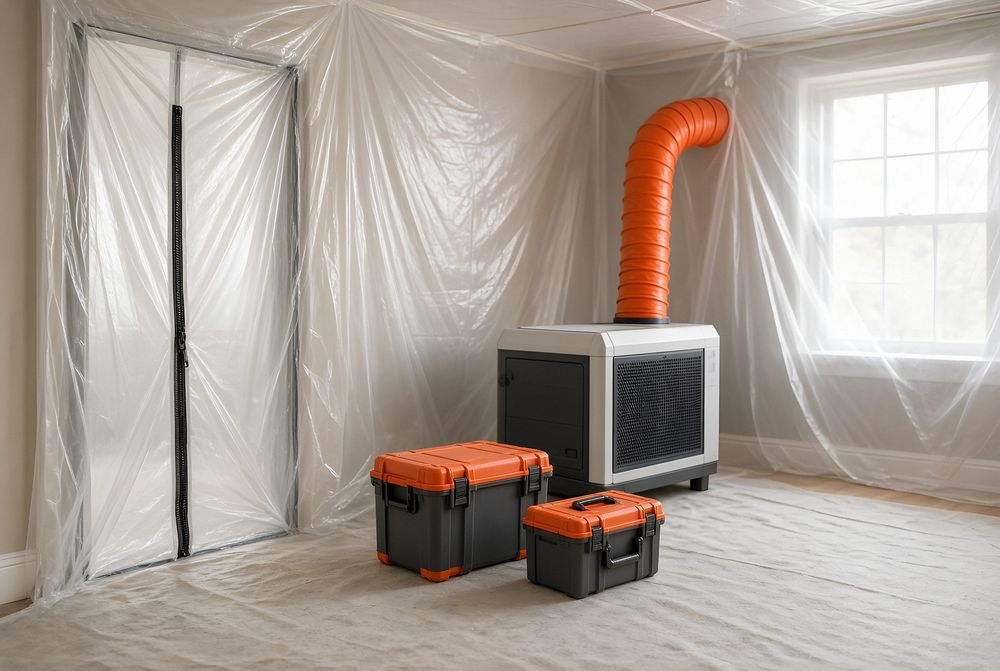
Drug use and manufacturing in rental units can leave residue that affects future tenants, especially families with young children. Landlords face practical, financial and legal questions: how to spot problems, whether to test, how to clean and what to tell future tenants. This guide covers the essentials. Laws vary by state, so consult your attorney on specific obligations.
Why it matters to landlords
- Habitability. Landlords generally must provide units fit to live in. Significant contamination can raise habitability concerns.
- State meth lab laws. Tennessee, Kentucky, Arkansas, West Virginia and North Carolina regulate properties used to manufacture meth, including requirements for decontamination by certified or authorized professionals before reoccupancy.
- Liability. Renting a contaminated unit can expose landlords to claims from tenants.
- Disclosure. Some states require disclosure of known meth lab history to tenants.
Warning signs during tenancy
- Complaints from neighbors about odors, traffic or activity
- Blacked-out windows, extra locks or surveillance equipment
- Chemical odors or unusual stains during inspections
- Paraphernalia observed during maintenance
- Damage to smoke detectors or ventilation
- Law enforcement activity at the unit
Inspections and leases
- Include drug-free and no-smoking clauses in leases.
- Conduct periodic inspections with proper notice under state law.
- Train maintenance staff to recognize signs and to avoid touching suspected drugs or paraphernalia.
- Document conditions with photos at move-in and move-out.
When a unit turns over after suspected drug activity
- Don't let staff clean visible drug residue or paraphernalia without proper procedures and protection.
- Remove sharps and paraphernalia safely, or have professionals do it.
- Test the unit with wipe sampling by a qualified professional using an accredited laboratory.
- If results exceed the applicable standard, arrange professional cleanup.
- Follow state procedures if the unit was used for manufacturing in a regulated state.
- Clearance test after cleanup and keep the results.
What cleanup typically includes
- Removal of carpet, pad and contaminated soft furnishings
- Detergent washing of walls, ceilings, floors, cabinets and fixtures, often multiple times
- HVAC cleaning or replacement of contaminated components, including filters
- Cleaning of appliances or replacement if needed
- Encapsulation of cleaned surfaces where appropriate
- Clearance sampling
Costs and recovery
Testing and cleanup costs depend on the unit size and contamination. Landlords may be able to recover some costs through the security deposit or claims against the former tenant, subject to state law. Landlord insurance policies vary on coverage for drug contamination; many exclude damage from illegal activity or manufacturing, so review your policy.
Communicating with new tenants
Where state law requires disclosure of meth lab history, follow it. Where it doesn't, honest answers to direct questions and documentation of testing and cleanup build trust. Providing clearance results can reassure tenants, especially families.
Fair housing considerations
Drug addiction can be a disability under fair housing law when a person is in recovery and not currently using illegal drugs. Current illegal drug use is not protected. Apply screening and lease enforcement policies consistently and consult counsel on specific situations.
Building a standard procedure
- Lease clauses on drugs and smoking
- Inspection schedule
- Staff training and a no-touch policy for drugs and paraphernalia
- Relationships with testing professionals and cleanup contractors
- Turnover checklist that includes testing when warning signs exist
- Documentation storage
Coordinating with law enforcement
If police were involved in a unit, ask whether the case involved manufacturing, storage or use, and whether the state or a health department was notified. In regulated states, law enforcement or the state may notify the owner and impose occupancy restrictions after a lab seizure. Keep copies of any notices, because they determine which procedures you must follow before re-renting.
Turnover timing
Testing and cleanup add time to a turnover. Laboratory results typically take several days, cleanup may take several more, and clearance sampling adds another round of results. Factor this into vacancy planning so you aren't tempted to skip steps.
Frequently asked questions
Do I have to test every unit?
No universal requirement exists. Test when there are warning signs, known drug activity or a lab history, or when tenants ask with reasonable concern.
Can maintenance staff clean drug residue?
They can do general cleaning, but residue cleanup, paraphernalia removal and lab sites should be handled by trained professionals.
Does repainting solve the problem?
No. Painting over residue doesn't remove it. Clean first, then test.
What if a tenant tells me the unit made them sick?
Take the concern seriously, consider testing, and consult counsel. Encourage them to see a healthcare provider.
Can I evict for drug activity?
Many leases and state laws allow it, with required procedures. Consult your attorney.
Key takeaways
Watch for warning signs, use lease clauses and inspections, and keep staff from handling drugs or paraphernalia. Test units after suspected drug activity, follow state procedures for former labs, and use professional cleanup with clearance testing. Keep documentation for tenants, disputes and future sales.
Sources
- EPA: Voluntary Guidelines for Methamphetamine and Fentanyl Laboratory Cleanup
- Tennessee Department of Environment and Conservation: Meth Lab Cleanup
- Kentucky Energy and Environment Cabinet: Methamphetamine Lab Cleanup
- Arkansas DEQ: Clandestine Lab Remediation
- West Virginia: Clandestine Drug Lab Remediation
- North Carolina DHHS: Methamphetamine
- HUD and DOJ: Joint Statement on Reasonable Accommodations Under the Fair Housing Act
This guide is general information. It is not legal, medical, environmental or safety advice. Rules vary by state and locality. For a specific situation, consult the relevant agency or a qualified professional.