The landlord's dilemma
You suspect a tenant used or made drugs in a unit. Maybe neighbors complained, maintenance found paraphernalia, police visited, or the unit came back with telltale staining and odor. You need to know whether the unit is safe to re-lease, what your obligations are, and how to keep the vacancy short.
A practical sequence
- Secure and document. Change locks once you lawfully have possession, photograph conditions, and keep the unit vacant.
- Check for agency involvement. If law enforcement or a state agency has posted or quarantined the unit, that process controls. Tennessee, Kentucky, Arkansas and West Virginia have formal programs.
- Test. Wipe sampling by a qualified sampler shows whether residue exceeds the applicable standard, and where.
- Scope to results. If levels are low or limited to certain rooms, the scope reflects that. Not every positive test means a full gut job.
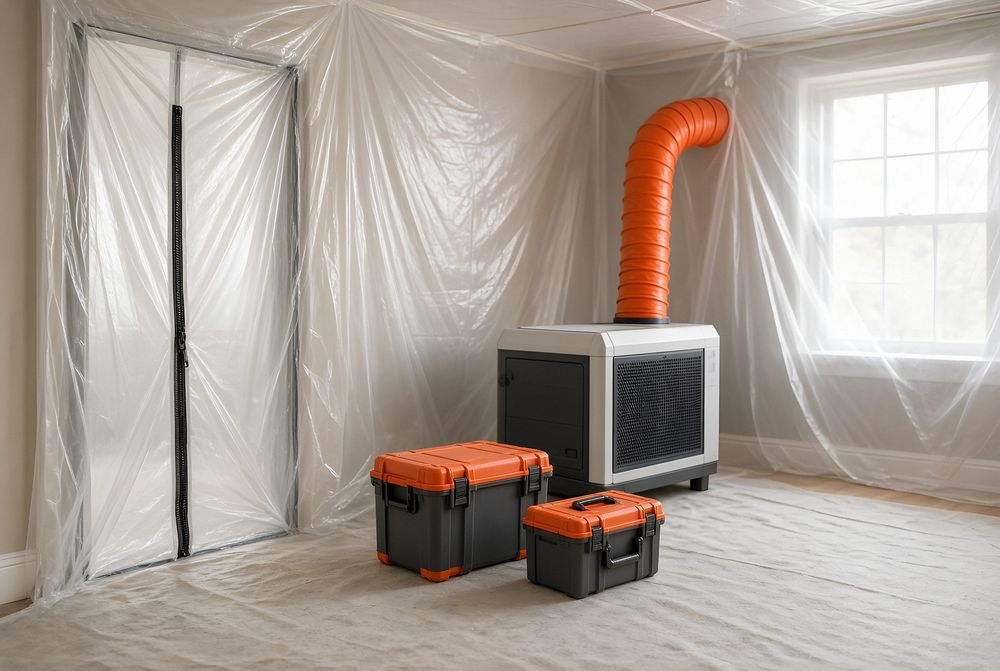
- Remediate. Removal of affected porous materials, washing of surfaces, HVAC decontamination and encapsulation where appropriate.
- Clear. Post-remediation sampling documents the result.
- Turn over. The unit goes back to your regular make-ready vendors with documentation in your file.
Why documentation matters for landlords
Your records show you acted responsibly if a future tenant raises health concerns, support security-deposit claims against the responsible tenant, back up insurance claims, and help with disclosure decisions. Disclosure rules vary by state, so consult your attorney.
Multi-unit buildings
Residue can move between units through shared ventilation, and neighboring tenants may raise concerns. We can advise when testing adjacent units or common HVAC is prudent.
Portfolio programs
For managers with many units, we can set up a standing protocol covering when to test, authorization limits, documentation format and vendor handoff, so suspected cases are handled consistently.
Common questions
Can I charge the cleanup to the former tenant?
Possibly, through the security deposit or a claim, depending on your lease and state law. Our documentation supports that process. Your attorney can advise.
How long will the unit be offline?
It depends on results and scope. Testing and lab turnaround typically take days, and remediation can range from a few days to longer for heavy contamination. We'll give you a realistic timeline once results are in.