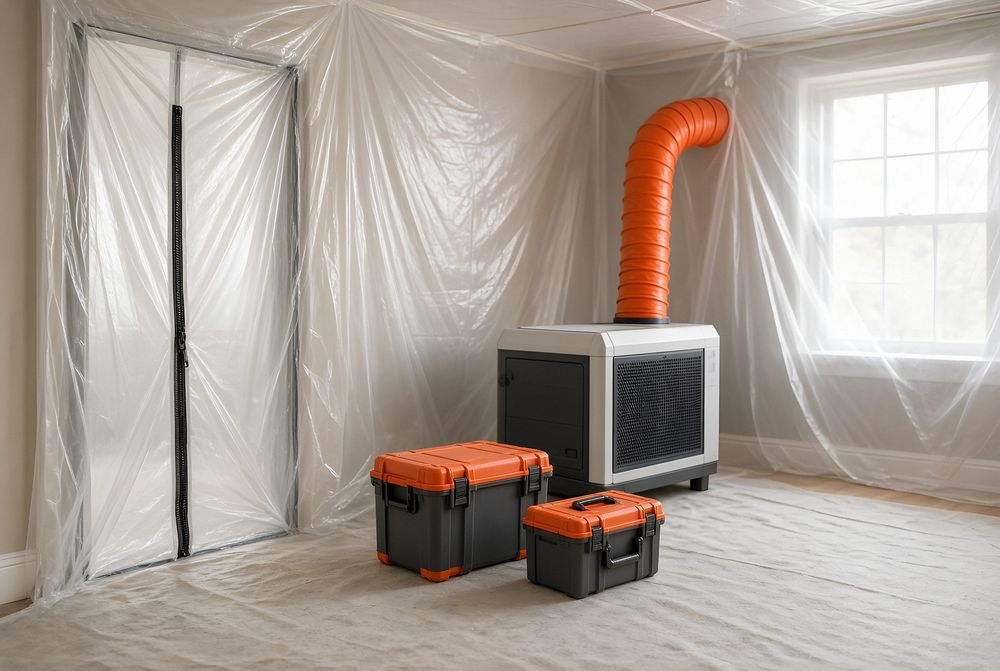
Fentanyl and related synthetic opioids are now involved in many overdose deaths, and they are sometimes found in homes, apartments, hotel rooms and vehicles after use, overdoses or drug activity. Property owners, landlords and families reasonably want to know whether residue is dangerous and how it's cleaned. This guide explains the basics.
What fentanyl is
Fentanyl is a synthetic opioid used medically for severe pain. Illicitly manufactured fentanyl is often found as powder, pressed into counterfeit pills, or mixed into other drugs. It is potent, which is why small amounts can cause overdose when taken into the body.
How contamination happens in homes
Fentanyl contamination usually comes from:
- Drug use, including smoking, snorting and handling powder or pills
- Drug storage, cutting or packaging, which can scatter powder
- Pill pressing operations, which can create significant contamination
- Overdose scenes, where drugs and paraphernalia may be present
Unlike meth smoking, which leaves residue throughout a space, fentanyl contamination is often concentrated where drugs were handled or used, though powder can spread.
Exposure routes
Guidance from the CDC's National Institute for Occupational Safety and Health (NIOSH) for emergency responders identifies inhalation of airborne powder, mucous membrane contact, ingestion and needlesticks as the routes of greatest concern. NIOSH notes that skin contact is also possible but is not likely to lead to overdose unless large amounts of concentrated powder are involved over an extended time, and that brief skin contact is not expected to cause toxic effects if visible contamination is promptly removed. See our guide on fentanyl residue and health for more.
Safety first
If you find powder, pills or drug paraphernalia:
- Don't touch, sniff or taste anything.
- Keep children and pets away.
- Don't sweep, vacuum or use compressed air, which can make powder airborne.
- Leave the area and call law enforcement if you find significant quantities or evidence of a pill press or distribution operation.
- Wash hands with soap and water if you might have touched something. NIOSH advises against using hand sanitizer or bleach on skin.
If someone shows signs of overdose, such as unresponsiveness, slow or stopped breathing or pinpoint pupils, call 911 and administer naloxone if available.
Assessment
A professional assessment identifies where drugs were used or handled, visible residue, paraphernalia, and whether sampling is needed. Laboratories can analyze wipe samples for fentanyl and related compounds when requested.
How cleanup is done
Fentanyl cleanup emphasizes methods that keep residue from becoming airborne:
- Protective equipment selected for the expected exposure, which may include respiratory protection, gloves and disposable coveralls.
- Removal of visible powder and paraphernalia using wet methods and careful collection.
- Removal of contaminated porous items, such as carpet, upholstery and mattresses where powder was handled.
- Washing hard surfaces with detergent and water, using a wet-wipe method rather than dry dusting.
- HVAC evaluation, since powder can reach returns and filters.
- Proper disposal of drugs, paraphernalia and contaminated waste, coordinated with law enforcement where appropriate.
- Sampling, if needed, to confirm results.
The EPA's voluntary guidelines for methamphetamine and fentanyl laboratory cleanup provide a reference for cleanup methods.
Landlords and hotels
Units used for heavy drug use, storage or pill pressing may need professional assessment and cleanup before re-renting. Keep documentation in case of later questions. Train staff to recognize hazards and not to handle suspected drugs.
Families after an overdose death
After an overdose death at home, the cleanup may involve biological contamination from the death as well as drug residue and paraphernalia. Professionals address both. Families shouldn't handle drugs or paraphernalia; let law enforcement and professionals do so.
How fentanyl differs from meth contamination
Meth smoking deposits residue across a whole space, so cleanup often treats every room. Fentanyl contamination is more often localized where powder or pills were handled, though smoking fentanyl can also spread residue. Assessment focuses on finding those handling areas, and sampling can confirm whether residue extends beyond them. Many properties involve both drugs, so testing panels may include both.
Documentation
Keep records of the assessment, cleanup scope, sampling results and disposal. Landlords and sellers may need them later, and they help reassure future occupants.
Frequently asked questions
Is fentanyl residue in a home likely to cause an overdose?
Overdose from incidental contact with small amounts of residue is considered unlikely based on NIOSH's guidance; the greatest concerns are inhaling airborne powder, ingestion and needlesticks. Take precautions and let professionals clean.
Can testing detect fentanyl?
Yes. Laboratories can analyze wipe samples for fentanyl and related compounds when requested.
Does bleach destroy fentanyl?
Don't rely on household chemicals. Professionals use detergent washing and controlled removal.
Should I keep naloxone at home?
Many health departments recommend it for households where opioids are present.
Who removes drugs found in a home?
Contact law enforcement about significant quantities.
Key takeaways
Fentanyl contamination is often concentrated where drugs were used or handled. Don't touch, sweep or vacuum suspected powder; keep people away and contact law enforcement for significant quantities. Professional cleanup uses wet methods, removal of contaminated porous items, detergent washing and proper disposal, with sampling when needed.
Sources
- CDC/NIOSH: Fentanyl, Emergency Responders at Risk
- EPA: Voluntary Guidelines for Methamphetamine and Fentanyl Laboratory Cleanup
- DEA: Environmental Management Programs
This guide is general information. It is not legal, medical, environmental or safety advice. Rules vary by state and locality. For a specific situation, consult the relevant agency or a qualified professional.