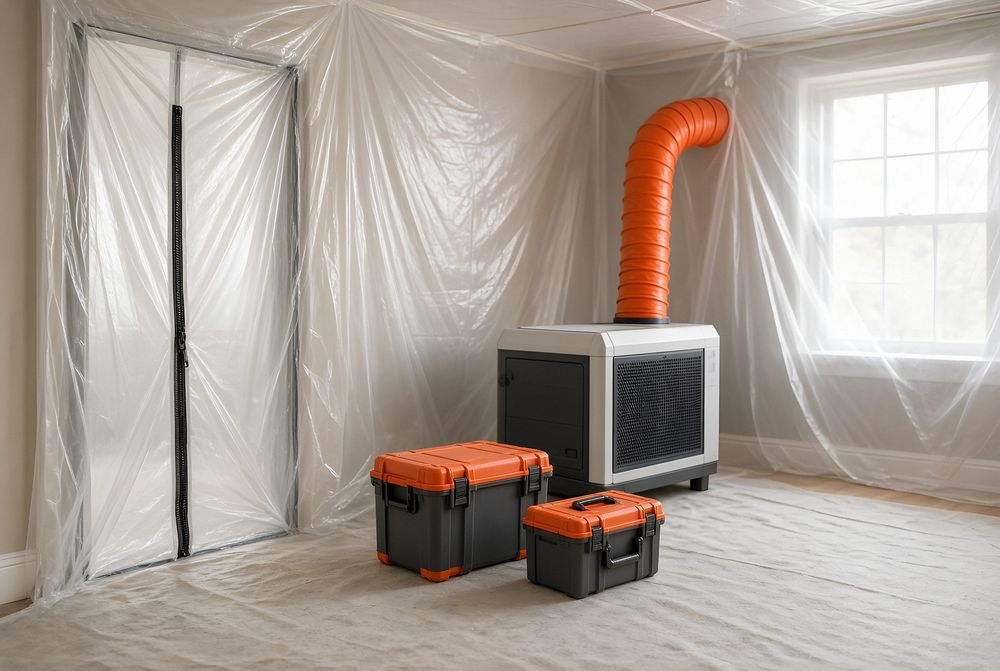
In methamphetamine cleanup, the heating, ventilation and air conditioning (HVAC) system is often the most difficult and expensive part. Air systems pull contaminated air through filters, coils and ducts, depositing residue throughout. If the system isn't addressed, it can recontaminate a building that has otherwise been cleaned. This guide explains why and how HVAC systems are handled.
How residue gets into the system
When meth is smoked or cooked, vapor and particles spread through the air. Forced-air systems pull that air through return grilles into the return ducts, filter, blower, coil and supply ducts, then push it back into rooms. Over time, residue coats internal surfaces. In homes used as labs, chemical vapors can also corrode metal components.
Components that can be affected
- Filters, which trap contaminated particles
- Return grilles and ducts
- The air handler or furnace cabinet, blower and motor
- The evaporator coil and drain pan
- Supply ducts and registers
- Duct insulation, duct board and flexible duct, which are porous
- Window units, mini-splits and portable units
Assessment
Testing typically includes wipe samples from return and supply registers, accessible duct interiors and the air handler. Results show whether the system is contaminated and how extensively. Visual inspection and camera inspection help identify duct types and conditions.
Cleaning versus replacement
Rigid metal ducts can usually be cleaned using negative-air collection equipment with agitation tools, followed by washing where accessible, and verified by sampling.
Flexible duct, duct board and internally lined ducts are porous and difficult to clean effectively. They are often replaced when contaminated.
Air handlers and furnaces can often be cleaned, including the cabinet, blower and coil. Heavily contaminated or corroded equipment may be replaced, especially in former labs.
Filters are always replaced, often more than once during the project.
The decision depends on contamination levels, materials, accessibility, equipment age and any state requirements.
Sequence matters
HVAC work is coordinated with the rest of the cleanup:
- Seal registers and shut down the system at the start to prevent spreading residue during cleanup.
- Clean or replace duct components and the air handler.
- Clean rooms, taking care not to recontaminate cleaned ducts.
- Install new filters and restart the system only after cleaning is complete.
- Clearance sample registers and duct interiors along with room surfaces.
Coordination with HVAC contractors
Licensed HVAC contractors handle mechanical work, equipment replacement and duct installation. Remediation contractors coordinate with them so the system meets both cleanliness and performance needs.
State requirements
States that regulate meth lab cleanup may have specific requirements or expectations for HVAC systems. Tennessee requires decontamination by authorized contractors for quarantined properties, and other regulated states require certified contractors. Follow the state's process and include HVAC results in the final report.
Costs
HVAC work can be a significant share of meth cleanup costs, especially when ducts or equipment are replaced. Getting the HVAC assessment early helps produce a realistic estimate.
Smoking-only contamination
Contamination from smoking can also reach HVAC systems. Even where state rules don't apply, cleaning or replacing contaminated components and testing are important to avoid recontamination.
A typical scenario
In a three-bedroom house where meth was smoked for a year, sampling finds residue in every room and at most registers. The return trunk and main supply trunk are rigid metal and can be cleaned. Branch runs to bedrooms are flexible duct and are replaced. The furnace cabinet and blower are cleaned, the coil is cleaned by an HVAC contractor, and new filters are installed. Registers are cleaned or replaced. Clearance samples from registers and the cleaned trunks come back below the standard used, and the system is restarted.
Common mistakes
- Running the system during cleanup, spreading residue into cleaned rooms
- Replacing the furnace but leaving contaminated ducts
- Skipping registers and grilles, which are easy to sample and often high
- Restarting the system before installing new filters
Frequently asked questions
Can I just change the filter?
Changing the filter helps but doesn't remove residue from ducts and equipment.
Can ducts be sealed instead of cleaned?
Encapsulation is sometimes used after cleaning, but sealing over contamination without cleaning isn't an accepted substitute.
Do we have to replace the whole system?
Not always. Rigid ducts and equipment can often be cleaned. Porous ducts and corroded equipment are more likely to need replacement.
What about homes without forced air?
Contamination is limited to rooms and surfaces, without duct cleaning, though fans and window units should be addressed.
How do we know the HVAC system is clean?
Clearance samples from registers and accessible duct surfaces, compared with the applicable standard.
Does a new HVAC system need testing too?
New equipment connected to cleaned or new ducts generally doesn't need separate testing, but registers and accessible duct surfaces are typically included in clearance.
Key takeaways
HVAC systems distribute meth residue throughout a building and can recontaminate cleaned rooms. Shut down and seal the system early, clean rigid ducts and equipment, replace porous ducts and badly contaminated components, install new filters only after cleanup, and include HVAC surfaces in clearance sampling.
Sources
- EPA: Voluntary Guidelines for Methamphetamine and Fentanyl Laboratory Cleanup
- Tennessee Department of Environment and Conservation: Meth Lab Cleanup
- Kentucky Energy and Environment Cabinet: Methamphetamine Lab Cleanup
- Arkansas DEQ: Clandestine Lab Remediation
This guide is general information. It is not legal, medical, environmental or safety advice. Rules vary by state and locality. For a specific situation, consult the relevant agency or a qualified professional.