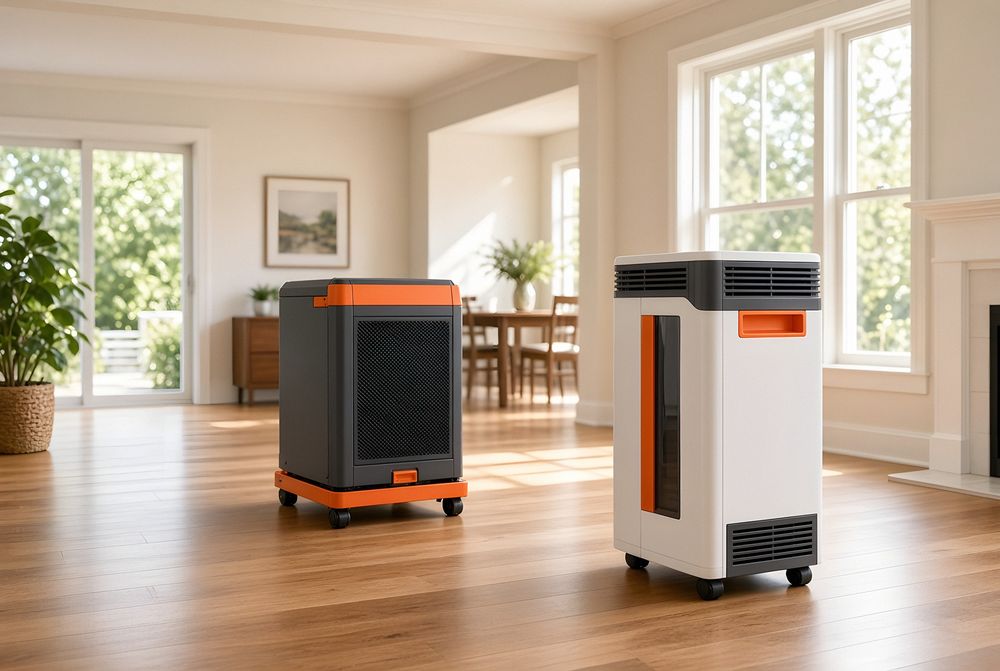
Not all problem odors come from biological sources. Chemical odors can linger for weeks after a spill, a fire, a fire suppression discharge, drug manufacturing or even a cleaning mistake. Some are merely unpleasant; others signal residues that need careful removal. This guide explains common sources and how they're handled.
Common sources of chemical odors
- Spills of solvents, fuels, paints, adhesives, pesticides or pool chemicals
- Fire and smoke, including burned plastics and synthetic materials
- Fire suppression discharges, such as dry chemical powder or wet chemical agents in kitchens
- Drug manufacturing, which can leave solvent and chemical residues
- Mixing cleaning products, such as bleach with ammonia or acids, which releases irritating gases
- New materials such as flooring, adhesives or furniture that off-gas
- Mold and moisture, which produce musty odors (biological in origin but often described as chemical)
- Natural gas or propane leaks, which have an added odorant that smells like rotten eggs
Safety first
If a chemical odor is strong, unfamiliar, or accompanied by symptoms such as headache, dizziness, nausea, eye or throat irritation, or difficulty breathing:
- Leave the area and get fresh air.
- Call 911 for symptoms or a suspected hazardous release.
- If you suspect a gas leak, leave immediately, don't operate switches or create sparks, and call the gas utility from outside.
- Don't try to identify chemicals by smell or by handling containers.
Identifying the source
Once safe, identifying the source guides cleanup:
- Safety data sheets (SDS) for products used or spilled describe hazards and cleanup methods.
- History: what happened, when and where.
- Visual inspection for residues, stains, containers and damage.
- Air or surface testing by an industrial hygienist or environmental professional for unknown or concerning odors.
How chemical residues are removed
Methods depend on the chemical and surfaces:
- Ventilation to reduce airborne concentrations
- Removal of contaminated porous materials, such as carpet, pad and drywall that absorbed liquids
- Surface cleaning with detergents, degreasers or neutralizers appropriate to the chemical
- HVAC cleaning where residues or odors entered the system
- Sealing of cleaned surfaces in some cases
- Air treatment after source removal, chosen carefully to avoid reactions with chemicals
Hazardous chemicals and contaminated waste must be handled and disposed of properly, which may involve trained hazardous materials crews and licensed disposal.
Fire suppression discharges
Dry chemical extinguishers and systems spread fine powder that can irritate eyes and lungs and corrode metals and electronics over time. Prompt cleanup with HEPA vacuuming and appropriate cleaning protects equipment. Kitchen wet chemical systems leave residue that must be removed before cooking resumes.
Off-gassing from new materials
New flooring, furniture, paint and adhesives can release odors that fade over time with ventilation. Persistent or strong odors, or symptoms, warrant contacting the manufacturer or installer.
A practical example
A garage fire is put out quickly, but the house smells of burned plastic. Cleanup removes soot from walls and ceilings in the affected areas, cleans the HVAC system, removes the garage drywall and insulation, cleans contents, and uses air treatment after cleaning. The odor resolves after ventilation and a final walkthrough.
Common mistakes
- Masking chemical odors with fragrance
- Using ozone without considering reactions with chemical residues
- Handling unknown containers
- Leaving saturated porous materials in place
Mixed cleaning products
One of the most common household chemical incidents is mixing cleaners. Bleach combined with ammonia-based cleaners can release chloramine vapors; bleach mixed with acids, such as some toilet bowl cleaners, can release chlorine gas. If this happens, leave the area, ventilate from outside if you can do so safely, and call Poison Control or 911 if anyone has symptoms. Don't try to neutralize the mixture with more products.
Workers and employers
Employers whose staff clean up chemical spills must provide hazard information, training and protective equipment under OSHA standards. Larger releases may require crews trained for hazardous materials operations. When in doubt, bring in professionals.
Frequently asked questions
How long do chemical odors last?
It depends on the chemical, the amount and the surfaces. Odors from absorbed liquids last until materials are removed or cleaned.
Is a chemical odor dangerous?
Some are irritants or toxic at certain levels. Leave and seek help if you have symptoms or the odor is strong.
Can air purifiers help?
Filters with activated carbon may reduce some odors, but source removal is still needed.
What if I don't know what the chemical is?
Keep people out and contact a professional who can assess and, if needed, test.
Does insurance cover chemical spill cleanup?
Sudden, accidental spills may be covered; pollution exclusions are common. Check your policy.
Should I call the fire department for a spill?
For large spills, fumes, fires or injuries, yes.
Can chemical residue affect pets?
Yes; keep pets out of affected areas until cleanup is complete.
Key takeaways
Chemical odors come from spills, fires, suppression agents, drug activity, mixed cleaners and new materials. Leave and get help for strong odors or symptoms. Identify the source with safety data sheets, history and testing, then remove contaminated materials, clean with appropriate products, address HVAC and dispose of waste properly.
Sources
- OSHA: 29 CFR 1910.134, Respiratory Protection
- OSHA: 29 CFR 1910 Subpart I, Personal Protective Equipment
- EPA: Voluntary Guidelines for Methamphetamine and Fentanyl Laboratory Cleanup
This guide is general information. It is not legal, medical, environmental or safety advice. Rules vary by state and locality. For a specific situation, consult the relevant agency or a qualified professional.