Chemical odors call for caution
Unlike most odors, chemical odors can signal an ongoing exposure hazard. Solvents, fuels, paint strippers, pesticides, cleaning chemicals, drug manufacturing chemicals and tear-gas agents can all leave residues and vapors in materials. The first priority is understanding what the chemical is, and making sure the situation isn't an emergency.
Is it an emergency?
If the odor is strong, causes symptoms such as dizziness, headache, nausea or trouble breathing, or might be natural gas, leave the building and call 911 or your gas utility. Active spills and releases are handled by emergency responders and hazardous materials contractors.
Non-emergency remediation
Once a situation is stable, we:
- Identify the source and chemical. We review Safety Data Sheets and history, and refer to industrial hygienists for air or surface testing where needed.
- Ventilate in a controlled way.
- Remove affected porous materials such as carpet, pad, drywall and insulation where saturated.
- Clean surfaces with methods compatible with the chemical. Some chemicals react badly with common cleaners.
- Deodorize the remaining structure and air.
- Verify after the space has been closed.
Common situations
- Gasoline, oil or solvent spills in garages and basements
- DIY projects with strong solvents or adhesives
- Suspected drug manufacturing residues (see drug lab remediation)
- Tear gas or pepper spray deployment
- Pesticide over-application
What we don't do
We don't respond to active hazardous material emergencies or handle bulk hazardous chemicals. Those require licensed hazmat responders.
Common questions
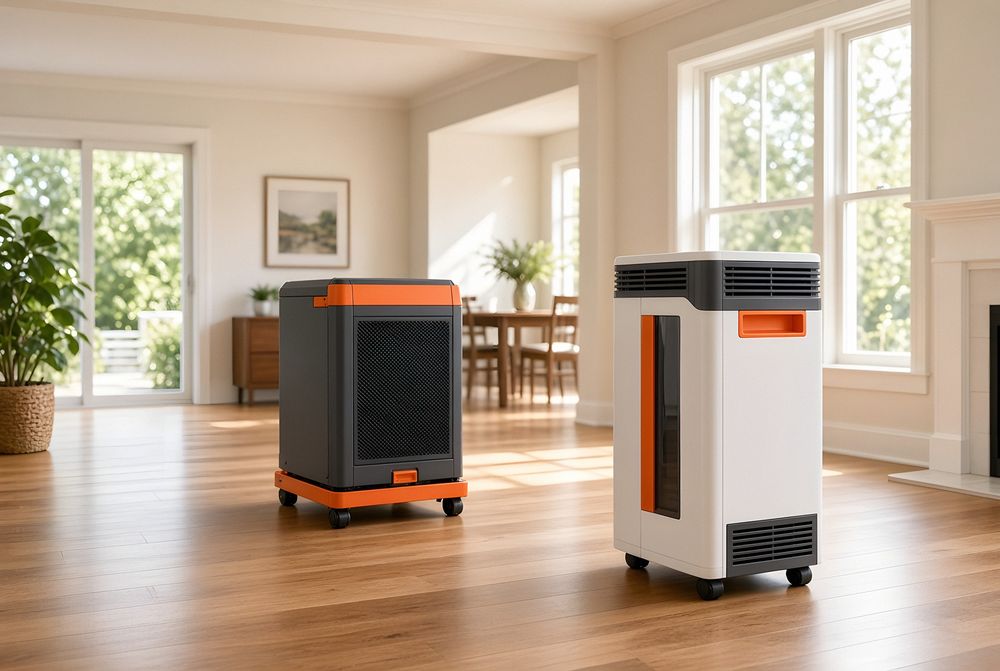
Will an air purifier fix it?
Not if residue remains in materials. Source removal comes first.
Should the air be tested?
If health symptoms or unknown chemicals are involved, an industrial hygienist can test air quality. We can coordinate that.