Learning that a tenant has died in a unit is difficult, and it raises immediate practical and legal questions. This checklist walks landlords and property managers through the steps in order. Laws on tenant deaths, abandoned property and lease termination vary by state, so consult your attorney on specifics.
1. Call 911 if you discover the tenant
If you find a tenant who appears to have died, call 911 and follow instructions. Don't move the person or clean anything. Police and the medical examiner or coroner will handle the scene and the body.
2. Respect the investigation
Investigators will release the unit when they finish. Don't enter, clean or remove items until they do. Ask whether any part of the unit or any items are being held.
3. Secure the unit
After release, secure the unit. If the door was forced, repair or board it. Change or re-key locks if appropriate, while keeping a record of who has keys, and document the condition of the unit with photos.
4. Identify the tenant's next of kin or representative
Check the lease and application for emergency contacts. The medical examiner's office may have contacted family. The tenant's estate is typically handled by an executor named in a will or an administrator appointed by a court. Until someone has authority, be careful about releasing belongings.
5. Understand the lease and state law
Key questions to review with your attorney:
- Does the lease end at death? In many states, a lease continues and becomes an obligation of the estate, though some states have special rules allowing early termination.
- What notice is required before handling the tenant's belongings?
- How must abandoned property be handled, stored or disposed of?
- What happens to the security deposit?
6. Address odor and contamination quickly
If the death wasn't discovered right away, decomposition may have contaminated the unit and odor may be reaching neighbors. Professional cleanup should start as soon as the unit is released and the appropriate parties are notified. Many landlords allow the family to remove belongings first, or arrange for the cleanup company to recover specific items for the family.
7. Coordinate belongings with the estate
The tenant's belongings generally belong to the estate. Work with the executor, administrator or family on how and when they will be removed. Items contaminated by decomposition may not be salvageable; the cleanup company can document and dispose of them with the estate's agreement. Keep records of everything removed and discarded.
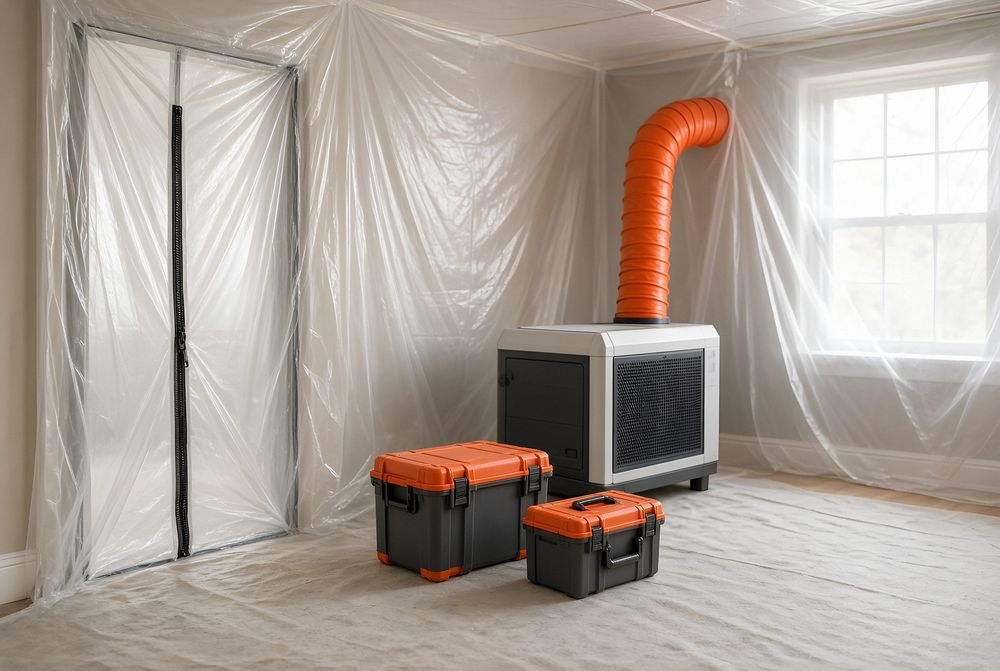
8. Arrange professional cleanup
A professional company will:
- Assess contamination, including subfloor, walls, adjoining units and HVAC
- Recover personal items for the family
- Remove contaminated materials
- Clean, disinfect and treat odor
- Document the work for insurance and the estate
9. Check neighboring units
Odor and fluids can reach adjoining units, hallways and the unit below. Inspect neighboring spaces if there's any sign of odor, staining or insects, and address them promptly. Keep communication with other residents brief and respectful; don't share private details.
10. Notify your insurer
Landlord or commercial property policies may cover cleanup and repairs to the unit. Document conditions and keep invoices. The tenant's renters insurance, if any, may cover the tenant's belongings.
11. Account for costs and the deposit
Keep itemized records of cleanup, repairs, rent and other costs. State law governs how security deposits are handled and what may be deducted. Claims beyond the deposit may be submitted to the estate.
12. Repair and re-rent
After remediation, restore the unit: new flooring, drywall, paint and fixtures as needed. Before re-renting, consider whether your state requires or advises disclosure of a death in the unit; many states don't require it, but rules vary.
Handling inquiries
Other residents and prospective tenants may ask what happened. Keep answers factual and limited, and protect the privacy of the tenant and family.
Building a plan for next time
Tenant deaths happen in every portfolio over time. Have a written procedure: who to call, how to secure the unit, how to contact next of kin, which cleanup company to use, and how to document everything. Consider offering optional emergency contact updates and wellness check arrangements for residents who live alone.
Frequently asked questions
Can I enter the unit to check on it?
Only after investigators release it, and ideally with documentation of why you entered. Follow your state's entry and notice rules.
Who pays for cleanup?
Often the landlord's insurance covers the unit, with the estate responsible for belongings and possibly for costs beyond the deposit. Lease terms and state law matter.
Can I throw away the tenant's belongings?
Not without following state law on abandoned property and coordinating with the estate. Contaminated items can be documented and discarded with the estate's agreement.
Do I have to tell future tenants?
Disclosure rules for a death in a unit vary by state. Ask your attorney.
Key takeaways
After a tenant's death, call 911 if needed, wait for investigators to release the unit, secure it, identify the estate representative, follow state law on the lease and belongings, start professional cleanup promptly, check neighboring units, notify insurers and keep detailed records.
Sources
- OSHA: Bloodborne Pathogens and Needlestick Prevention
- HUD and DOJ: Joint Statement on Reasonable Accommodations Under the Fair Housing Act
This guide is general information. It is not legal, medical, environmental or safety advice. Rules vary by state and locality. For a specific situation, consult the relevant agency or a qualified professional.