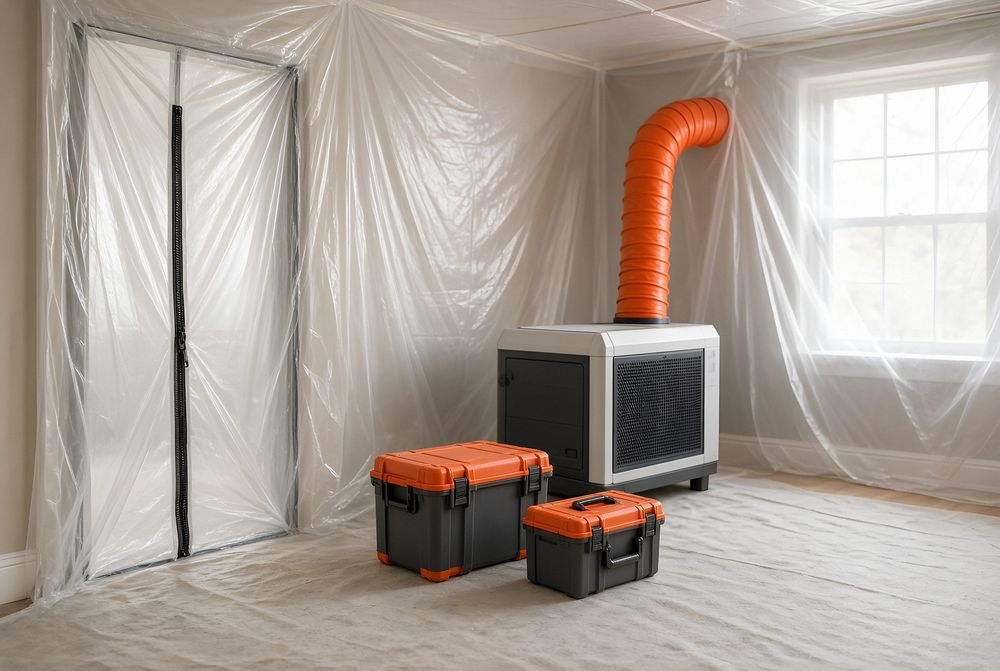
An unattended death is a death that occurs when no one is present, and that isn't discovered right away. It might be a person living alone who passed away in their sleep, someone who died after a fall, or a death discovered days or weeks later by a neighbor, landlord or welfare check. The term is used by cleanup professionals and sometimes by insurers; officials more often speak of unattended or unwitnessed deaths when deciding whether an investigation is needed.
The time between death and discovery is what makes these situations different. It determines how much decomposition has occurred, how far fluids and odor have spread, and how much work is needed to restore the property.
How authorities handle it
When someone discovers a person who appears to have died, they should call 911. Police and emergency medical services respond, and the medical examiner or coroner's office is usually notified when a death is unattended or unexpected. Officials will:
- Confirm the death
- Document the scene and gather information about the person's health and circumstances
- Determine whether further investigation, such as an autopsy, is needed
- Arrange transport of the body to the medical examiner's office or a funeral home
Most unattended deaths are from natural causes. Investigations are routine when no doctor was present, and don't imply wrongdoing.
Why time matters
After death, the body begins to break down. Within a day or two in warm conditions, decomposition can begin releasing fluids and gases. Over days and weeks, fluids soak into whatever the body was on: a bed, a couch, carpet, a floor. They seep through to the pad, subfloor and sometimes the joists and the ceiling below. Strong odor develops and spreads through the home and into the HVAC system. Insects are often present.
Temperature, humidity, the person's size and health, and the surfaces involved all affect how quickly this happens. A death discovered within hours may require only ordinary cleaning. One discovered after a week in summer usually requires extensive remediation.
When specialized cleanup is needed
Professional cleanup is usually needed when:
- Fluids were released onto any surface
- There is a noticeable odor of decomposition
- Insects are present
- The person was not found for more than a short time
- The death occurred on a mattress, upholstered furniture or carpet
What the cleanup involves
Unattended death cleanup typically includes:
- Assessment of where fluids and odor traveled, including subfloors, walls, adjoining rooms and HVAC.
- Recovery of personal items the family wants, cleaned where possible.
- Removal of contaminated mattresses, furniture, carpet, pad and sometimes subfloor and drywall.
- Cleaning and disinfection of remaining surfaces.
- Insect control in coordination with pest control if needed.
- Odor treatment, including sealing stained materials and treating the air and HVAC system.
- Documentation for insurance, the estate or the landlord.
Who is responsible
- Homeowners and their estates are responsible for cleaning property the person owned.
- In rentals, the landlord is generally responsible for the unit itself, while the tenant's estate is responsible for the tenant's belongings. Lease terms and state law matter, and arrangements are often worked out between the landlord, the family and insurers.
- Families often take the lead on decisions about belongings.
Paying for cleanup
Homeowners insurance often covers cleanup after a sudden event such as a death in the home. Landlords may have coverage under their property policies. Renters insurance may cover a tenant's belongings. If there's no coverage, costs may be paid by the estate or the property owner. Ask your insurer early, and document conditions with photos before work starts if possible.
What families should know
Families are often shocked by what they find. Please don't enter the affected area without protection, and don't attempt to clean it. Decomposition fluids carry bacteria and pathogens, odor clings to clothing and hair, and the experience can be deeply upsetting. Let professionals handle the work and recover the items that matter.
Preventing unattended deaths from going unnoticed
Many unattended deaths involve older adults living alone. Regular check-ins by family, neighbors or community programs, medical alert devices, and arrangements with building managers can shorten the time before someone is found. Some police departments and senior services offer daily check-in programs.
Neighbors and shared buildings
In apartments and condominiums, odor often reaches hallways and neighboring units, and fluids can reach the unit below. Building managers should be involved early, both for access and to address effects on other residents.
Emotional impact
Discovering a loved one, tenant or neighbor after an unattended death is traumatic. Feelings of guilt, especially about not checking in sooner, are common and understandable. Talking with friends, a counselor or a grief group can help.
Frequently asked questions
Is an unattended death the same as a suspicious death?
No. Most unattended deaths are natural. Officials investigate because no doctor was present, not because they suspect a crime.
Can the family see the room before cleanup?
It's your choice, but many families find it upsetting. If you want to enter, wear gloves, avoid the affected area and keep the visit short. A cleanup company can photograph conditions and retrieve items instead.
How soon should cleanup start?
As soon as the property is released and the responsible parties agree. Every day of delay lets fluids and odor spread further.
Will the smell go away on its own?
No. Odor comes from contaminated materials and absorbed compounds, and it persists until they are removed and treated.
Key takeaways
An unattended death is a death that isn't discovered right away. Authorities confirm the death and decide whether investigation is needed; they don't clean the property. The longer the time before discovery, the more decomposition affects the home. Professional cleanup removes contaminated materials, treats odor at the source and documents the work. Insurance or the estate often pays.
Sources
- OSHA: Bloodborne Pathogens and Needlestick Prevention
- OSHA: 29 CFR 1910.1030, Bloodborne Pathogens Standard
- EPA: Selected EPA-Registered Disinfectants
This guide is general information. It is not legal, medical, environmental or safety advice. Rules vary by state and locality. For a specific situation, consult the relevant agency or a qualified professional.