After an unattended death, families, landlords and executors often need to get into the home for documents, pets, valuables or to assess the situation. It's natural to wonder whether that's safe. The short answer: brief, careful entry into unaffected areas is usually manageable with precautions, but entering the affected area or handling contaminated materials carries real risks and is best left to professionals.
What the hazards are
Biological contamination. Decomposition fluids contain high levels of bacteria, and blood and bodily fluids may carry bloodborne pathogens such as hepatitis B and C. Exposure happens through cuts, splashes to the eyes or mouth, and contact with contaminated surfaces followed by touching your face.
Odor and gases. Decomposition produces strong-smelling compounds that can cause nausea, headaches and dizziness. In a closed home, odor can be overwhelming. These effects are usually temporary once you leave, but they can make it hard to stay focused and safe.
Insects. Flies and other insects are often present. They can carry contamination from the affected area to other surfaces.
Physical hazards. Homes where someone lived alone may have clutter, trip hazards, weak floors, or damaged doors from forced entry. In some cases, there may be needles, medications or other items that require care.
Emotional impact. For family members especially, seeing the affected area can be traumatic and leave lasting images.
Who should not enter
- Children
- Pregnant people
- People with weakened immune systems, respiratory conditions or open wounds
- Anyone who feels unable to cope with what they may see
If you must enter: a brief-entry approach
If you need to retrieve something urgent, such as a pet, medication, keys or documents, from an unaffected area:
- Wait until the property has been released by investigators.
- Plan your route to avoid the affected room.
- Ventilate by opening a door or window if you can do so without entering the affected area.
- Wear disposable gloves, and consider a disposable outer layer such as coveralls or old clothes you'll wash immediately.
- Don't eat, drink or touch your face inside.
- Avoid the affected area entirely. Don't open its door if you can avoid it.
- Keep the visit short.
- Afterward, remove gloves carefully, wash your hands and face, and launder clothes separately.
A simple dust mask won't block odor and offers limited protection. Respirators that protect against odors and biological particles require proper selection and fit; professionals use them under OSHA's respiratory protection standard.
What not to do
- Don't attempt to clean the affected area.
- Don't move or remove contaminated furniture, bedding or carpet.
- Don't run the HVAC system, which spreads odor and contamination.
- Don't spray air fresheners or chemicals, which can mask problems and add irritants.
- Don't bring pets or other people along.
Pets
Pets left in the home after a death need prompt care. If a pet was confined with the deceased, it may need a veterinary check. Animal control or a local humane organization can help if you can't safely retrieve the pet.
Letting professionals handle it
A professional cleanup company can:
- Document the condition of the home with photos for insurance and the estate
- Search for and retrieve specific items you need
- Clean and deodorize recovered items before handing them to you
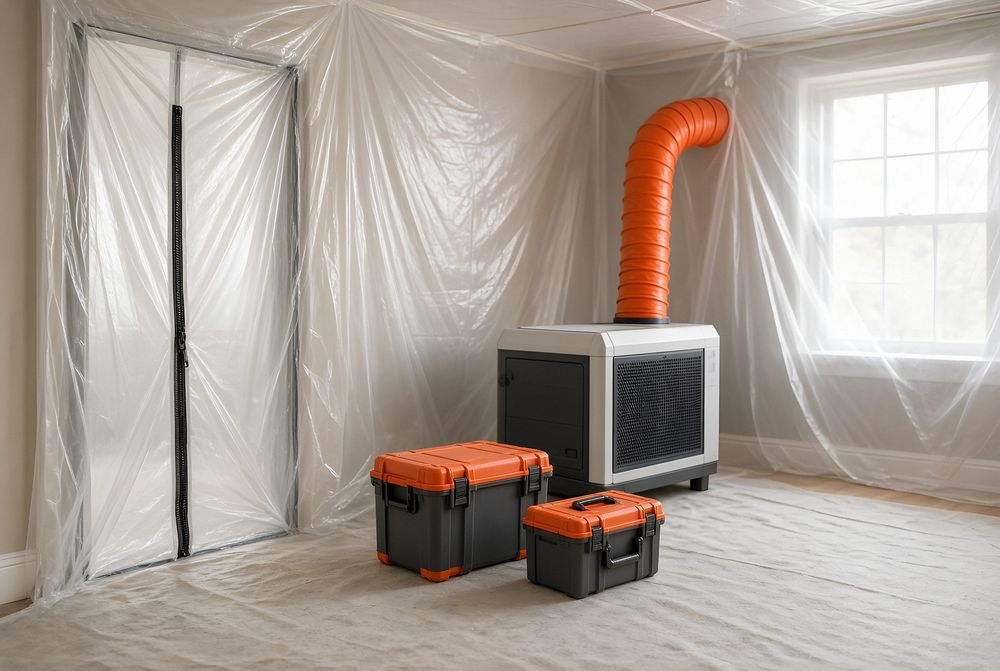
- Seal off the affected area until remediation is complete
This approach spares family members the most difficult exposure and keeps important items from being contaminated.
After cleanup
Once professional remediation is complete, including source removal, cleaning, disinfection and odor treatment, the home is generally safe to enter normally. Ask the company to confirm completion and walk you through what was done.
For landlords and property managers
Landlords often need to enter to assess damage, check on neighboring units or let in investigators and cleanup crews. The same precautions apply. Keep entries brief, avoid the affected area, and use the cleanup company's assessment and photos for insurance rather than walking through yourself. If maintenance staff must enter, give them gloves and clear instructions, and keep them out of the affected room.
Frequently asked questions
Can the smell make me sick?
It can cause temporary nausea, headaches and dizziness. Leave the area if you feel unwell. The bigger health concern is contact with contaminated materials.
Is it safe to stay in another part of the house?
Usually not until the source is removed and odor treated, because odor and insects spread through the home and HVAC.
Do I need a hazmat suit just to get papers?
No, for a short visit to an unaffected room, gloves, washable clothing and careful hygiene are reasonable. Avoid the affected area.
What if I already touched something in the room?
Wash thoroughly with soap and water. If you had a cut or a splash to your eyes or mouth, contact a healthcare provider.
Key takeaways
Short visits to unaffected areas are generally manageable with gloves, ventilation, hygiene and a clear plan. Entering the affected area or handling contaminated materials carries biological, physical and emotional risks. Vulnerable people should stay out. Let professionals document conditions, retrieve items and clean up.
Sources
- OSHA: Bloodborne Pathogens and Needlestick Prevention
- OSHA: 29 CFR 1910.1030, Bloodborne Pathogens Standard
- OSHA: 29 CFR 1910.134, Respiratory Protection
This guide is general information. It is not legal, medical, environmental or safety advice. Rules vary by state and locality. For a specific situation, consult the relevant agency or a qualified professional.