When contamination gets into the air system
Heating and cooling systems move air through the whole building, so contamination in one room can spread through returns and ducts. Odor that keeps returning after a room has been cleaned often comes from the HVAC system. Common sources include:
- Decomposition after an unattended death, when odor and fluids reach returns or floor registers
- Rodents and nests in ductwork, air handlers or plenums
- Smoke and soot after fires
- Drug residue from smoking methamphetamine or other drugs indoors
- Sewage or floodwater reaching floor ducts in crawlspaces or slabs
- Construction dust and debris
How decontamination works
- Inspect the air handler, coils, drain pan, returns, supply and return ducts, and registers. Camera inspection helps for inaccessible runs.
- Remove the source. Clear debris, nests and contaminated insulation. Contaminated duct board or flex duct that can't be cleaned may need replacement.
- Clean rigid metal ducts using negative-air collection and agitation tools, following accepted duct-cleaning practice.
- Clean the air handler, coil, blower and drain pan, coordinated with your HVAC contractor.
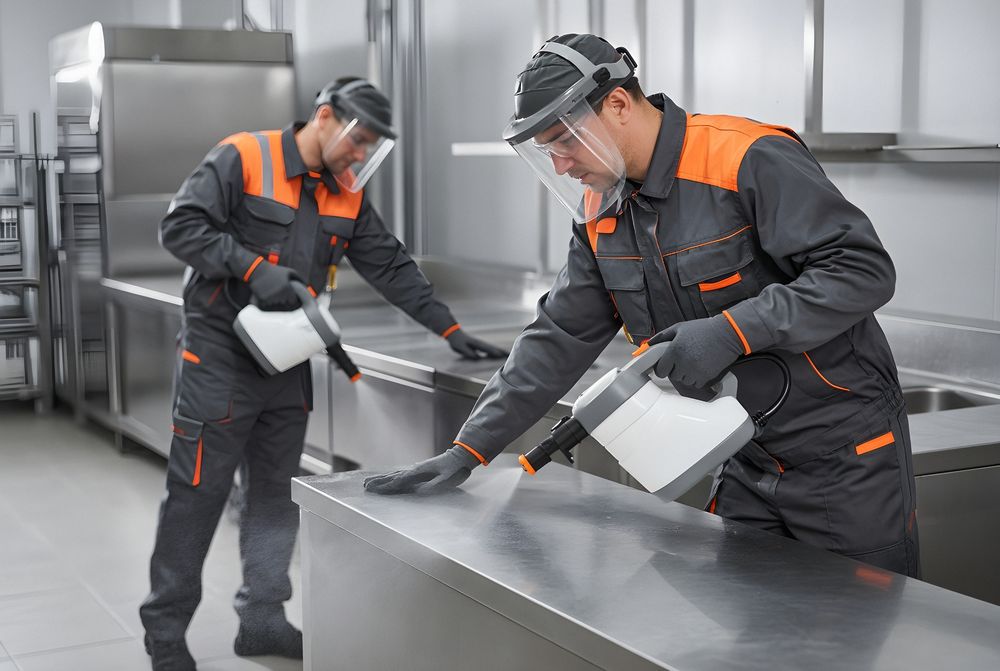
- Treat with products approved for HVAC use where appropriate, and replace filters.
- Verify odor removal and document the work.
Coordinating with your HVAC contractor
Mechanical repairs, coil replacement and equipment service are done by licensed HVAC contractors. We coordinate with yours or recommend one where we serve.
Drug residue in ducts
Some states require HVAC cleaning or replacement as part of drug lab decontamination. See HVAC drug residue decontamination.
Common questions
Is duct cleaning always needed after a biohazard event?
No. It depends on whether contamination or odor reached the system. We inspect before recommending it.
Can flexible ducts be cleaned?
Flex duct is easily damaged and is often replaced rather than cleaned when contaminated.
Will sprays alone fix duct odor?
Rarely. The source has to be removed. Treatments come after cleaning.