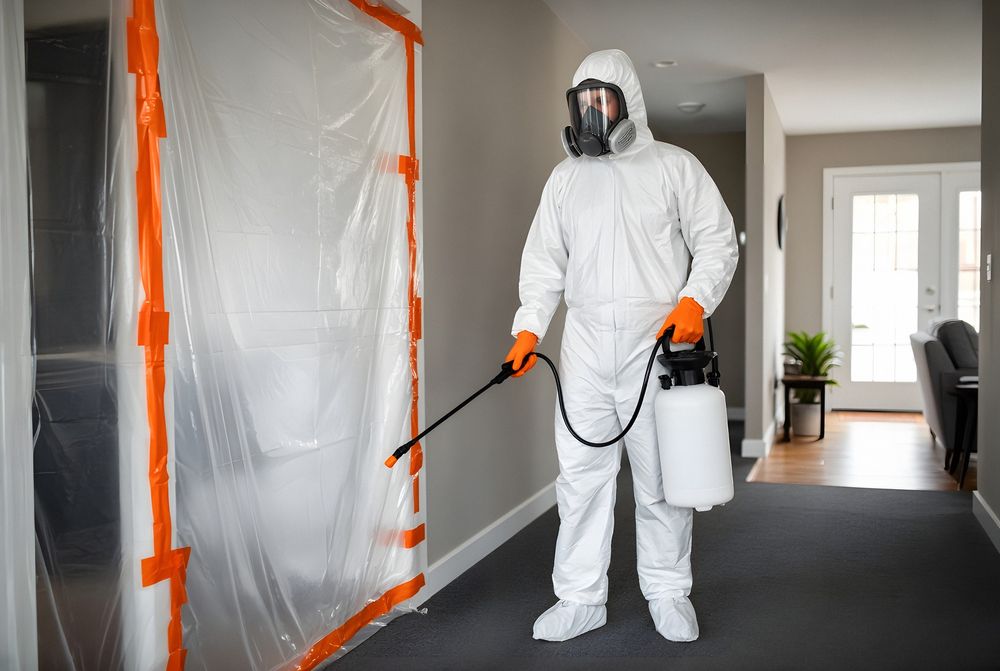
How MRSA spreads in buildings
MRSA (methicillin-resistant Staphylococcus aureus) and other staph bacteria spread mainly through skin-to-skin contact and through shared items or surfaces that touch skin: towels, razors, athletic equipment, mats, benches and bedding. The CDC identifies crowding, frequent skin contact, compromised skin, contaminated items and lack of cleanliness as factors in community spread. Locker rooms, gyms, wrestling programs, schools, correctional facilities and homes with an infected person are common concerns.
What decontamination focuses on
- Skin-contact surfaces: mats, benches, equipment grips, seats and counters
- Shared items: towels, uniforms and gear, which go to laundering, while hard gear is disinfected
- Bathrooms and showers: fixtures, partitions, floors and handles
- Bedding and upholstery in homes
- High-touch points: door handles, light switches, railings and remotes
Our approach
- Identify where the person or team spent time and what they touched.
- Clean surfaces to remove body oils and soil.
- Disinfect with EPA-registered products whose labels include Staphylococcus aureus or MRSA claims, at the label contact time. Many hospital-grade disinfectants qualify.
- Address porous items through laundering guidance, label-appropriate treatment, or removal for items that can't be cleaned.
- Document areas, products and methods.
Prevention matters more
Decontamination resets the environment, but recurrence prevention depends on hygiene practices: covering wounds, not sharing personal items, regular cleaning of shared equipment, and laundering. Athletic programs should follow guidance from their governing bodies and the CDC.
Healthcare and care facilities
In healthcare and senior living settings, infection prevention is governed by the facility's own program. Our work supplements environmental services during outbreaks or special situations.
Common questions
Will one deep clean stop MRSA?
It reduces contamination on surfaces, but people can carry MRSA on their skin. Ongoing hygiene and medical treatment of infections are essential.
Is fogging enough?
No. Contact surfaces need cleaning and wet-contact disinfection. Fogging alone doesn't do that.