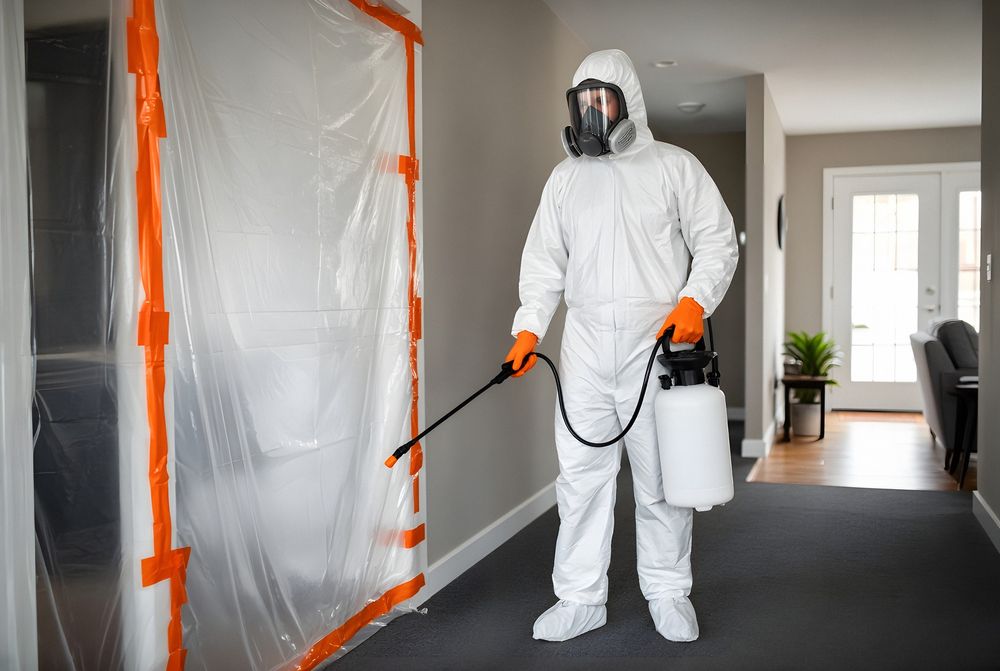
Why bodily fluids need careful handling
Blood, vomit, urine, feces, saliva and other bodily fluids can carry bacteria and viruses. Some are hardy. Norovirus, for example, spreads easily from contaminated surfaces, and C. difficile spores resist many common disinfectants. Bodily fluids also soak quickly into fabric, carpet, mattresses and grout, where they cause odor and keep contaminating the space.
A thorough response protects the people who use the space and the person cleaning it.
Where we respond
- Homes: illness, accidents, incontinence and medical events
- Businesses: restrooms, dining areas, retail floors, offices and fitting rooms
- Hotels: guest rooms, linens, mattresses and public areas
- Schools and gyms: classrooms, buses, locker rooms and athletic facilities
- Vehicles: cars, rideshare and fleet vehicles, buses and transport vans
How the work is done
- Isolate the area so nobody walks through it or tracks it elsewhere.
- Protective equipment suited to the fluid and the risk of splashing.
- Remove gross material with absorbent products, and package it as waste.
- Clean the surface to remove remaining organic matter.
- Disinfect with an EPA-registered product whose label covers the relevant organisms, such as norovirus or C. difficile when those are suspected, for the full contact time.
- Porous materials. Carpet, upholstery and mattresses are extracted and treated where possible, or removed if they're saturated.
- Dispose of waste according to applicable rules.
- Document what was done for facility or insurance records.
Restrooms and high-traffic areas
For businesses, one bodily fluid incident in a public restroom or dining area can close the area and cause concern among customers. We respond quickly, work discreetly and return the area to service once it's safe. Facilities with frequent incidents, such as transit, hospitality and entertainment venues, may benefit from a standing response arrangement.
Common questions
What disinfectant works on norovirus?
Choose an EPA-registered disinfectant with a norovirus claim on its label, and follow the label's contact time. Not every product qualifies.
Can a mattress be saved after bodily fluids soak in?
Usually not, if the fluid penetrated past the surface. Mattress cores can't be reliably decontaminated.
How soon can the area be used again?
Hard surfaces can usually go back into service once the disinfectant's contact time has passed and the area is dry, often within the same visit. Carpet and upholstery that were extracted need time to dry before they're used.
Should staff clean small incidents themselves?
Small incidents on hard surfaces can be handled by trained staff with a proper spill kit, gloves and an appropriate disinfectant. Larger incidents, or anything on porous materials, are better handled by a specialist.