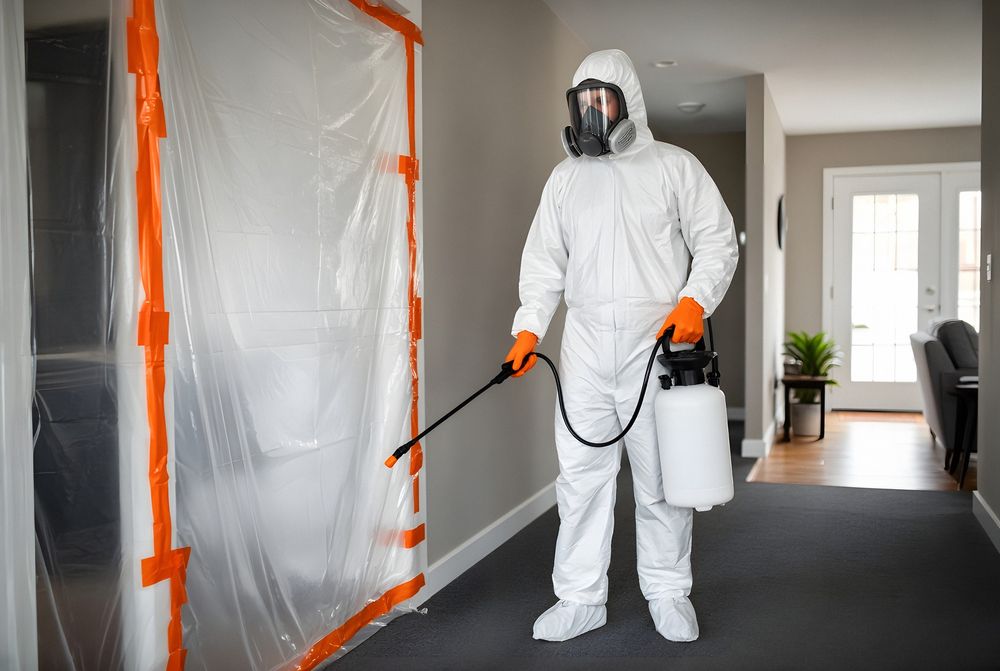
When a violent crime happens in a home or vehicle, the cost of cleanup usually falls on the victim, the family or the property owner. Many people don't know that every state operates a crime victim compensation program, and many of those programs can reimburse crime scene cleanup costs. This guide explains how these programs generally work and how to use them.
What crime victim compensation is
Crime victim compensation programs reimburse eligible victims of violent crime, and in many cases their families, for certain expenses resulting from the crime. Every state, the District of Columbia and U.S. territories have programs. They are funded largely by fines and fees paid by offenders, with additional federal support through the Victims of Crime Act, administered by the U.S. Department of Justice's Office for Victims of Crime.
Commonly covered expenses include medical and dental care, mental health counseling, lost wages and loss of support, and funeral and burial costs. Many programs also cover crime scene cleanup, along with items such as relocation and security measures.
Is cleanup covered in my state?
It depends. Each state sets its own rules, eligible expenses and limits, and some states cap cleanup reimbursement at a modest amount while others allow more. Check with your state's program, or ask a victim advocate to check for you.
Who is usually eligible
Eligibility rules vary, but many programs share common requirements:
- A qualifying crime. Usually a violent crime involving physical injury, threat of injury or death. Property crimes alone, such as burglary without injury, often aren't covered.
- Reporting to law enforcement, typically within a set time frame, unless there's a good reason for delay.
- Cooperation with the investigation and prosecution, within reason.
- A timely application, often within a set period after the crime, with exceptions in some states.
- No contributory misconduct. Benefits may be reduced or denied if the victim's own conduct contributed to the crime.
Family members of homicide victims, and sometimes others who paid for expenses, may be eligible.
Compensation is the payer of last resort
Compensation programs usually pay only for costs not covered by other sources, such as insurance. If homeowners or auto insurance covers cleanup, the compensation program will generally consider that first. Report the loss to your insurer and keep records of what insurance pays.
How to apply
- Contact a victim advocate. Police departments, prosecutors' offices and community organizations often have advocates who help with applications.
- Get the application from your state's program, usually online.
- Gather documents: the police report number, receipts and invoices, insurance information and correspondence, and identification.
- Submit promptly, even if all bills aren't final. Many programs accept supplemental bills later.
- Keep copies of everything.
- Follow up. Processing can take weeks or months.
Working with a cleanup company
When compensation may be involved:
- Tell the cleanup company early.
- Ask for an itemized estimate and invoice that clearly describe crime scene cleanup.
- Ask for photos and a written scope, which support the application.
- Some programs pay providers directly; others reimburse the applicant. Ask your state program how it works, and discuss payment terms with the company.
Common questions
Do I have to wait for a conviction? Generally, no. Most programs don't require an arrest or conviction, only that a crime occurred and was reported.
What if the crime happened in a rental? Rules vary on whether a tenant, landlord or estate can claim cleanup. Ask the program.
What about suicide? Suicide is generally not a crime, so compensation programs typically don't cover cleanup after a suicide, though some situations differ. Insurance is the main resource.
Are vehicles covered? Some programs cover cleanup of vehicles where violent crimes occurred.
Is there a dollar limit? Yes. Each state sets overall maximums and often separate limits for cleanup.
Tips that make the process smoother
- Ask early. Some programs require notice or pre-approval for certain services, and deadlines can be strict.
- Keep a single folder of receipts, estimates, the police report number, insurance letters and correspondence with the program.
- Track out-of-pocket costs, including temporary lodging, securing the property and replacing locks, which some programs cover.
- Report changes. If insurance pays later, the program may need to know.
- Appeal if denied. Most programs have an appeal or reconsideration process. An advocate can help you understand the reason for a denial and what additional information might change the outcome.
A note for landlords and property owners
When a violent crime happens in a rental unit, the tenant or the tenant's family may be eligible for compensation for their own losses. Whether the program reimburses the property owner for cleaning the unit depends on state rules. Landlords should look first to their property insurance, and coordinate with the tenant or family so applications aren't duplicated or missed.
Other resources
- Homeowners, renters and auto insurance often cover cleanup after sudden events.
- Employers may offer assistance programs.
- Community and faith organizations sometimes help with emergency costs.
Key takeaways
Every state has a crime victim compensation program, and many cover crime scene cleanup for eligible victims and families. Coverage, limits and requirements vary by state. Report the crime, apply promptly, use insurance first, keep itemized invoices and photos, and ask a victim advocate for help.
Sources
This guide is general information. It is not legal, medical, environmental or safety advice. Rules vary by state and locality. For a specific situation, consult the relevant agency or a qualified professional.