An unexpected or traumatic death at home brings shock and grief along with a series of practical decisions. This guide walks through the steps in order. Take them one at a time, and lean on the people and services available to help.
First: get help
If you have just found someone who may be dead or seriously injured, call 911. Emergency responders will determine whether life-saving care is possible and will notify law enforcement and the medical examiner or coroner as needed. Follow the dispatcher's instructions.
Don't move the person or clean anything. If the death was not expected, it will likely be investigated, even when nothing suspicious is believed to have happened.
What happens at the scene
Police and the medical examiner or coroner's office will typically:
- Secure the area and ask questions about the person and what happened
- Examine the scene and document it with photos
- Arrange for the body to be transported to the medical examiner's office or released to a funeral home
- Decide whether an investigation is needed
This can take hours. It's normal to feel overwhelmed. If a victim advocate or chaplain is offered, it's okay to accept.
Notifying family and choosing a funeral home
Once the medical examiner releases the body, a funeral home will handle transportation, arrangements and paperwork such as the death certificate. If the person had a plan or prepaid arrangements, let the funeral home know.
Protecting the home in the meantime
After investigators leave:
- Keep the area closed. Close the door to the room where the death occurred and keep children and pets out.
- Don't try to clean blood or bodily fluids that soaked into flooring, mattresses or furniture.
- Secure the property. If doors or windows were damaged during entry, arrange to secure them.
- Consider the HVAC system. If there is a strong odor, turning off the heating and cooling system in that area can keep it from spreading until the source is addressed.
- Remove perishables from the kitchen if the home will be empty.
- Secure valuables and important papers, especially if many people will be coming and going.
When cleanup is needed
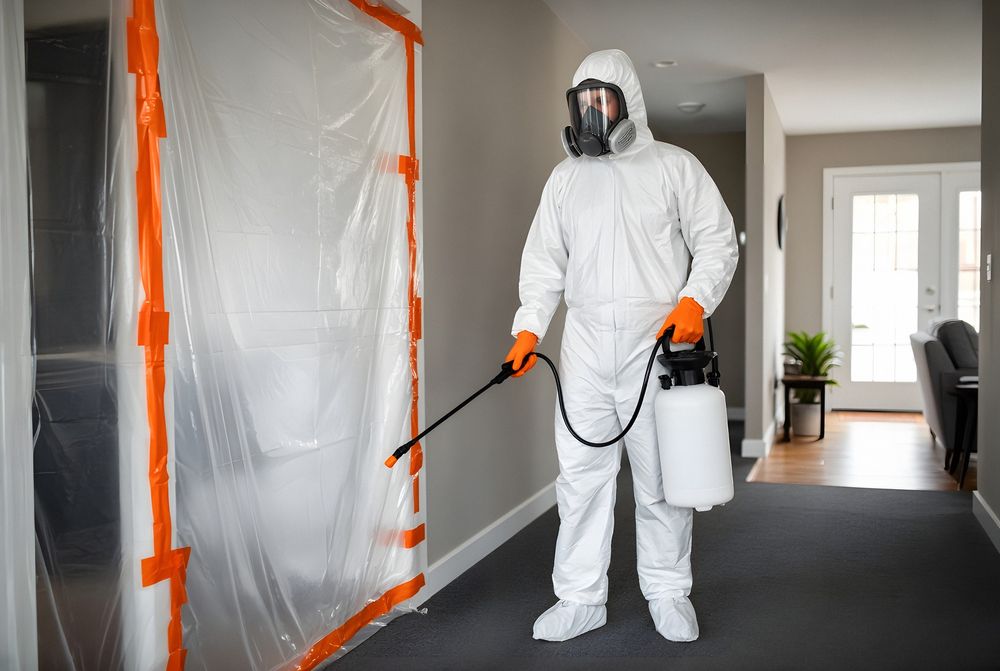
Not every death at home requires specialized cleanup. A peaceful death discovered quickly, with no fluids released, may only require ordinary cleaning and laundering of bedding. Professional cleanup is needed when:
- There was blood loss or other bodily fluids
- The death involved trauma, such as suicide, an accident or violence
- The person wasn't found for some time and decomposition began
- There is a strong or persistent odor
Choosing a cleanup company
Look for a company that:
- Explains what it will do and why, without pressure
- Provides a written estimate and scope
- Uses trained, protected workers and arranges compliant waste disposal
- Works discreetly
- Recovers and cleans personal items
- Provides documentation for insurance
You don't have to choose the first company recommended to you. You can ask questions and compare.
Insurance and costs
Homeowners and renters insurance often covers cleanup after a sudden event. Report the loss to your insurer and ask about coverage. If the death was the result of a crime, your state's crime victim compensation program may help with cleanup and other costs. For estates, cleanup costs may be paid from the estate.
Personal belongings
Tell the cleanup company early which items matter: documents, photos, jewelry, keepsakes, a favorite blanket. Crews can search for and set aside items, clean what can be cleaned, and explain what can't be saved. If you're not ready to make decisions about belongings, items can be packed and stored.
If you rent or own the property
Renters: notify the landlord. Cleanup responsibility for the unit and belongings depends on the lease and state law.
Landlords: if a tenant has died, see our guide on landlord steps after a tenant death, including how to handle the unit, belongings and the estate.
Homeowners and executors: if the home will be sold, see our guidance on selling a property after a traumatic event.
Paperwork you'll need
Over the following weeks, you may need several certified copies of the death certificate for banks, insurers, government agencies and the estate. The funeral home can usually order them. Keep a folder with the police report number, the medical examiner's case number, the cleanup company's estimate and invoice, insurance claim numbers and receipts. If you're the executor or administrator of an estate, keep cleanup and securing costs separate, since they may be reimbursable from the estate or by insurance.
Taking care of yourself
Finding someone who has died, or losing someone suddenly, is traumatic. Reactions such as trouble sleeping, intrusive images, numbness or guilt are common. Lean on friends, family, faith communities and grief support services. If thoughts of self-harm come up, or if the death was a suicide and you are struggling, you can call or text 988, the Suicide and Crisis Lifeline, at any time.
A checklist
- Call 911 and follow instructions.
- Let investigators and the medical examiner do their work.
- Contact a funeral home once the body is released.
- Secure the home and keep the affected area closed.
- Report the loss to your insurer.
- Ask about crime victim compensation if a crime was involved.
- Contact a professional cleanup company if blood, fluids, trauma, decomposition or odor are present.
- Identify personal items you want recovered.
- Keep all receipts and documentation.
Key takeaways
Call 911 first and let investigators finish their work. Keep the affected area closed and don't try to clean soaked-in contamination yourself. Insurance and victim compensation can help pay for professional cleanup, which protects your health and spares you a painful task. Take care of yourself and accept help.
Sources
- Office for Victims of Crime: Crime Victim Compensation
- OSHA: Bloodborne Pathogens and Needlestick Prevention
This guide is general information. It is not legal, medical, environmental or safety advice. Rules vary by state and locality. For a specific situation, consult the relevant agency or a qualified professional.