After a crime or traumatic death, many families and property owners assume the police or another public agency will clean up. In almost all cases, they don't. This guide explains who does what, what falls to the owner, and where help can come from.
What police and investigators do
Law enforcement's job at a scene is to protect life, investigate and collect evidence. Investigators may photograph, measure, collect items, cut out samples of carpet or drywall, and apply fingerprint powder or chemical reagents. When they're finished, they release the scene back to the owner or responsible party.
Police generally do not clean the scene. What they leave behind, including blood, bodily fluids, fingerprint powder and damage from evidence collection, becomes the property owner's responsibility.
What the medical examiner or coroner does
If someone has died, the medical examiner or coroner's office handles the body, determines cause and manner of death, and releases the remains to a funeral home. They don't clean the property. In some cases they can give the family information about cleanup services or victim resources.
What victim services can do
Many law enforcement agencies and prosecutors' offices have victim advocates who help families with practical matters, including finding cleanup resources and applying for crime victim compensation. If an advocate contacts you, ask about cleanup assistance.
Who is responsible for cleanup
Responsibility generally falls to whoever controls the property:
- Homeowners are responsible for their own property.
- Landlords are generally responsible for restoring rental units, while tenants or their estates may be responsible for their own belongings, depending on the lease and state law.
- Businesses are responsible for their premises, and employers must consider OSHA requirements before assigning staff to blood cleanup.
- Families and estates often handle cleanup when the deceased owned or rented the property.
- Vehicle owners are responsible for their vehicles.
When you can start
Cleanup can begin once investigators formally release the scene. Don't clean, move items or remove materials before then; doing so could interfere with an investigation. If you aren't sure whether a scene has been released, ask the investigating agency.
How cleanup is paid for
Several sources may help:
Homeowners or renters insurance. Many policies cover cleanup and damage from sudden, accidental events, which can include crime and trauma scenes. Coverage depends on the policy. Report the loss promptly and ask your insurer what's covered.
Commercial insurance. Businesses may have coverage under property policies for cleanup and related losses.
Auto insurance. Comprehensive coverage may apply to vehicles.
Crime victim compensation. Every state operates a crime victim compensation program supported in part by federal funds administered through the Office for Victims of Crime. Many of these programs can reimburse eligible victims and families for crime scene cleanup, along with medical costs, counseling, funeral expenses and lost wages. Each state sets its own rules, application deadlines and limits, and cleanup coverage amounts vary. Eligibility usually requires that the crime was reported to law enforcement.
Out-of-pocket payment. When no coverage applies, the property owner pays. Ask for a written estimate and scope before work begins.
What the cleanup involves
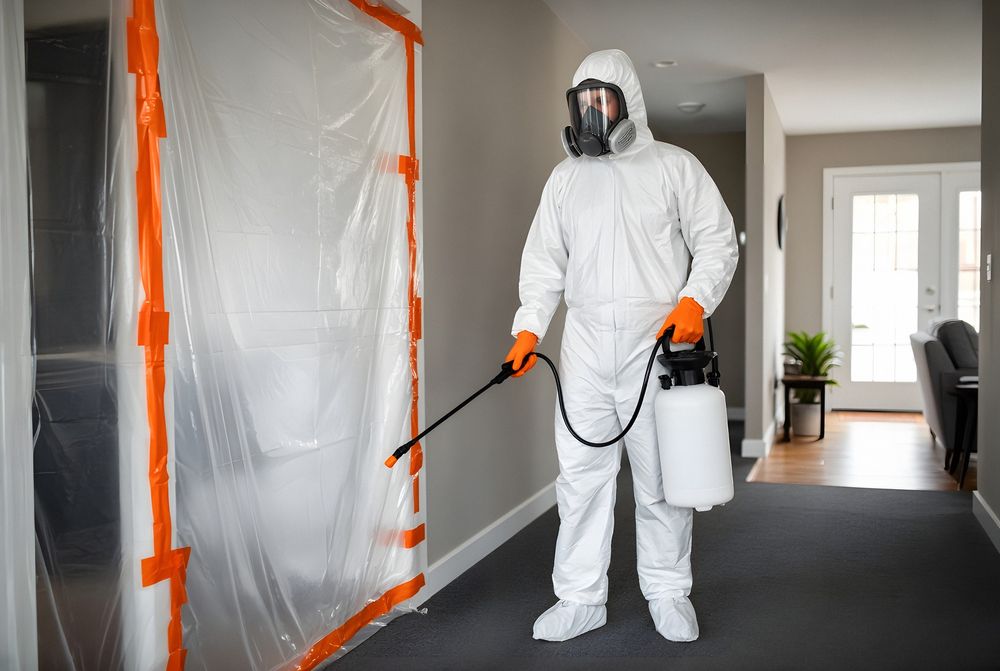
Professional crime scene cleanup removes blood and bodily fluids, and everything they've reached, from the property. That often includes removing carpet, pad, drywall and furniture, cleaning and disinfecting remaining surfaces, removing fingerprint powder and investigative residue, treating odor, and arranging proper disposal of regulated waste. Personal items are recovered and cleaned where possible.
Common misunderstandings
"The city will send someone." Public agencies rarely clean private property after a crime. Some jurisdictions handle public spaces such as streets and sidewalks, but homes, businesses and vehicles are left to owners.
"Insurance won't cover it." Many people never ask. Sudden events are often covered, and a claim costs nothing to report.
"The crime scene company has to be one the police recommend." You can choose any qualified company. Police and advocates may share a list, but you aren't required to use it.
"Waiting will make it easier." Delays let fluids soak deeper and odor spread, increasing cost and damage.
Why families shouldn't do it themselves
Family members sometimes feel they should clean up out of responsibility or privacy. There are good reasons not to. Blood and bodily fluids can carry bloodborne pathogens, and fluids often travel well beyond what's visible. Proper removal requires protective equipment and waste disposal. And the emotional toll of cleaning up after the violent death or injury of a loved one can be severe and lasting.
Neighbors and shared buildings
In apartments, condominiums and attached homes, odor and fluids can affect neighboring units, hallways or the unit below. Building managers and associations may need to be involved in access and cleanup, and their insurance may come into play for common areas.
Practical first steps
- Confirm the scene has been released.
- Contact your insurer to report the loss.
- Ask the victim advocate, if one is assigned, about compensation and resources.
- Call a professional cleanup company for an assessment and estimate.
- Tell the company about any personal items you want recovered.
- Keep receipts and documentation for insurance or compensation claims.
Key takeaways
Police, medical examiners and investigators don't clean up crime scenes. Once a scene is released, cleanup is the responsibility of the property owner or other responsible party. Insurance and state crime victim compensation programs can help pay. Professional cleanup protects health and spares families a traumatic task.
Sources
- Office for Victims of Crime: Crime Victim Compensation
- OSHA: 29 CFR 1910.1030, Bloodborne Pathogens Standard
- OSHA: Bloodborne Pathogens and Needlestick Prevention
This guide is general information. It is not legal, medical, environmental or safety advice. Rules vary by state and locality. For a specific situation, consult the relevant agency or a qualified professional.