When a home is sold or rented after someone died there, sellers and landlords often ask whether they have to tell buyers or tenants. The answer depends on the state, the circumstances, and sometimes what the buyer or tenant asks. This guide explains the general landscape so you know what to ask your real estate agent or attorney. It is not legal advice.
Why this is a question
Real estate disclosure laws generally require sellers to disclose known material defects, meaning problems with the physical condition of the property that affect its value or desirability, such as a leaking roof or foundation damage. A death in a home isn't a physical defect. But some buyers care about a property's history for personal, cultural or religious reasons, which raises the question of whether a death is "material."
Stigmatized property laws
Many states have addressed the question in statutes on so-called stigmatized properties: homes associated with events such as deaths, crimes or alleged hauntings that don't affect the physical condition. Approaches vary:
- Some states provide that a death, suicide or homicide on the property is not a material fact that must be disclosed by sellers or agents.
- Some states limit disclosure obligations to a period of time, such as a few years after a death.
- Some states prohibit misrepresentation: even if disclosure isn't required, a seller or agent generally can't lie in response to a direct question.
- Some states have no specific statute, leaving the question to general disclosure rules and court decisions.
Because these rules differ, check your state's law with your agent or attorney.
Answering direct questions
Even where disclosure isn't required, misrepresenting facts in response to a direct question can create liability. Many agents advise sellers to answer honestly if asked, or to refer buyers to public information.
Physical conditions are different
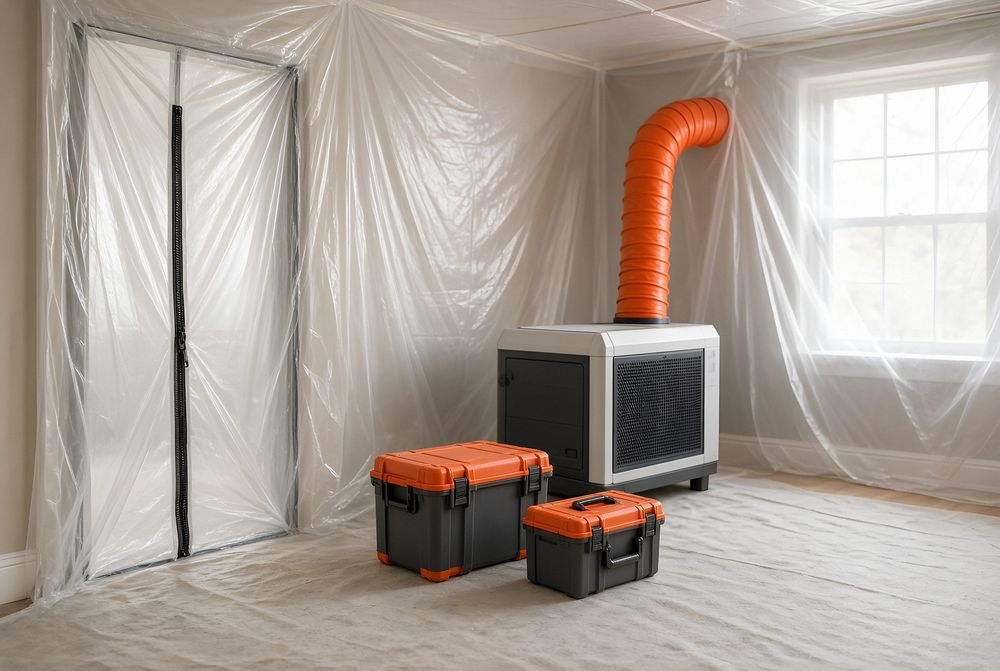
The death itself may not be a disclosure issue, but its physical effects can be. If decomposition damaged the subfloor, odor remains, or repairs are incomplete, those are physical conditions that disclosure rules may cover. Proper remediation that removes contamination and odor addresses the physical issue. Documentation showing what was done is often reassuring to buyers.
Drug labs are treated very differently
Properties used to manufacture methamphetamine are a separate category. Several states have specific laws on meth lab properties, including quarantine, required decontamination by certified contractors, and disclosure to buyers or tenants. In some states, a property can't be legally occupied until it has been decontaminated and released. Unlike a natural death, drug manufacturing contamination is a physical, chemical condition. Check your state's environmental or health agency.
Rentals
Landlord disclosure obligations also vary. Some states address deaths in rental units specifically; others don't. Physical conditions affecting habitability, such as odor or incomplete repairs, must be addressed before re-renting regardless.
Federal fair housing considerations
Disclosure practices shouldn't be used in a way that discriminates. For example, you shouldn't disclose a prior occupant's medical condition, such as an illness associated with a disability. Fair housing rules protect people with disabilities, including in how information about them is handled.
How remediation documentation helps
Whether or not disclosure is required, documentation from professional remediation helps when buyers, tenants, inspectors or appraisers ask questions:
- A written scope of what was removed, cleaned and treated
- Before-and-after photos
- Waste disposal records
- Test results, if testing was done
- Reconstruction records
Practical steps for sellers and landlords
- Complete professional remediation and repairs before listing.
- Keep documentation in one file.
- Ask your agent or attorney about your state's disclosure rules.
- Decide in advance how you'll answer direct questions honestly.
- Price and market the property based on its current condition.
Working with buyers' inspectors
Home inspectors look for physical conditions such as staining, odor, recent repairs and moisture. If remediation was done, they may notice new flooring or drywall in one area. Providing the remediation documentation upfront answers the question before it becomes a concern, and shows the work was done properly rather than covered up.
Frequently asked questions
Does a natural death affect home value?
Usually little or not at all once any physical effects are remediated, though buyer reactions vary.
Should I tell buyers even if it's not required?
That's a decision to make with your agent. Honesty in response to direct questions is generally wise.
Does a suicide or homicide change the rules?
In some states, yes; many stigmatized property statutes address these specifically. Check your state.
What about online records?
News reports and public records may already make a death known, which is another reason to answer questions honestly.
Key takeaways
Disclosure of a death in a home depends on state law; many states don't require it, but misrepresentation is risky. Physical effects such as odor and damage are a separate issue that remediation addresses. Meth lab properties are subject to specific state laws, including decontamination and often disclosure. Keep remediation documentation and consult your agent or attorney.
Sources
- Tennessee Department of Environment and Conservation: Meth Lab Cleanup
- Kentucky Energy and Environment Cabinet: Methamphetamine Lab Cleanup
- Arkansas DEQ: Clandestine Lab Remediation
- North Carolina DHHS: Methamphetamine
- HUD and DOJ: Joint Statement on Reasonable Accommodations Under the Fair Housing Act
This guide is general information. It is not legal, medical, environmental or safety advice. Rules vary by state and locality. For a specific situation, consult the relevant agency or a qualified professional.