After a traumatic death, families are often asked to make decisions at the worst possible time. Friends want to help but don't know how. This guide covers the practical side of the first days and weeks, so the people closest to the loss can focus on grieving and on each other.
The first hours
When a death is traumatic, police, medical examiners and sometimes victim advocates are involved. The family's immediate needs are usually simple: a safe place to be, people with them, and someone to handle phone calls. If you're supporting a family:
- Be present. Offer to stay, drive, or sit with children.
- Field calls and visitors. Protect the family from repeating the story again and again.
- Write things down. Names, phone numbers, case numbers and instructions from officials are easy to forget in shock.
The home
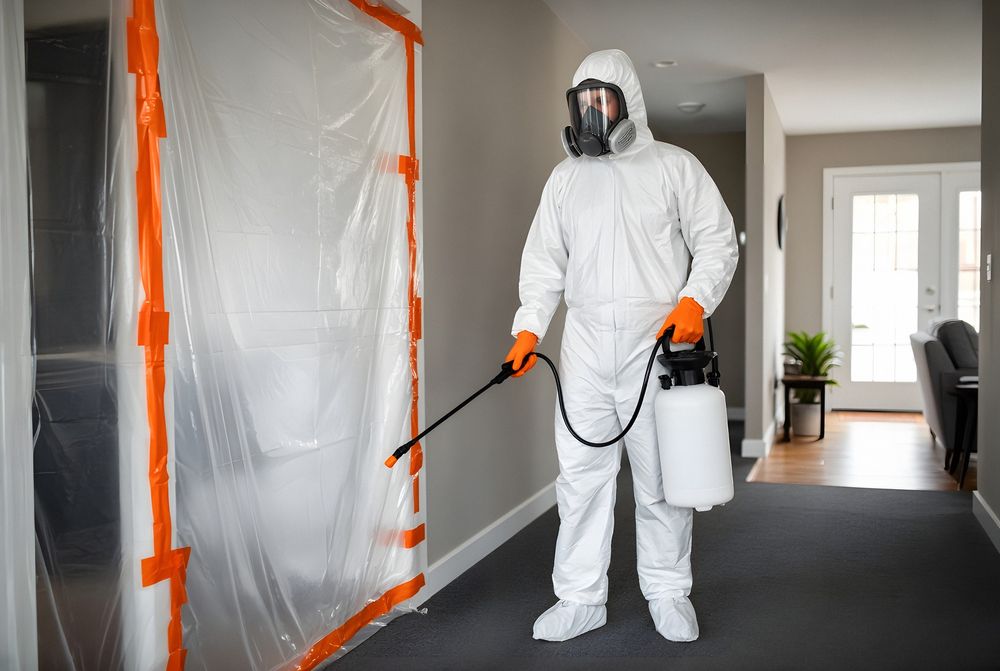
If the death happened at home, the family will likely not be able to return to that area until investigators release it. Even after release, they shouldn't be the ones to clean it. Blood and bodily fluids pose health risks, often spread farther than they appear, and the emotional toll of cleaning up after a loved one's death can be severe.
Practical help:
- Find somewhere for the family to stay for a few days if needed.
- Arrange professional cleanup once the scene is released. A reputable company will explain the process, work discreetly and recover personal items.
- Secure the home if doors or windows were damaged.
- Gather essentials, such as medications, clothing and phone chargers, from unaffected parts of the home, with permission.
Belongings
Families often worry about specific items: phones, wallets, jewelry, photos, documents, a favorite piece of clothing. Ask the family what matters and pass the list to the cleanup company. Items can be recovered, cleaned where possible and returned. Families don't have to make decisions about everything else right away; belongings can be packed and stored until they're ready.
Some items may be held by investigators. A victim advocate or the investigating agency can explain how to request their return.
Paperwork and calls
In the first weeks, the family will deal with a funeral home, death certificates, insurance, employers, banks and possibly an estate. Helpful tasks for friends:
- Keep a folder of documents and a call log.
- Help request certified death certificates through the funeral home.
- Help notify employers, schools and others.
- Help locate wills, insurance policies and account information.
Paying for cleanup and other costs
Insurance. Homeowner and renter policies often cover cleanup after sudden events. The family or estate should report the loss to the insurer.
Crime victim compensation. If the death resulted from a crime, every state has a victim compensation program, supported in part by federal funds administered through the Office for Victims of Crime. Depending on the state and circumstances, these programs can help with funeral costs, counseling, lost wages and crime scene cleanup. A victim advocate can help with the application. Many programs have deadlines, so ask early.
The estate. Cleanup costs related to the deceased person's property may be paid by the estate.
Children
Children understand more than adults expect, and they grieve in different ways. Use simple, honest language appropriate to their age. Keep routines where possible. School counselors, pediatricians and grief programs for children can help. Avoid letting children see the affected area before it's cleaned.
After a suicide
Families who lose someone to suicide often face guilt, unanswered questions and stigma on top of grief. Support groups for suicide loss survivors can help. If anyone in the family has thoughts of suicide, call or text 988, the Suicide and Crisis Lifeline, which is available 24 hours a day. Language matters: saying someone "died by suicide" is gentler than older phrases.
After a homicide
Families of homicide victims may be involved in a criminal case for months or years. Victim advocates in police departments and prosecutors' offices can explain the process, help with compensation, and keep the family informed.
Long-term support
Grief after a traumatic death can include intrusive memories, trouble sleeping, anger, numbness and difficulty functioning. These are common. Grief counseling, trauma-informed therapy and support groups help many people. Encourage the family to accept help, and check in after the funeral, when visits often stop.
What not to do
- Don't push for details about what happened.
- Don't offer explanations or judgments.
- Don't clean the scene yourself as a favor.
- Don't make major decisions for the family without asking.
How a cleanup company can help
A good cleanup company does more than remove contamination. It answers questions plainly, works on the family's schedule, keeps the work private, searches carefully for belongings, provides documentation for insurance or compensation, and treats the home and the person who died with respect.
Key takeaways
Families after a traumatic loss need practical help: a place to stay, someone to handle calls and paperwork, professional cleanup instead of doing it themselves, careful recovery of belongings, and help applying for insurance and victim compensation. Grief support, including 988 for anyone in crisis, should be part of the plan.
Sources
- Office for Victims of Crime: Crime Victim Compensation
- OSHA: Bloodborne Pathogens and Needlestick Prevention
This guide is general information. It is not legal, medical, environmental or safety advice. Rules vary by state and locality. For a specific situation, consult the relevant agency or a qualified professional.