Crime Scene & Trauma Cleanup
Blood, bodily fluids and affected materials removed after violent crimes, suicides, accidents and injuries, with discreet, documented decontamination.
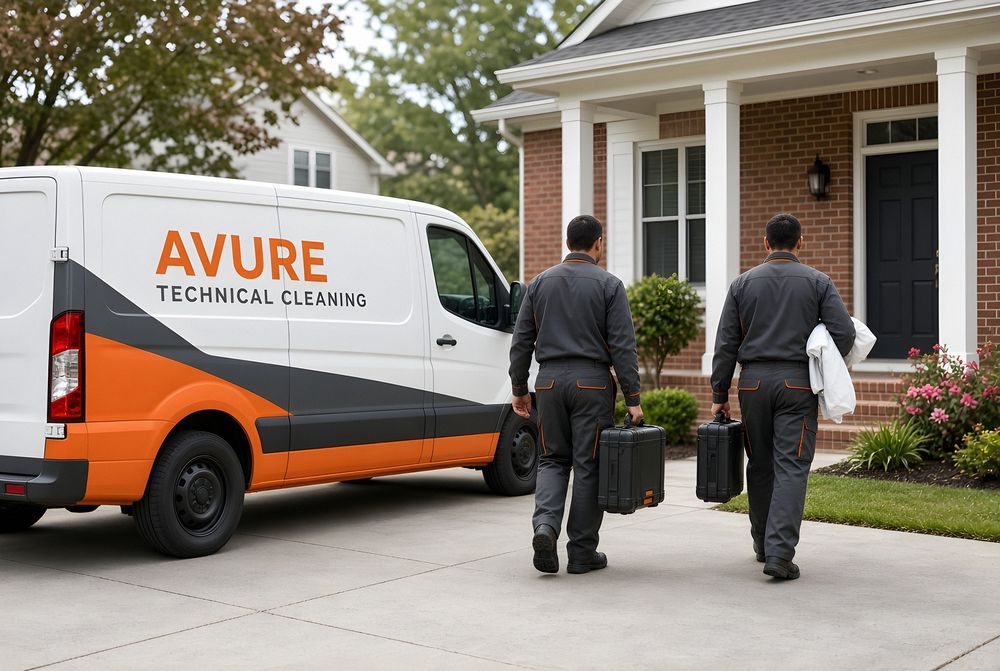
Discreet remediation for homes, rentals, businesses and vehicles in Locust, Stanly County: trauma and unattended death cleanup, drug residue remediation, hoarding cleanup and specialty decontamination.
Avure Technical Cleaning arranges biohazard remediation, crime scene and trauma cleanup, unattended death cleanup, drug residue remediation and specialty technical cleaning for properties in Locust, North Carolina.
Locust is a city in Stanly County and Cabarrus County, with an estimated 5,992 residents in 2024.
Service in Locust is coordinated remotely; Avure has no physical office in the community. When you contact us, we confirm availability, timing and the qualified crew for your project.

Sources: Census Bureau Vintage 2024 Population Estimates (SUB-EST2024); U.S. Census Bureau, American Community Survey 5-Year Estimates (2020-2024).
Most homes in Locust are owner-occupied (about 87%). In owner-occupied homes, the person calling is often a family member settling a loved one's affairs. Those projects tend to need careful handling of personal belongings and documents along with the remediation itself.
Detached single-family homes make up about 85% of Locust's housing stock. In a detached house, fluids and odors often reach subflooring, crawlspaces or basements, and forced-air systems can move odor or residue through the whole home. Those areas are assessed before scope and cost are set.
Manufactured and mobile homes account for about 8% of housing units in Locust. These homes often use particleboard subfloors, a belly wrap under the floor, and ductwork that runs beneath the living space. Those materials absorb fluids and residue readily, so removing them is often part of the scope rather than an add-on.
Much of Locust's housing is relatively new; the median home was built around 2006. Newer homes typically have drywall, engineered flooring and sealed HVAC systems, which makes it easier to remove affected sections precisely and verify the result.
The services below are ordered by how Locust's population, housing mix and North Carolina's regulations affect what owners usually need. Each page explains the work, its limits and the safety considerations.
Blood, bodily fluids and affected materials removed after violent crimes, suicides, accidents and injuries, with discreet, documented decontamination.
When a death goes undiscovered, fluids, odor and insects affect the structure. We remove what's affected and restore the space to a clean, odor-free condition.
Assessment, removal, disinfection and proper disposal for blood, bodily fluids, sharps, infectious materials and contaminated property.
Testing coordination and decontamination for meth, fentanyl and other drug residue in homes, rentals, hotels, commercial spaces and vehicles.
Respectful, judgment-free cleanup of hoarded and severely neglected homes: sorting, removal, sanitation and odor control.
Professional odor removal that finds and removes the source, then treats what's left in the air and in building materials.
Decontamination of subfloor, joists, slab and framing when contamination has gone below the surface.
Sampling, cleaning or replacement of ducts and air-handling components that carry drug residue between rooms.
Help navigating state quarantine and registry processes, from certified testing to the documentation needed for release.
North Carolina General Statute § 130A-284 and 10A NCAC 41D set decontamination standards for property used to make methamphetamine. These include a pre-decontamination assessment submitted to the local health department before the property is reoccupied. The State Bureau of Investigation notifies property owners and local health departments when a lab is seized.
If a Locust property is under a state drug-lab order or listed on a state registry, only parties holding the credential required by North Carolina may perform the regulated testing or decontamination. For those projects we arrange appropriately credentialed professionals and give you their credential information before work begins.
Blood and other potentially infectious materials are handled under OSHA's Bloodborne Pathogens Standard. Regulated medical waste is packaged and transported for disposal according to state and local rules.
No. Avure Technical Cleaning does not have an office in Locust. Our coordination team arranges service for Locust and the surrounding area, and the work is performed by qualified field partners. We confirm availability and timing for each request.
North Carolina General Statute § 130A-284 and 10A NCAC 41D set decontamination standards for property used to make methamphetamine. These include a pre-decontamination assessment submitted to the local health department before the property is reoccupied. The State Bureau of Investigation notifies property owners and local health departments when a lab is seized. We will tell you which credentials apply before any regulated work is scheduled.
It depends on the property and the cause. Homeowner and commercial property policies may cover some biohazard cleanup, depending on the policy terms and how the damage occurred. For rentals, the property owner usually arranges remediation. We can provide the documentation insurers commonly request, but coverage decisions belong to your insurer.
Cost depends on how far the contamination has spread, which materials are affected and whether they can be cleaned or must be removed, waste volume and disposal requirements, any testing that is needed, and access. Pricing is not quoted before the situation is understood. A coordinator can explain the factors on the first call.
Keep people and pets out of affected areas, and don't try to clean blood, bodily fluids, drug residue or decomposition yourself. If law enforcement or a medical examiner is involved, wait until the scene is released. Turning off forced-air heating or cooling can keep odor and residue from spreading.
Confidential conversation. Clear explanation of options before any work begins.