The leak you can smell but not see
Drain lines under a home can crack, separate or break, especially in older homes with cast iron or clay pipe. Sewage then drains into the crawlspace for weeks or months before anyone notices. The usual clue is a persistent sewer odor in the home, especially in warm weather or when the HVAC runs, since many crawlspaces hold ductwork and equipment.
Why it matters
Sewage in a crawlspace soaks into soil, vapor barrier, insulation and wood framing. It raises humidity, which can lead to mold and wood rot, attracts insects and rodents, and lets odor and contaminants reach living spaces through gaps and ducts.
How the work is done
- Repair first. A plumber repairs the broken line. Cleanup before repair just invites a repeat.
- Assess the extent of contamination and check ductwork and equipment in the space.
- Remove contaminated vapor barrier, insulation and debris.
- Remove contaminated soil where sewage saturated it, or treat and cover it, depending on the extent.
- Clean and disinfect joists, beams, subfloor, piers and ductwork exteriors.
- Dry the crawlspace with dehumidification.
- Install new vapor barrier, or coordinate with your crawlspace contractor.
- Address HVAC if contamination or odor reached ducts.
- Document with photos.
Working conditions
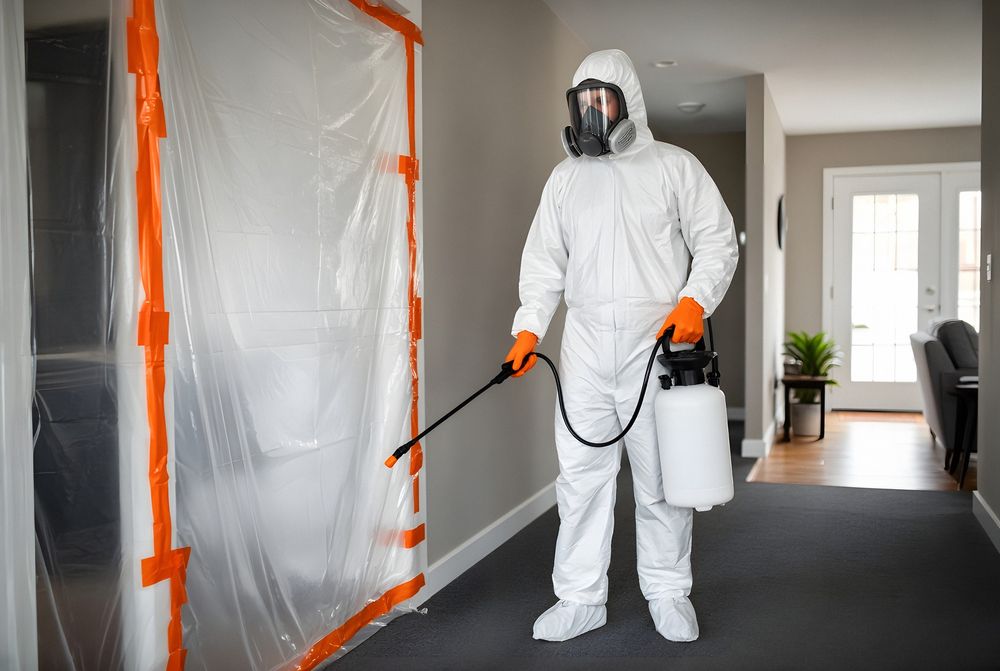
Crawlspaces are tight and hard to work in, with sewage, sharp debris and possible pests. Crews use protective equipment and plan the work for safe access.
Common questions
How do I know if there's sewage in my crawlspace?
A sewer odor that comes and goes, high humidity, flies or a wet, dark area visible through a crawlspace vent are common signs. Have a plumber inspect the drain lines.
Do you replace the vapor barrier?
We can coordinate installation, or your crawlspace contractor can install it after cleanup.
Is crawlspace sewage covered by insurance?
Sudden pipe breaks may be covered. Long-term leaks may not be. Check your policy.