Keeping the business running
A sewage backup in a commercial building can close restrooms, shut down a kitchen, force tenants out of offices or affect several apartments at once. Businesses need cleanup that's fast, contained and well documented for owners, tenants and insurers.
Common commercial sewage events include:
- Main line blockages backing up into floor drains and restrooms
- Grease trap and kitchen drain backups in restaurants
- Lift station or ejector pump failures
- Broken drain lines in walls, ceilings and under slabs
- Municipal sewer backups during heavy rain
How the work is done
- Stop the source with your plumber or building engineer.
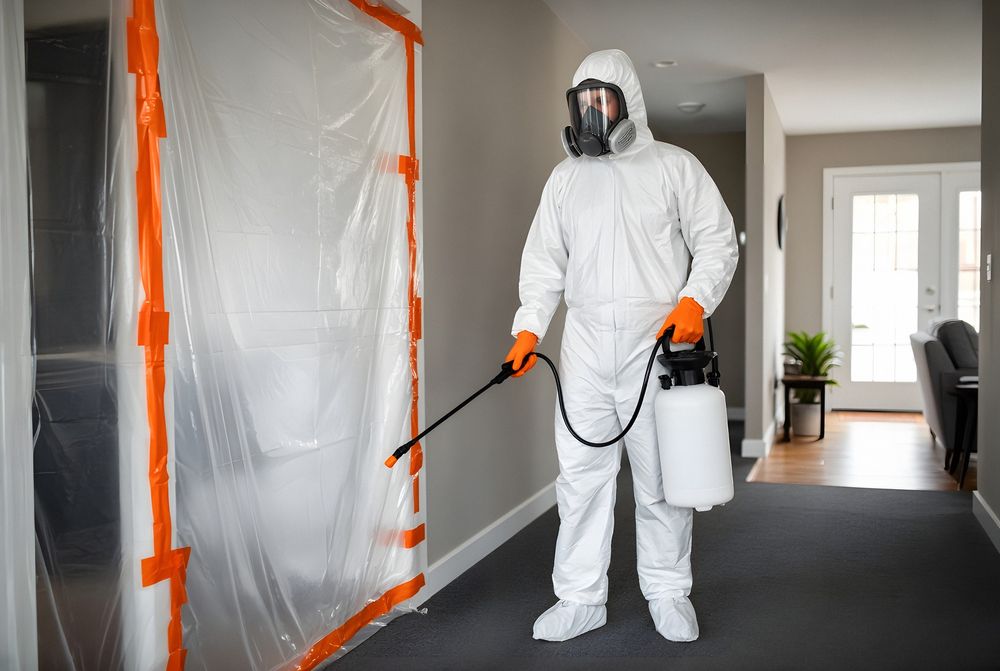
- Contain the area to keep sewage and odor from spreading, and route occupants away.
- Extract sewage and standing water.
- Remove contaminated carpet tiles, drywall, ceiling tiles, insulation and porous materials.
- Clean and disinfect hard surfaces, fixtures and structure.
- Dry with commercial dehumidification.
- Document affected areas by tenant or space for insurance and lease purposes.
Restaurants and food service
Sewage in kitchens or food storage areas raises food safety concerns. Food and packaging that contacted contaminated water must be discarded, and the health department may require inspection before reopening.
Healthcare and sensitive spaces
In clinics and care settings, cleanup is coordinated with infection prevention, and work is contained to protect patients.
After hours
We can work overnight and on weekends to minimize business interruption.
Common questions
Can our tenants stay open?
Unaffected areas often can, with the affected area contained.
Who's responsible: landlord or tenant?
That depends on the lease and the cause. Our documentation separates areas and causes as clearly as possible.
Do you handle the plumbing repair?
No. Your plumber or building engineer repairs the cause. We handle the cleanup.