Floodwater is contaminated water
Water that rises from rivers, streams, storm surge or overland flow carries sewage, chemicals, fuel, agricultural runoff and debris. Under industry standards, it's treated as Category 3 water. Homes and businesses reached by floodwater need more than drying: affected porous materials usually have to be removed, and everything left must be cleaned and disinfected before rebuilding.
Safety before cleanup
- Wait for officials to say it's safe to return.
- Turn off power at the main if it's safe to do so, or have the utility or an electrician do it. Never stand in water to operate electrical equipment.
- Watch for gas leaks, structural damage, snakes and other animals.
- Never run generators or fuel-burning equipment indoors. Carbon monoxide kills people after floods every year.
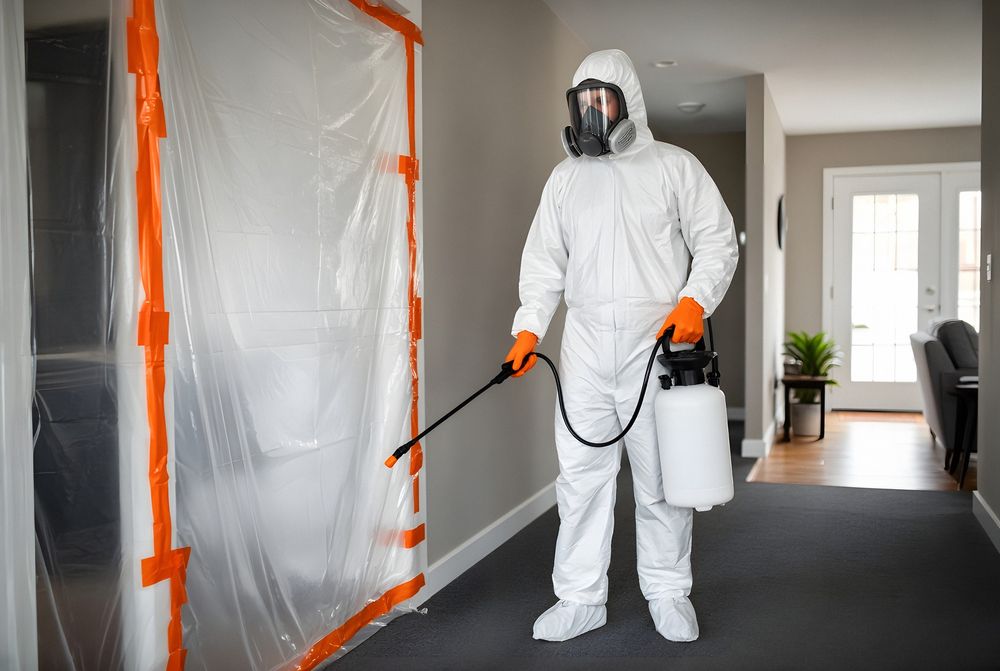
- Wear protective gear: boots, gloves and eye protection.
How the work is done
- Document damage with photos for insurance before removal begins.
- Remove mud, standing water and debris.
- Remove flood-affected drywall, insulation, flooring, carpet and porous contents.
- Clean remaining structure to remove mud and residue.
- Disinfect surfaces.
- Dry the building thoroughly with dehumidification, verified with moisture readings, before rebuilding to prevent mold.
- Hand off to reconstruction.
Flood insurance
Standard homeowner policies generally exclude flood. Flood coverage typically comes from the National Flood Insurance Program or private flood policies, which have their own documentation requirements. Photograph everything and keep samples of materials if your adjuster asks.
Contents
Some contents can be cleaned and restored. Others, such as mattresses, upholstered furniture, and food exposed to floodwater, should be discarded. See contents cleaning and pack-out.
Common questions
How soon should cleanup start?
As soon as it's safe. Mold can start growing within a day or two in wet materials.
Can I just dry the drywall?
Floodwater-soaked drywall and insulation are generally removed, not dried.
Do you work after regional disasters?
Capacity during widespread disasters is limited for every company. Contact us to check availability.