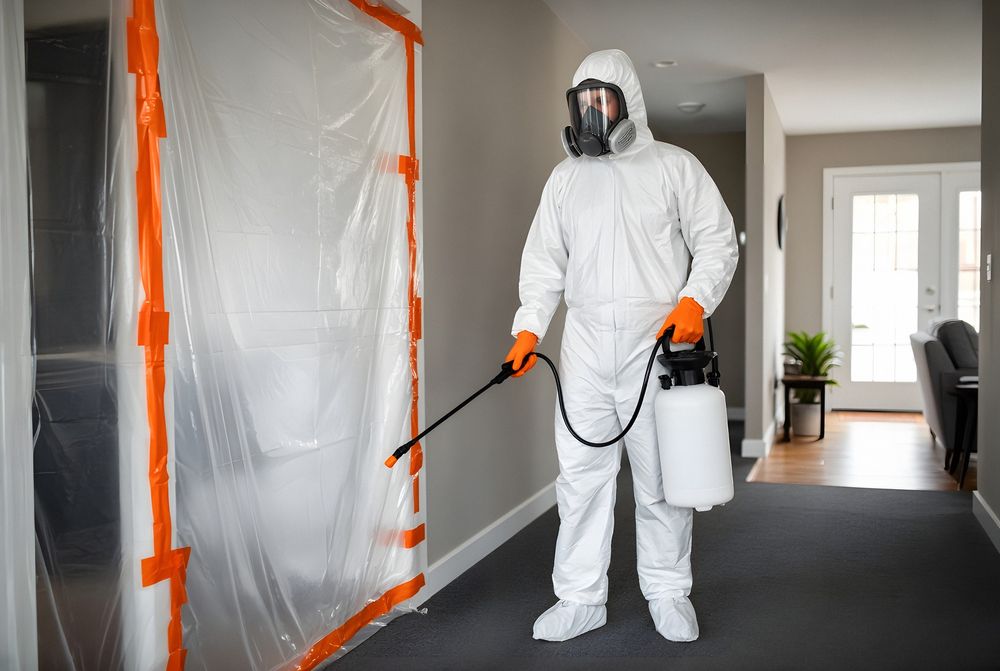
Reopening safely after a crime on your property
Robberies, assaults, shootings and other crimes at a business leave owners with a damaged site, shaken employees and pressure to reopen. Customers, guests, tenants and staff may all be affected, and how the business responds can shape its reputation.
What we support
- Retail stores, convenience stores and shopping centers
- Restaurants, bars and entertainment venues
- Hotels and motels, including guest rooms and common areas
- Office buildings and corporate campuses
- Banks and financial branches
- Parking garages, lots and building exteriors
- Healthcare, education and government facilities
How we run commercial projects
- Single coordinator. One point of contact from intake through documentation.
- Release confirmation. We start only after law enforcement has released the scene.
- Isolation and signage. Affected areas are closed off so employees and the public stay clear.
- Scheduling. Work is planned around operations, including off-hours work where practical and appropriate.
- Remediation. Blood and fluid removal, removal of contaminated materials, disinfection, and investigative residue removal.
- Waste handling under regulated-waste rules.
- Documentation for insurers, risk management and internal records.
Your employees
OSHA's Bloodborne Pathogens Standard governs employer obligations where workers have occupational exposure to blood. Assigning untrained staff to clean a crime scene can expose them to bloodborne pathogens and to psychological harm. Using a specialized contractor protects your people.
Communications
We follow your communication protocol. Crews we coordinate don't speak with media, customers or bystanders about the job. If you want work done without marked vehicles or other visible branding, ask.
Preparing ahead
Businesses at higher risk, such as late-night retail, hospitality and multi-site operators, benefit from a pre-arranged response: who calls us, who authorizes work, and how areas are secured. Our workplace biohazard response plan guide walks through this.
Common questions
Can you work after hours?
Yes, where it's practical and appropriate. Overnight or before-opening work keeps the incident out of sight of customers and staff.
Do you provide documentation for our insurer?
Yes. You receive a written scope, before-and-after photographs, a completion record and waste-handling documentation in a form adjusters commonly request.
What should employees do before you arrive?
Keep the area closed and out of view, don't let staff clean blood or bodily fluids, and keep everyone away from broken glass or damaged fixtures. If the scene hasn't been released, follow law enforcement's instructions.