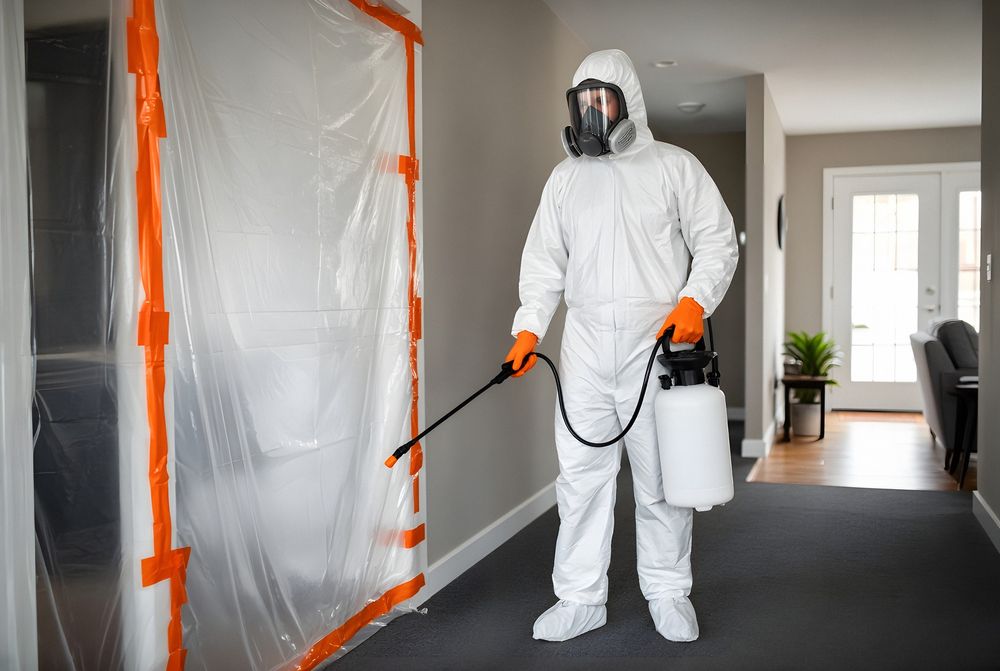
A shooting, stabbing, assault or other violent incident at a business is traumatic for everyone involved: employees, customers, managers and the wider community. In the hours and days afterward, leaders have to protect people, cooperate with investigators, restore the space and decide when and how to reopen. This guide outlines the key steps.
Immediate priorities
- Life safety first. Call 911, follow emergency plans, and help the injured only if it's safe to do so.
- Account for people. Know who was on site and confirm everyone's safety.
- Secure the scene. Keep employees and customers away from the affected area, and don't move or clean anything.
- Cooperate with police. Provide access, video footage and witness information as requested.
- Designate a point of contact for police, media, employees and families.
While the scene is under investigation
Investigators may hold the area for hours or days. During that time:
- Communicate with employees about what happened, what's expected of them, and where to get support.
- Arrange employee support, such as an employee assistance program or crisis counselors.
- Notify your insurer about property damage, business interruption and cleanup.
- Line up a cleanup company so work can start as soon as the scene is released.
- Plan for alternate operations if you can operate elsewhere or partially.
Don't use employees for cleanup
After a violent incident, the affected area may contain blood, bodily fluids, tissue, broken glass and investigative residue. OSHA's Bloodborne Pathogens Standard requires employers whose employees have occupational exposure to blood to have an exposure control plan, training, protective equipment and hepatitis B vaccination. Most janitorial staff aren't covered or equipped for this kind of event, and many janitorial contracts exclude it.
There's also a human reason. Asking employees who knew the victims, or who witnessed the event, to clean up can deepen trauma. Professional crews work discreetly and remove all visible reminders.
What professional cleanup includes
- Assessment of where blood and fluids traveled, including flooring, furniture, walls and ceilings
- Removal of contaminated carpet, ceiling tiles, partitions, furniture and other porous materials
- Cleaning and disinfection of remaining surfaces
- Removal of fingerprint powder and investigative residue
- Exterior areas such as entrances and parking lots
- Proper disposal of regulated waste
- Documentation for insurance, OSHA records and incident files
Work can often be scheduled after hours.
Communicating with employees
Employees need clear, honest information and reassurance. Share what you can about what happened, what's being done, when the space will be cleaned and reopened, and how to access support. Give employees options where possible, such as time off or remote work, and recognize that reactions vary widely.
Communicating with customers and the public
Keep public statements factual and respectful of victims and families. Coordinate with law enforcement before releasing details. Let customers know when you'll reopen and what's being done to ensure safety.
Reopening
Before reopening:
- Confirm cleanup is complete and documented.
- Repair damage, including doors, windows and fixtures.
- Consider changes to the physical space so employees aren't confronted with reminders.
- Review security measures with your security provider or law enforcement.
- Offer a walkthrough to employees before customers return, if appropriate.
Some businesses reopen within days; others take longer. Listen to your employees.
Supporting managers
Managers carry a heavy load after an incident: answering questions, making decisions and often grieving themselves. Make sure supervisors have a clear chain of command, access to the same support resources as employees, and permission to step back when they need to. Brief them on what they can say to staff and customers so messages are consistent.
Customers and witnesses
Customers who witnessed the incident may contact the business later with questions or concerns. Keep a record of those contacts and share them with investigators as appropriate. Avoid speculating about events or fault, and refer media inquiries to your designated spokesperson.
Reviewing your plans
After an incident, review emergency procedures, communications, security and your relationships with vendors. Add a biohazard cleanup provider to your emergency contact list, and make sure managers know whom to call.
Preparing before anything happens
The best time to plan is before an incident. Useful steps include a written emergency action plan, training on lockdown and evacuation, clear roles for managers, an updated contact list for law enforcement, your insurer, your security provider and a biohazard cleanup company, and a communications template for employees and customers. Practicing the plan once a year helps people act calmly when it matters.
OSHA recordkeeping
Employee injuries from workplace violence may be recordable on OSHA injury and illness logs, and serious injuries or fatalities have reporting deadlines. Consult your safety professional or counsel.
Insurance
Commercial property policies may cover cleanup, repairs and business interruption, depending on the policy. Workers' compensation covers employee injuries. Report promptly, document everything, and keep receipts.
Key takeaways
After a violent incident, protect people, cooperate with investigators, and support employees. Don't assign employees to clean up blood and bodily fluids; use a professional provider who can work discreetly and document the work. Communicate clearly, plan reopening with employees in mind, and update emergency plans so the next response is faster.
Sources
- OSHA: Bloodborne Pathogens and Needlestick Prevention
- OSHA: 29 CFR 1910.1030, Bloodborne Pathogens Standard
- Office for Victims of Crime: Crime Victim Compensation
This guide is general information. It is not legal, medical, environmental or safety advice. Rules vary by state and locality. For a specific situation, consult the relevant agency or a qualified professional.