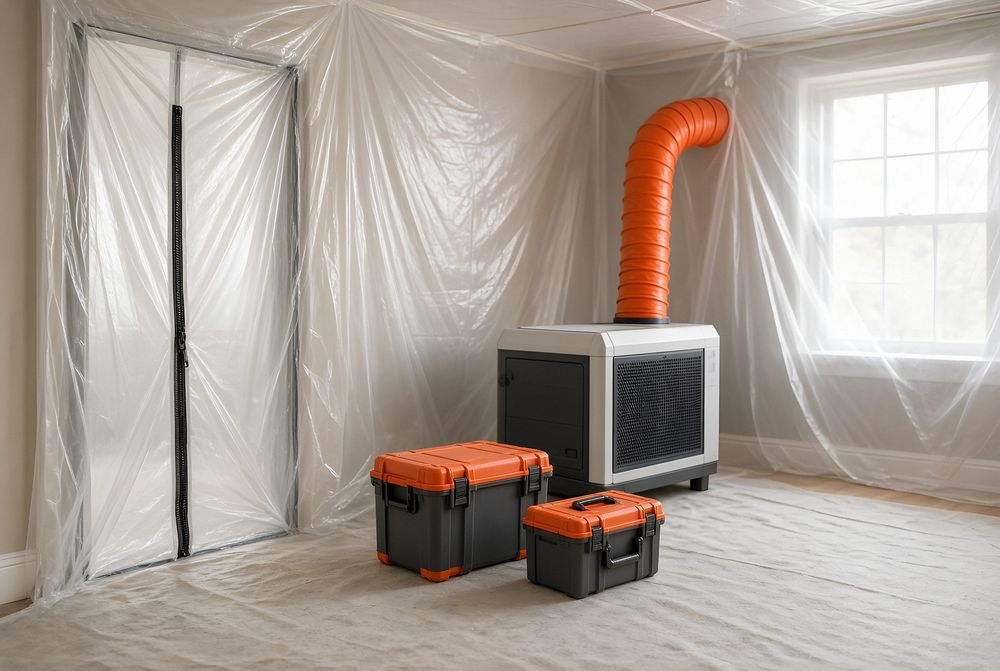
Opioid scenes call for caution
Today's illicit opioid supply is dominated by fentanyl and its analogs. Much of what is sold as heroin contains fentanyl, or is fentanyl. Any property where opioids were used, stored or packaged should be cleaned as if fentanyl may be present. That doesn't call for alarm. It calls for proper procedures.
Opioid-related scenes often involve used needles and syringes, cookers, foil, straws and packaging, along with residue on surfaces and fabrics. Some follow an overdose, which may also leave bodily fluids behind.
What the cleanup covers
- Sharps. Needles and syringes are collected with tongs into puncture-resistant containers and disposed of properly. Searches include couch cushions, mattresses, drawers, bathrooms, vehicles and outdoor areas.
- Paraphernalia. Foil, spoons, cookers, pipes, straws, baggies and other items are bagged for disposal.
- Bodily fluids. Where an overdose or death occurred, blood, vomit and other fluids are remediated as a biohazard.
- Residue. Hard surfaces are wet-cleaned with detergent, using no dry sweeping or household vacuuming. Heavily affected porous items are removed.
- HVAC and ventilation. Filters are replaced, and affected components cleaned.
- Documentation for owners, managers or insurers.
Protective approach
Technicians wear gloves, skin and eye protection and respiratory protection suited to the work, and they decontaminate when leaving the area. Wet cleaning methods keep particles out of the air. These practices follow the approach in EPA's 2021 voluntary guidance chapter on fentanyl and in occupational guidance for responders.
If you find drugs or someone in distress
Don't touch powders, pills or paraphernalia. If someone is unresponsive or breathing slowly, call 911. Naloxone can reverse opioid overdose and is widely available, often without a prescription. Many pharmacies and health departments distribute it.
For landlords and families
After an overdose or a tenant's long-term drug use, families and property owners often don't know where to start. We'll assess the property and explain what needs to be removed and cleaned before anyone moves back in.
Common questions
Is it dangerous to walk into a room where someone used heroin?
Brief, incidental skin contact with residue is considered very unlikely to cause overdose, according to medical toxicology societies. Still, avoid touching anything, keep children and pets out, and leave cleanup to professionals.
Do you test for fentanyl?
Testing can be coordinated, but there is no established clearance standard. See our fentanyl testing page for what results can and can't show.