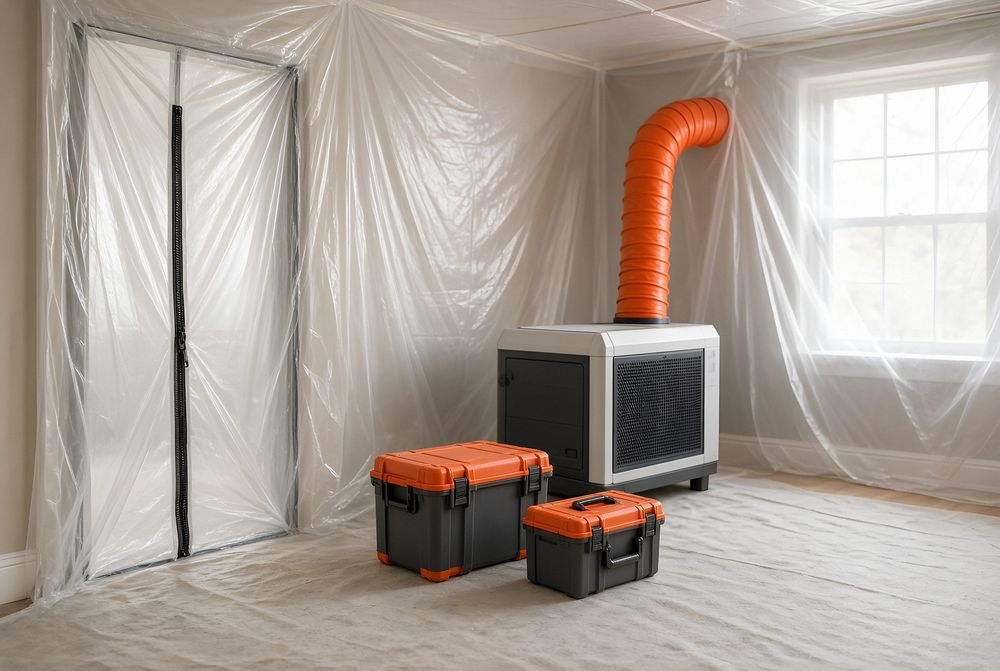
Understanding cocaine residue in buildings
Cocaine powder and crack cocaine leave residue where they are used, stored, cut or packaged. Smoking crack deposits residue on nearby surfaces and in HVAC components, much as other smoked drugs do. Powder use and handling leaves fine particles on tables, counters, mirrors, carpet and upholstery. Cocaine is often cut with other substances, and it is increasingly found with fentanyl contamination. That matters for safety planning, because what looks like a cocaine-only scene may not be one.
There is no widely adopted numeric cleanup standard specific to cocaine residue in homes like the standards some states set for methamphetamine. Cleanup decisions therefore rest on the history of the property, visible evidence, testing where it's useful, and conservative practice.
When cleanup is warranted
- A rental or hotel room after known or suspected drug activity
- A property bought or inherited with evidence of use or dealing
- Vehicles used for transport or use
- Commercial spaces such as restrooms, storage rooms and back offices where residue or paraphernalia is found
- After law-enforcement activity at a property
How the work is done
- History and assessment. What activity occurred, where and for how long. We look for paraphernalia, staining and residue.
- Safety planning. Because of the risk of fentanyl adulteration, technicians use protective equipment suited to potent drug residue and avoid dry methods that could make particles airborne.
- Paraphernalia removal. Pipes, scales, packaging and sharps are collected and disposed of properly.
- Porous materials. Carpet, upholstery, mattresses and fabrics in areas of heavy use or handling are typically removed.
- Surface washing. Hard surfaces are washed with detergent and rinsed, from top to bottom and room by room.
- HVAC. Filters are replaced, and registers and ducts in affected zones are cleaned.
- Testing, where it is useful for documentation or required by a transaction.
- Documentation of conditions and work performed.
Tell us what you know
The more you can tell us about what happened, the more precisely the work can be scoped. You don't need to provide information about anyone's identity, only the property conditions.
Common questions
Is cocaine residue dangerous to occupants?
Residue levels from typical use are usually low, but young children, who touch surfaces and put their hands in their mouths, are the main concern. Adulterants, especially fentanyl, raise the stakes. Cleaning before reoccupancy is the prudent course.
Can you test for cocaine?
Surface sampling for cocaine and other drugs is available through accredited labs. We can coordinate it when a documented result is needed.