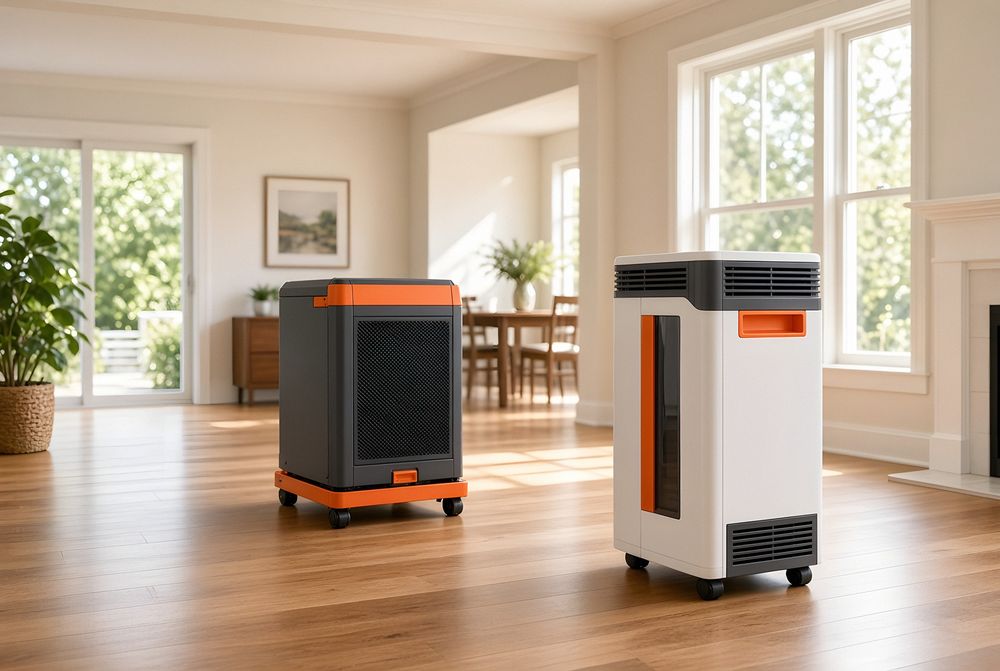
How thermal fogging works
A thermal fogger heats a deodorizing solution into a fine fog that behaves much like smoke. It travels into cracks, wall cavities, fabrics and other places smoke reached, and the deodorant particles counteract odor molecules there. That's why thermal fogging is most closely associated with smoke odor, and why it can also help with other odors that penetrated porous materials.
When it's useful
- After heavy cigarette smoking, once surfaces have been washed
- After small fires, as part of a broader smoke cleanup
- In vehicles with smoke or other penetrating odors
- As a finishing step after decomposition or urine source removal
Safety
Thermal fogging produces a dense fog and uses solvent- or water-based deodorant products. The space must be vacated, with pets removed and smoke detectors and ignition sources managed according to the product and equipment instructions, and then ventilated before reentry. Fogging is done only by trained technicians.
Our process
- Source removal and cleaning first. Fogging doesn't replace washing.
- Prepare the space: close openings, protect sensitive items, manage HVAC and detectors.
- Fog with a product chosen for the odor type.
- Dwell time, then ventilation.
- Verify and repeat if needed.
Fogging vs. disinfection fogging
Deodorization fogging is different from disinfectant fogging. Fogging a disinfectant for sanitizing claims requires a product labeled for that application. See fogging disinfection services.
Common questions
Will fogging leave a smell?
There may be a mild product scent for a short time, which fades with ventilation.
Can fogging damage belongings?
Properly used, it's generally safe for most contents. Sensitive items are protected or removed.
Is fogging enough for heavy smoke damage?
No. Washing surfaces and cleaning the HVAC system are essential. Fogging finishes the job.