More than a carpet shampoo
Pet odor builds up from several sources at once: urine in carpet, pad and subfloor, dander and oils in fabrics and ductwork, and saliva and dirt on walls and trim. Surface carpet cleaning removes some of it, but when urine has soaked in, or dander has built up in the HVAC system, the odor comes back. That matters to landlords turning over units, sellers preparing to list, buyers moving in, and anyone with allergies.
How we remediate pet odor
- Inspect with ultraviolet light and moisture meters to map urine deposits, including under furniture and along walls.
- Remove saturated carpet and pad where needed.
- Treat or replace affected subfloor and baseboards, and seal cleaned wood and concrete.
- Clean hard surfaces, including walls at pet height, trim and doors.
- HVAC. Replace filters, and clean returns, registers and accessible ductwork to remove dander.
- Clean remaining fabrics, or recommend replacement.
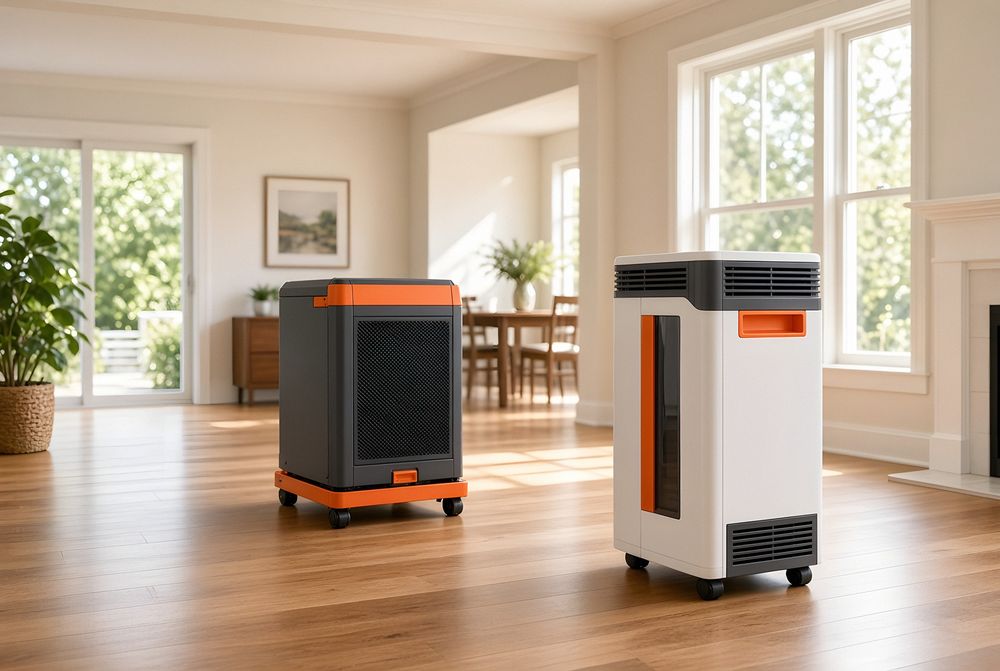
- Deodorize the air and verify.
For landlords
Pet odor is one of the most common turnover complaints. We document affected areas and work performed, which supports pet deposit and damage accounting under your lease and state law.
For buyers and sellers
Removing pet odor before listing helps a home show better. Buyers moving into a home with a pet history can have it remediated before move-in, especially if anyone in the household has allergies.
Common questions
Will an ozone treatment alone fix pet odor?
Rarely. Without removing urine-saturated materials, odor returns. Ozone is also used only in unoccupied spaces.
Can hardwood floors be saved?
Sometimes. Urine that sat in seams can stain and damage wood. Refinishing or board replacement may be needed.
Does this help with allergies?
Removing dander from HVAC systems and fabrics reduces allergens, but we don't make medical claims. Allergy sufferers should talk with their doctor.