Why smoke odor is so persistent
Years of indoor smoking coat every surface with a sticky residue of tar and nicotine, often called thirdhand smoke. It yellows walls and ceilings, settles into carpet, drapes and upholstery, and collects inside HVAC ducts. Odor compounds keep releasing from that residue, especially in warm, humid weather. Painting over it without cleaning lets the stains and odor bleed through.
Our process
- Assess surfaces, fabrics and HVAC, and decide what can be cleaned and what should be removed.
- Remove heavily affected soft goods such as carpet, pad, drapes and some upholstery, with approval.
- Wash surfaces top to bottom with degreasing cleaners: ceilings, walls, trim, cabinets, fixtures, windows and blinds.
- Clean the HVAC system. Replace filters, and clean ducts, registers and air-handler components.
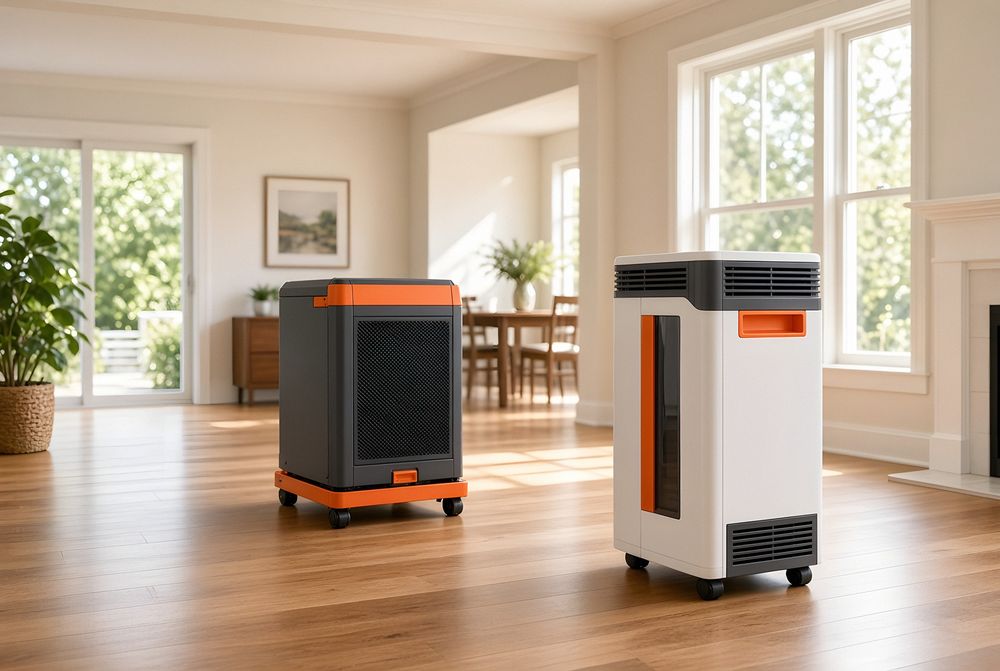
- Deodorize. Thermal fogging reaches where smoke traveled. Hydroxyl or ozone treatment follows where appropriate, with ozone only in unoccupied spaces.
- Seal. A stain- and odor-blocking primer goes on cleaned surfaces before painting.
- Verify after the space has been closed and warmed.
Small fires
Small kitchen or contents fires leave a different residue: protein, synthetic and wood smoke. The cleaning chemistry differs, but the principles are the same. Larger fires belong with fire restoration contractors.
Vehicles
Smoke odor in vehicles calls for cleaning the headliner, seats and carpet and treating the cabin air system. See vehicle odor removal.
Common questions
Will painting fix smoke odor?
Not by itself. Surfaces need washing, and then a sealing primer, before paint.
How long does it take?
Most homes take a few days, depending on size, the severity of the residue and how much material is removed.
Can furniture be saved?
Hard furniture can usually be cleaned. Upholstered items may respond to professional cleaning and deodorization. Heavily affected pieces are often more economical to replace.