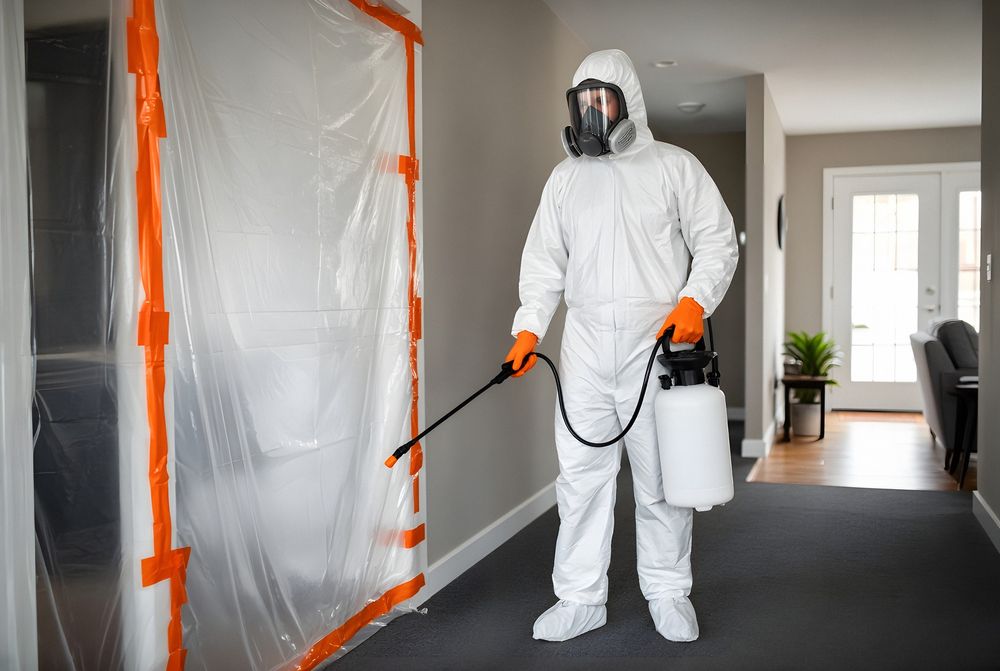
Regular cleaning and biohazard cleanup can look similar from the outside: people with spray bottles, mops and trash bags. They are built for different jobs. Regular cleaning removes everyday dirt and keeps a space presentable. Biohazard cleanup removes material that can transmit disease and restores a contaminated space to a safe condition, with the training, equipment and paperwork that requires.
This guide explains the differences and helps you decide which one a situation needs.
The goal is different
A janitorial or house cleaning crew aims for a space that looks and smells clean. Biohazard remediation aims for a space where contamination has been removed, including where it can't be seen. That means following fluids into subfloors, wall cavities and HVAC systems, removing materials that can't be decontaminated, and verifying the result.
Training and worker protection
Regular cleaners typically receive training on chemicals, equipment and routine procedures. Their employers may include basic bloodborne pathogen awareness if staff might encounter small spills.
Biohazard technicians work under an exposure control plan required by OSHA's Bloodborne Pathogens Standard. They are trained in how pathogens spread, protective equipment, decontamination procedures, sharps handling and waste packaging, and they are offered hepatitis B vaccination. Many also receive respiratory protection training, which requires medical clearance and fit testing under OSHA's respiratory protection standard.
Protective equipment
Regular cleaning usually calls for gloves and sometimes eye protection.
Biohazard work typically adds:
- Disposable coveralls, often with hoods and boot covers
- Chemical- and puncture-resistant gloves, often double-gloved
- Face shields or goggles
- Respirators, from N95 filtering facepieces to full-face air-purifying respirators, depending on the hazard
- Separate clean and dirty zones so contamination isn't tracked out
Methods
Regular cleaning works on surfaces: wipe, mop, vacuum, polish.
Biohazard cleanup follows a sequence:
- Assess where contamination went, including hidden spaces.
- Contain the work area with plastic sheeting and, where needed, negative air to keep contamination from spreading.
- Remove contaminated porous materials: carpet and pad, drywall, insulation, mattresses, upholstered furniture.
- Clean remaining surfaces to remove all visible soil and residue.
- Disinfect with EPA-registered products appropriate for the organisms, observing contact times.
- Deodorize at the source, after contamination is gone.
- Verify with inspection and, where useful, testing.
Ordinary vacuums, for example, can spread contamination. Biohazard crews use HEPA-filtered equipment, wet methods for droppings and dust, and tools that keep hands away from sharps.
Disposal
Household trash is fine for everyday cleaning waste. Biohazard waste may be regulated. Materials saturated with blood or certain fluids can qualify as regulated medical waste under state rules, which set packaging, labeling, transport and treatment requirements. Sharps go into rigid, puncture-resistant containers. A biohazard company arranges compliant disposal and can provide records.
Documentation
Biohazard projects are often tied to insurance claims, landlord-tenant matters, estates or workplace incident files. Professional remediation includes photos, a written scope of what was removed and why, waste records and, where performed, test results. Regular cleaning rarely produces this kind of documentation.
Odor
Regular cleaning products often mask odor. Biohazard remediation removes the source first. Odors from decomposition, urine or sewage come back when contaminated material remains, no matter how much air freshener is used.
Which one do you need?
Regular cleaning is usually fine for:
- Small, fresh spills of bodily fluids on hard surfaces, cleaned promptly with gloves and an appropriate disinfectant
- Routine restroom cleaning
- Everyday illness in a household, with careful disinfection of high-touch surfaces
Call a biohazard professional for:
- Blood or fluids that soaked into carpet, mattresses, upholstery or walls
- Any death that wasn't discovered right away
- Suicides, homicides, assaults and serious injuries
- Sewage or floodwater in living spaces
- Needles and sharps in quantity or in hidden places
- Large accumulations of animal droppings, especially in enclosed spaces
- Hoarding with biological contamination
- Drug residue or suspected drug manufacturing
Cost differences, and why
Biohazard cleanup costs more per hour than regular cleaning, and the reasons are concrete: protective equipment that is discarded after each use, specialized products and equipment such as HEPA air scrubbers, regulated waste disposal fees, slower working pace in full protective gear, and the training, medical surveillance and insurance that the work requires. When comparing quotes, make sure each one covers the same scope, including material removal, disposal and documentation. A low price that leaves contaminated pad or subfloor in place is not a bargain, because the odor and health risk stay.
Emotional considerations
There is a human side too. Cleaning up after the death or injury of someone you know is traumatic, and family members who attempt it often describe lasting distress. Professional crews are trained to work discreetly and to treat personal belongings with respect. For many families, handing the physical work to strangers is part of being able to grieve.
A note for businesses
Many janitorial contracts specifically exclude biohazard cleanup beyond small spills. Before an incident happens, check your contract and your own exposure control plan, and decide who you will call. Putting untrained staff in front of a large blood or bodily fluid event exposes them to risk and can create OSHA compliance problems.
Key takeaways
Regular cleaning keeps spaces presentable. Biohazard cleanup removes disease-carrying material, including what's hidden, with trained and protected workers, controlled methods, compliant disposal and documentation. For anything beyond a small, fresh spill on a hard surface, a biohazard specialist is the safer choice.
Sources
- OSHA: Bloodborne Pathogens and Needlestick Prevention
- OSHA: 29 CFR 1910.1030, Bloodborne Pathogens Standard
- OSHA: 29 CFR 1910.134, Respiratory Protection
- OSHA: 29 CFR 1910 Subpart I, Personal Protective Equipment
- EPA: Medical Waste
- EPA: Selected EPA-Registered Disinfectants
This guide is general information. It is not legal, medical, environmental or safety advice. Rules vary by state and locality. For a specific situation, consult the relevant agency or a qualified professional.