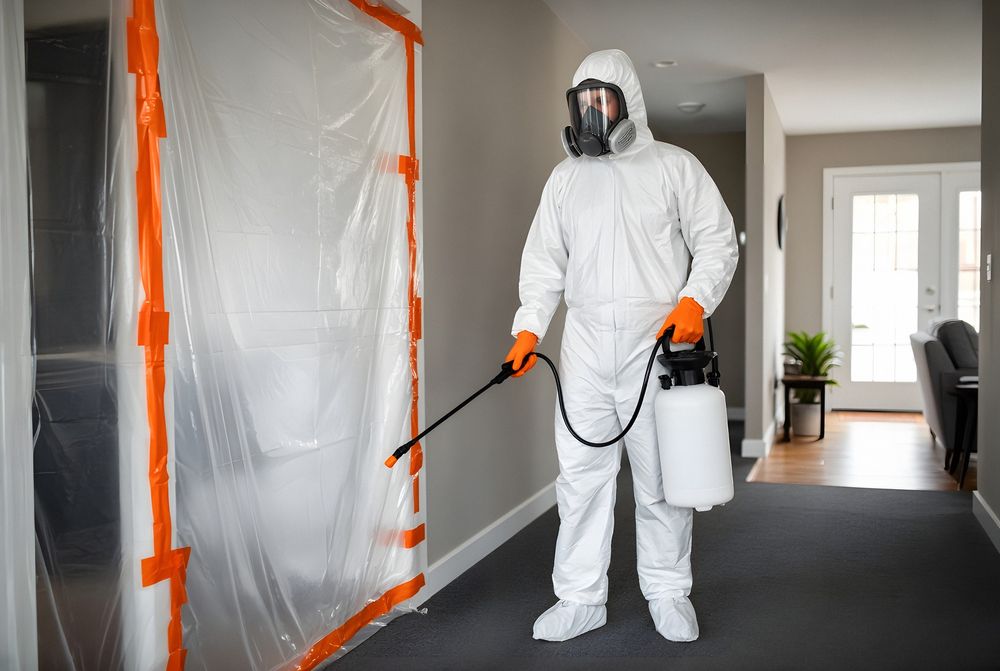
Biohazard cleanup produces waste: soaked carpet and pad, cut drywall, mattresses, used protective equipment, absorbent materials and sometimes sharps. Some of that waste is regulated, and handling it properly protects workers, waste haulers and the public. This guide explains the basics.
Who regulates biohazard waste
There isn't one national rulebook. Several layers apply:
- States regulate medical waste, often called regulated medical waste, infectious waste or biomedical waste. The EPA notes that medical waste is primarily regulated by state environmental and health departments, and that federal authority under the Medical Waste Tracking Act ended years ago. State definitions, packaging rules and treatment requirements differ.
- OSHA requires employers to handle regulated waste generated at work safely, with labeling, containment and sharps containers, under the Bloodborne Pathogens Standard.
- The U.S. Department of Transportation regulates the transport of regulated medical waste as a hazardous material, with packaging and labeling requirements.
- Local landfills and haulers set their own acceptance rules.
Because states differ, a professional company plans disposal according to the rules where the work is done.
What counts as regulated waste
OSHA's standard defines regulated waste to include liquid or semi-liquid blood or other potentially infectious materials, items that would release blood or infectious materials if compressed, items caked with dried blood that could release it during handling, contaminated sharps, and certain pathological and microbiological wastes.
In a cleanup project, that often includes:
- Carpet, pad, mattresses and upholstery saturated with blood or fluids
- Absorbent materials used to soak up liquids
- Tissue and other biological material
- Used needles and other contaminated sharps
Many items from a cleanup are contaminated but not saturated, such as lightly stained materials or used protective equipment. Depending on the state, these may be handled as ordinary solid waste once properly bagged, or treated more conservatively. The deciding factors are the state's definitions and professional judgment.
Sorting on site
Good waste handling starts in the work area. Crews separate:
- Sharps, placed immediately into rigid, puncture-resistant, leak-proof, labeled containers.
- Regulated waste, placed into red bags or containers labeled with the biohazard symbol, inside rigid outer containers for transport.
- Non-regulated debris, such as clean demolition material, bagged and handled as construction or municipal waste.
- Recyclables or salvage, where appropriate and clean.
Separating carefully keeps regulated waste volume, and cost, down while making sure nothing hazardous goes into ordinary trash.
Packaging and labeling
Regulated waste is typically double-bagged in red biohazard bags, sealed, and placed in rigid, leak-resistant outer containers that are closed and labeled. Packaging must hold liquids and resist tearing during handling. Containers carry the biohazard symbol and other markings required for transport.
Transport
Regulated medical waste is moved by transporters authorized to carry it under federal and state rules. In many states, transporters must be registered or permitted, and shipments travel with tracking paperwork, sometimes called a manifest or shipping record, that follows the waste to the treatment facility.
Treatment and final disposal
Regulated medical waste is treated to make it non-infectious before disposal. Common methods include:
- Autoclaving, which uses pressurized steam
- Incineration, used especially for pathological waste
- Alternative treatment technologies, such as chemical or microwave systems approved by the state
After treatment, the residue is usually disposed of in a landfill. Many states require treatment technologies to be approved or permitted.
Documentation you should receive
Ask for records that show how waste from your property was handled, including the transporter, the treatment facility and the dates. For insurance claims, landlord files, estates or workplace incident records, this documentation demonstrates that disposal was handled properly.
Household waste versus commercial cleanup waste
Many states exempt medical waste generated in an ordinary household, such as used bandages or home injections, from the rules that apply to healthcare facilities. Waste generated by a commercial cleanup company working at a property is a different matter, and companies generally handle it as regulated waste where state rules call for it. If you are cleaning a small incident yourself, double-bag contaminated materials, keep sharps in a sealed rigid container, and check your local solid waste authority's guidance.
Sharps disposal
Never put loose needles in household trash or recycling, where they can injure sanitation workers. Use a rigid, puncture-resistant container with a tight lid. Many communities have sharps drop-off programs, and pharmacies may provide guidance on local options.
Costs
Regulated waste disposal is billed by weight or container, and it is one of the line items that varies most between projects. Careful sorting keeps costs reasonable: clean demolition debris doesn't need to go into red bags, and saturated carpet pad does. If an estimate shows a large regulated waste charge, it's fair to ask how waste will be separated and why each category was chosen.
Why it matters
Improper disposal can expose waste workers to needlesticks and contamination, violate state law, and create liability for property owners and contractors. It also undermines the point of cleanup: contamination removed from your property shouldn't end up harming someone else.
Key takeaways
Biohazard waste is regulated mainly by states, with OSHA governing workplace handling and DOT governing transport. Crews sort sharps, regulated waste and ordinary debris on site, package regulated waste in labeled, leak-resistant containers, and send it with authorized transporters for treatment. Ask for disposal records as part of your project documentation.
Sources
- EPA: Medical Waste
- OSHA: 29 CFR 1910.1030, Bloodborne Pathogens Standard
- OSHA: Bloodborne Pathogens and Needlestick Prevention
This guide is general information. It is not legal, medical, environmental or safety advice. Rules vary by state and locality. For a specific situation, consult the relevant agency or a qualified professional.