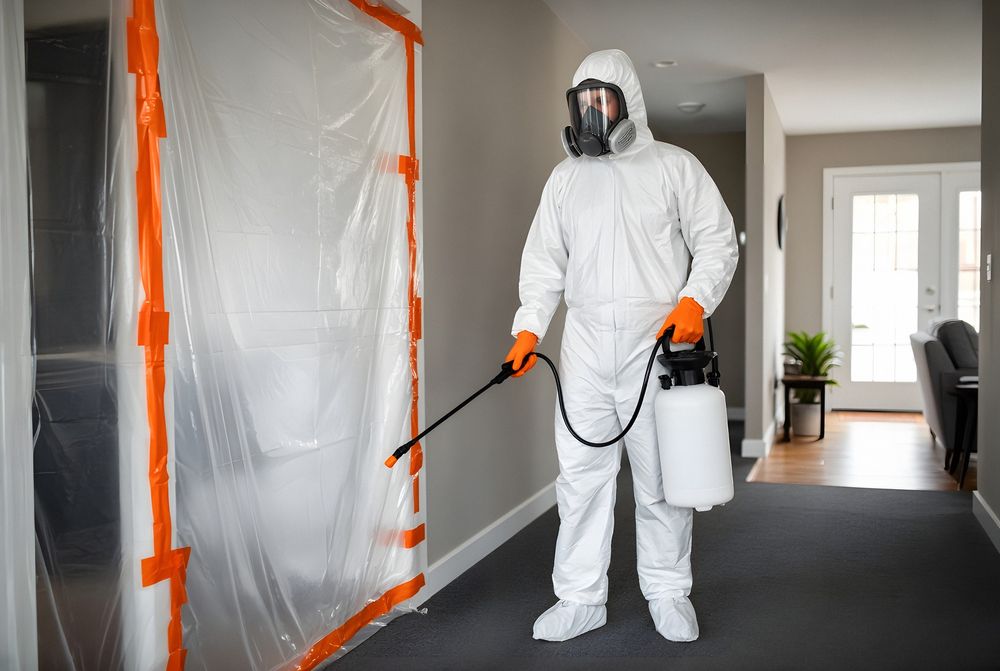
A biohazard is a biological material that can make people sick. The term covers living organisms such as bacteria, viruses, fungi and parasites, and the materials that can carry them: blood, bodily fluids, tissue, human and animal waste, and anything those materials have soaked into. For a property owner the practical meaning is simple. If a substance came from a living thing and could carry disease, treat it as a potential biohazard until someone qualified says otherwise.
This guide explains what falls into that category, how professionals judge the level of risk, and what it means for cleanup.
Common biohazards in homes and businesses
Most biohazards that property owners encounter fall into a handful of groups.
Blood and bodily fluids. Blood, vomit, urine, feces, semen, saliva mixed with blood, and fluids released during decomposition. Blood is the material most people think of first, and it is also the material most closely regulated in workplaces. OSHA's Bloodborne Pathogens Standard treats human blood and certain other body fluids as potentially infectious because they can carry hepatitis B, hepatitis C and HIV.
Decomposition. When a person or animal dies and is not found for some time, tissue breaks down and releases fluids and gases. Those fluids soak into flooring, mattresses and subfloors, and they support bacterial growth. Decomposition is both a biohazard and a source of very persistent odor.
Sewage and contaminated water. Sewage backups, toilet overflows that come from beyond the trap, and floodwater from rivers and storms carry bacteria, viruses and parasites. The water damage restoration industry classifies this as Category 3, the most contaminated class of water.
Animal waste. Rodent droppings and urine, bird and bat droppings, and raccoon feces each carry their own disease risks. Some of the organisms involved, such as hantavirus in rodent waste, Histoplasma fungus in old accumulations of bird and bat droppings, and raccoon roundworm eggs, are serious enough that federal health agencies publish specific cleanup instructions.
Sharps. Used needles and other sharp objects can transmit bloodborne disease through a puncture. They turn up in rental units, public restrooms, vehicles, parking areas and vacant buildings.
Medical waste. Bandages, dressings, tubing and supplies contaminated with blood or fluids, often found after home health care or a death at home.
Biohazards versus chemical hazards
Not every contamination is biological. Methamphetamine residue, fentanyl powder, chemical spills, fire suppression powder and smoke residue are chemical hazards. They need different protective equipment, different cleaning methods and, in some states, different legal procedures. Many real situations mix the two. A home where someone died after an overdose may have decomposition fluids, used syringes and drug residue in the same room. A good assessment identifies every hazard before work begins.
How risk is judged
Professionals don't treat every biohazard the same way. Several factors drive the level of precaution.
The type of material. Blood and decomposition fluids get bloodborne pathogen precautions. Dried rodent droppings call for wet methods because the risk is from breathing dust. Raccoon feces call for physical removal and heat, because roundworm eggs resist most chemicals.
The quantity and spread. A few drops of blood on a hard countertop is a very different job from blood that soaked through carpet and pad into the subfloor. The amount and how far it traveled drive how much material must be removed.
The surfaces involved. Hard, non-porous surfaces such as sealed tile, glass and metal can usually be cleaned and disinfected. Porous materials such as carpet, upholstery, mattresses, drywall and unsealed wood absorb fluids and often have to be removed.
Time. Fresh contamination is easier to remove. Fluids that sat for days or weeks soak deeper, support more bacterial growth and produce more odor.
Who will use the space. Homes with children, older adults or people with weakened immune systems call for extra care. So do food areas and healthcare settings.
Laboratory "biosafety levels" are a different system
You may see references to biosafety levels 1 through 4. Those levels come from laboratory guidance published by the CDC and NIH, and they describe how labs should handle specific organisms they work with on purpose. They are not a rating system for crime scenes or homes. Property cleanup uses the hazard factors above instead.
What the law says
There is no single federal law governing biohazard cleanup in private homes. Several rules come into play depending on the setting:
- Workplaces. Employers whose workers may be exposed to blood must follow OSHA's Bloodborne Pathogens Standard, including an exposure control plan, training, protective equipment and vaccination offers.
- Waste. Regulated medical waste is governed mainly by state environmental and health agencies, and its transport is regulated as a hazardous material.
- Drug labs. Several states regulate cleanup of properties used to make methamphetamine. Those are chemical, not biological, rules.
Homeowners cleaning their own homes are generally not covered by OSHA, but the same health risks apply, and the precautions in OSHA's standard are a good guide to what safe cleanup looks like.
When to call a professional
Small, fresh spills on hard surfaces can usually be handled by a careful adult with gloves and an EPA-registered disinfectant used according to the label. Call a professional when:
- Blood or fluids soaked into carpet, upholstery, mattresses or walls
- A death went unnoticed for any length of time
- Sewage or floodwater entered living space
- Needles or other sharps are present
- Large amounts of animal waste are in an attic, crawlspace or enclosed area
- Drug use or manufacturing may be involved
- You feel unable to do it, physically or emotionally
Key takeaways
A biohazard is any biological material that can carry disease. Blood, bodily fluids, decomposition, sewage, animal waste and sharps are the most common. Risk depends on the material, the amount, the surfaces involved and how long it has been there. Porous materials often can't be saved. When contamination is large, hidden or emotionally difficult, professional cleanup protects both your health and your property.
Sources
- OSHA: Bloodborne Pathogens and Needlestick Prevention
- OSHA: 29 CFR 1910.1030, Bloodborne Pathogens Standard
- IICRC: ANSI/IICRC S500 Standard for Professional Water Damage Restoration
- CDC: Preventing Hantavirus
- CDC/NIOSH: Histoplasmosis and Work
- CDC: Preventing Raccoon Roundworm
- EPA: Medical Waste
- CDC/NIH: Biosafety in Microbiological and Biomedical Laboratories (BMBL), 6th Edition
This guide is general information. It is not legal, medical, environmental or safety advice. Rules vary by state and locality. For a specific situation, consult the relevant agency or a qualified professional.