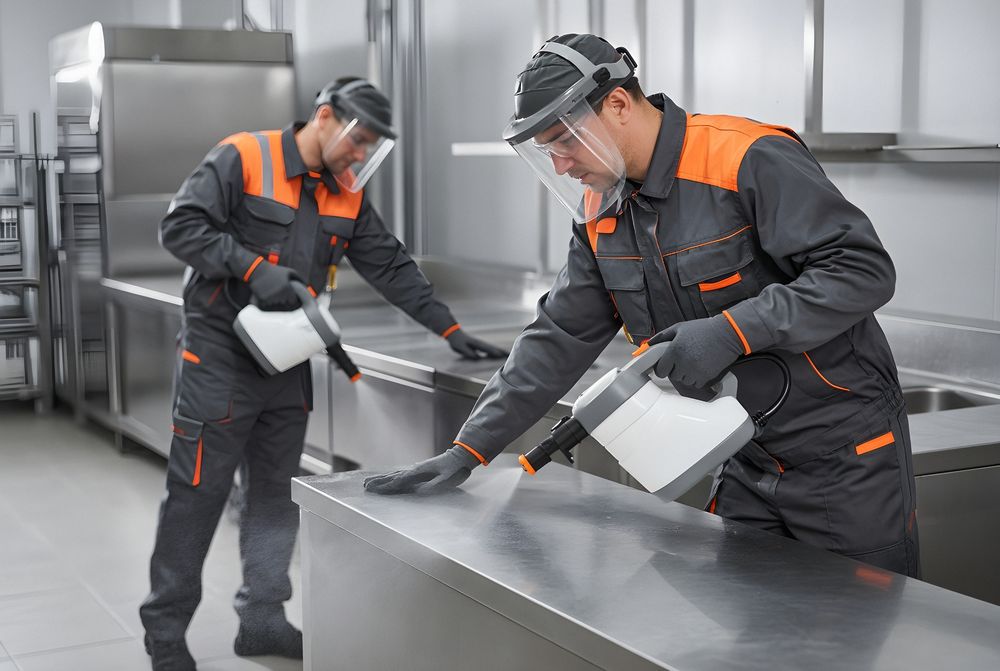
Hotels host thousands of guests a year, and biohazard incidents are part of operating one: a guest who dies in a room, an injury with heavy blood loss, a bodily fluid incident, a sewage backup in a bathroom, or an assault in a hallway. How the property responds affects staff safety, guest experience, reputation and liability. This guide focuses on non-drug biohazard events; see our separate guide on drug contamination in hotel rooms for that topic.
The first response
- Call 911 for medical emergencies, deaths and violent incidents.
- Secure the room or area; keep guests and staff out.
- Notify the manager on duty, who leads the response.
- Preserve the scene for police or the medical examiner if they're involved.
- Protect privacy: don't share details with other guests or on social media.
Protecting housekeeping and maintenance staff
Housekeepers often discover incidents. Your exposure control plan under OSHA's Bloodborne Pathogens Standard should cover employees with reasonably anticipated exposure, with training, gloves, spill kits, hepatitis B vaccination offers and post-exposure procedures. Set clear limits:
- Small, contained bodily fluid spills on hard surfaces can be cleaned by trained staff with spill kits.
- Deaths, large blood incidents, contamination of mattresses or carpet, sewage and anything involving needles in quantity go to a professional vendor.
Guest deaths
Deaths in hotels are more common than many people realize, from natural causes, overdoses and other events. After police and the medical examiner release the room:
- Remove the room from inventory until remediation is complete.
- Coordinate with the family on belongings, often through police or the medical examiner.
- Arrange professional remediation if fluids were released or the death wasn't discovered right away.
- Check adjoining rooms for odor or contamination through shared walls and ventilation.
Bodily fluid incidents
Vomit, blood and other fluids on carpet, upholstery or mattresses typically require removing or professionally cleaning those items. Norovirus incidents in particular call for products effective against norovirus and careful cleaning of high-touch surfaces in the room and nearby areas.
Sewage backups
Bathroom backups in guest rooms can affect the room below and adjacent rooms. Stop water use in the affected stack, call a plumber, remove guests from affected rooms, and arrange remediation that removes contaminated carpet and drywall and dries the structure.
Remediation in guest rooms
Professional remediation usually includes:
- Removal of contaminated mattresses, box springs, bedding, upholstered furniture and carpet
- Cleaning and disinfection of hard surfaces and bathrooms
- Cleaning of the room's HVAC unit
- Odor treatment
- Documentation for the brand, management company and insurer
Returning the room to service
Return the room only after remediation is complete, replacement furnishings are installed, and a manager has inspected it, including an odor check with the HVAC unit running. Keep documentation on file.
Guest communication
Guests in nearby rooms may notice police, odors or activity. Offer room changes when appropriate, and keep explanations brief and respectful. Don't disclose personal information.
Brand standards and insurance
Brands and management companies may require specific vendors and reporting. Know your insurance notice requirements and keep documentation for claims.
Planning ahead
Keep a short incident procedure at the front desk and in housekeeping offices, with the remediation vendor's number, manager escalation steps and scripts for guest communication. Train new managers on it.
A practical example
A housekeeper finds a guest unresponsive and calls the manager, who calls 911. The guest has died of natural causes, and police release the room that afternoon. The manager removes the room and the adjoining room from inventory, contacts the remediation vendor and notes belongings for the family. Remediation replaces the mattress and carpet and cleans the HVAC unit. The rooms return to service after inspection.
Common areas
Lobbies, elevators, pools, fitness rooms, stairwells and parking areas also see incidents. Close the area, use cones or barriers, and follow the same rules on what staff may clean. Pool incidents involving feces or vomit follow health department guidance for pool closure and treatment.
Frequently asked questions
Can housekeeping clean after a guest death?
If fluids were released, no; use professional remediation.
How quickly can a room return to service?
Often within a few days, once furnishings are replaced and the room is inspected.
What do we tell other guests?
As little as necessary; protect privacy and offer room changes.
Do we need to inform future guests?
Generally no, for a natural death; consult counsel for specific circumstances.
What if the family wants the belongings shipped?
Coordinate through the family or estate; cleaning may be needed first.
Does insurance cover remediation?
Commercial property policies often cover sudden events; check your policy.
What about norovirus outbreaks?
Use products registered against norovirus and follow public health guidance.
Who handles the guest's car?
Police or the family; if the vehicle needs cleanup, it's handled separately.
Key takeaways
Call 911, secure the area, protect privacy and staff, and use professional remediation for deaths, large fluid incidents and sewage. Check adjoining rooms, replace contaminated furnishings, document everything, and return rooms only after inspection.
Sources
- OSHA: 29 CFR 1910.1030, Bloodborne Pathogens Standard
- OSHA: Bloodborne Pathogens and Needlestick Prevention
- EPA: Registered Antimicrobial Products Effective Against Norovirus (List G)
- IICRC: ANSI/IICRC S500 Standard for Professional Water Damage Restoration
This guide is general information. It is not legal, medical, environmental or safety advice. Rules vary by state and locality. For a specific situation, consult the relevant agency or a qualified professional.