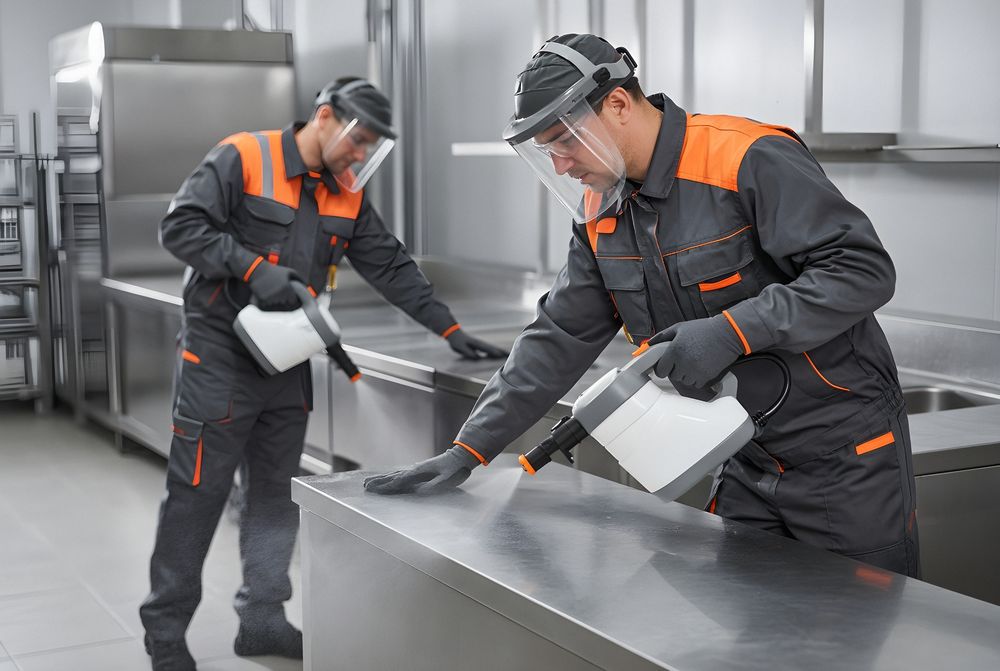
In restaurants, a bodily fluid incident isn't only a cleaning problem; it's a food safety issue. Vomit in a dining room, a cut in the kitchen, a sewage backup from a floor drain or a fight in a bar area can contaminate food, surfaces and equipment. Food codes and health departments expect operators to respond quickly and properly. This guide covers the essentials.
Why vomit incidents matter so much
Vomiting and diarrhea incidents in food establishments are a particular concern because of norovirus, a highly contagious virus that is a leading cause of foodborne illness outbreaks. Norovirus spreads through vomit and feces, can travel through the air during vomiting, and survives on surfaces. Many food codes require establishments to have written procedures for responding to vomiting and diarrheal events.
Responding to a vomit or diarrhea incident
- Clear the area of customers and staff, and cover the spill if possible.
- Stop food preparation and service near the incident; discard exposed food.
- Use a dedicated response kit with gloves, masks, aprons, absorbent material, disposable scoops, bags and an appropriate disinfectant.
- Absorb and remove the material, then clean the area.
- Disinfect using a product with a norovirus claim or a solution recommended by your health department, covering a wide area around the incident and keeping surfaces wet for the required contact time.
- Clean and disinfect nearby high-touch surfaces, tables, chairs and food-contact surfaces, rinsing and sanitizing food-contact surfaces as required.
- Bag waste, remove protective equipment carefully and wash hands thoroughly.
- Exclude ill employees according to food code and health department guidance.
Blood incidents
Kitchen cuts are common. Stop work, provide first aid, discard any food that may have been contaminated, and clean and disinfect affected surfaces and equipment. Employees with occupational exposure are covered by OSHA's Bloodborne Pathogens Standard.
Sewage backups
Backups from floor drains, grease traps or restrooms in kitchens and storage areas create serious contamination. Stop operations in affected areas, discard exposed food and single-use items, call a plumber, and arrange professional cleanup. Health departments may require notification and inspection before reopening.
Bars and late-night venues
Fights, injuries and bodily fluid incidents are more frequent in bars. Train staff on safe response, keep kits stocked, and use professional cleanup for large incidents.
When to call professionals
- Large or repeated vomit incidents, or suspected outbreaks
- Blood soaked into carpet, upholstery or porous surfaces
- Sewage in kitchens, storage or dining areas
- Deaths or violent incidents
- Contamination in hard-to-clean areas or equipment interiors
Health department coordination
Know your local health department's reporting requirements for illness, sewage and other incidents. Keep records of incidents, cleanup and employee exclusions. Inspectors may ask to see your written procedures.
Training
Train staff on the vomit and diarrhea response procedure, glove use, handwashing and when to stop food service. Review training when staff turnover is high.
Planning ahead
Keep a response kit in an accessible place, post the procedure where managers can find it, and maintain vendor contacts for plumbing and remediation. Review procedures after any incident.
A practical example
A diner vomits at a table during a busy dinner. The manager relocates nearby customers, removes food from surrounding tables, and uses the response kit to clean and disinfect a wide area with a norovirus-claim product. Servers wash hands, and the area reopens after cleaning. The manager logs the incident.
Restrooms
Customer restrooms are frequent locations for vomit, blood and sewage incidents, and occasionally needles. Include restrooms in your response procedure, check them regularly during service, and close them while incidents are cleaned.
Delivery and outdoor areas
Patios, drive-throughs and delivery entrances can also see incidents. The same procedures apply, with attention to stormwater rules when cleaning outdoor surfaces.
Frequently asked questions
Do we have to close after a vomit incident?
Usually not, if the response procedure is followed; closure decisions follow health department guidance.
What disinfectant should we use?
One registered with a norovirus claim or as your health department recommends.
Do we discard all food in the room?
Discard food exposed in the area of the incident; your procedure should define the area.
Can an employee who vomited keep working?
Ill employees must be excluded according to food code rules.
Who cleans a sewage backup in the kitchen?
Plumbers fix the cause; professional remediation handles cleanup, coordinated with health department requirements.
Should we report a suspected outbreak?
Follow your health department's reporting rules.
How large an area should be disinfected around vomit?
Follow your written procedure and health department guidance; many recommend a wide area because droplets spread.
Should staff wear masks during cleanup?
Many procedures include masks and eye protection because of splashing and airborne particles during vomiting incidents.
What belongs in a vomit response kit?
Disposable gloves, masks, eye protection, aprons, absorbent powder, disposable scoops, heavy bags, paper towels and a disinfectant with the right claim, plus a copy of the written procedure.
Key takeaways
Treat bodily fluid incidents as food safety events. Clear the area, discard exposed food, use a response kit and a norovirus-effective disinfectant over a wide area, exclude ill employees, and coordinate with the health department. Call professionals for large incidents, sewage and serious events.
Sources
- EPA: Registered Antimicrobial Products Effective Against Norovirus (List G)
- OSHA: 29 CFR 1910.1030, Bloodborne Pathogens Standard
- IICRC: ANSI/IICRC S500 Standard for Professional Water Damage Restoration
This guide is general information. It is not legal, medical, environmental or safety advice. Rules vary by state and locality. For a specific situation, consult the relevant agency or a qualified professional.