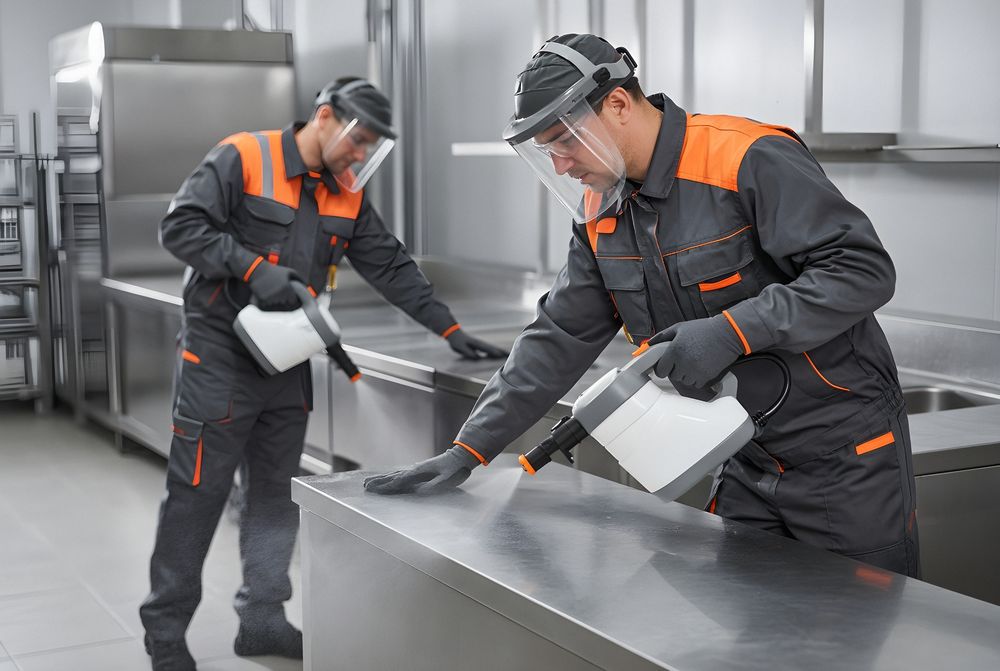
Schools and campuses handle biohazard incidents regularly: nosebleeds and playground injuries, vomiting illness, restroom incidents, sports injuries, sewage backups, and occasionally violent or traumatic events. Most are routine. A clear plan helps staff respond safely and keep learning on track, and prepares the school for the rare serious event.
Everyday incidents
Most bodily fluid incidents in schools are small and handled by trained custodial staff or nurses using spill kits. Key practices:
- Keep students away from the spill.
- Use gloves and appropriate protective equipment.
- Absorb, clean and then disinfect with a product appropriate for the situation, observing contact time.
- Bag waste and wash hands.
- Report incidents according to district procedures.
Districts with employees who have occupational exposure to blood must follow OSHA's Bloodborne Pathogens Standard, or their state's equivalent plan, including exposure control plans, training and hepatitis B vaccination offers.
Illness and outbreaks
Vomiting and diarrhea outbreaks, often caused by norovirus, spread quickly in schools. Effective response includes:
- Prompt cleanup of vomit and diarrhea incidents with products effective against norovirus
- Enhanced cleaning of restrooms, cafeterias, door handles, desks and shared equipment
- Following local health department guidance on exclusion and reporting
The EPA maintains a list of products with claims against norovirus, which helps facilities choose effective disinfectants.
Athletic facilities
Locker rooms, mats and training rooms can spread skin infections such as MRSA. Regular cleaning and disinfection of mats and shared equipment, and policies on covering wounds and not sharing towels, reduce risk.
Sewage and water events
Restroom and kitchen backups require closing affected areas, calling plumbers, and cleanup that treats sewage as contaminated water. Cafeteria areas must follow health rules on food and food-contact surfaces.
Serious and traumatic events
Violent incidents, suicides or deaths on campus require:
- Emergency response and law enforcement
- Securing the area and supporting students and staff
- Waiting for release before cleanup
- Professional remediation, ideally after hours, with discretion
- Thoughtful decisions about when and how spaces reopen
Removing physical reminders matters for the school community's recovery.
Custodial staff safety
Custodial staff are often first to clean incidents. Provide training, spill kits, sharps containers and clear limits: large blood incidents, deaths, sharps in quantity and sewage go to professionals or specially trained teams.
Residence halls
Colleges face incidents in residence halls, including unattended deaths over breaks, drug use and overdoses. Housing staff should know whom to call and how to secure rooms and belongings for families.
Communication
Parents and staff expect timely, accurate communication about outbreaks and incidents that affect them, balanced with privacy. Coordinate with district communications and public health.
Planning ahead
Include biohazard response in emergency operations plans, keep vendor contacts current, stock spill kits, train custodians and nurses annually, and review procedures after incidents.
A practical example
Several students in an elementary school vomit over two days. The nurse notifies the principal and local health department. Custodians clean incidents using a product with a norovirus claim and increase disinfection of restrooms and high-touch surfaces. The district sends families information on symptoms and exclusion. Cases decline within days.
Buses and transportation
School buses see vomit and bodily fluid incidents frequently. Drivers should have spill kits, and buses should be cleaned and disinfected before the next route. Larger incidents or blood on seats may need professional cleaning, and torn seat covers should be repaired so they can be disinfected effectively.
Childcare and early learning
Childcare settings face frequent diapering and bodily fluid incidents and must follow state licensing rules on sanitation. Clear procedures, accessible supplies and handwashing are the foundation.
Budgeting and contracts
Districts often set up on-call contracts with remediation vendors for serious incidents and sewage events. Pre-approved vendors shorten response time and help meet purchasing rules.
Recordkeeping
Keep logs of bodily fluid incidents, outbreak responses and vendor work. Records help with health department inquiries, insurance claims and reviewing what worked.
Frequently asked questions
Can teachers clean up vomit?
District policy decides; usually custodians or nurses with spill kits handle it.
What disinfectant should we use for norovirus?
A product registered by the EPA with a norovirus claim, used as directed.
Who cleans after a serious incident?
A professional remediation company, after law enforcement releases the area.
How do we support students after a traumatic event?
Counselors, crisis teams and community resources; physical cleanup is one part of recovery.
Do we need to report outbreaks?
Follow your state and local health department's reporting rules.
Should we close school for an outbreak?
Follow public health guidance.
What about sharps found on campus?
Train custodians to use tools and sharps containers, and never let students handle them.
Do we need a vendor for every incident?
No; routine spills are handled in-house. Vendors are for serious events, large contamination and sewage.
Who cleans a classroom after a nosebleed?
Trained custodial staff or the nurse, using gloves, absorbent material and an appropriate disinfectant. Students should move away from the area until it is clean.
Key takeaways
Schools should train and equip custodial staff for routine incidents, use effective products and enhanced cleaning for outbreaks, handle sewage and athletic areas carefully, and use professional remediation for serious events. Plan ahead, communicate clearly, and support students and staff.
Sources
- OSHA: 29 CFR 1910.1030, Bloodborne Pathogens Standard
- EPA: Registered Antimicrobial Products Effective Against Norovirus (List G)
- EPA: Selected EPA-Registered Disinfectants
- IICRC: ANSI/IICRC S500 Standard for Professional Water Damage Restoration
This guide is general information. It is not legal, medical, environmental or safety advice. Rules vary by state and locality. For a specific situation, consult the relevant agency or a qualified professional.