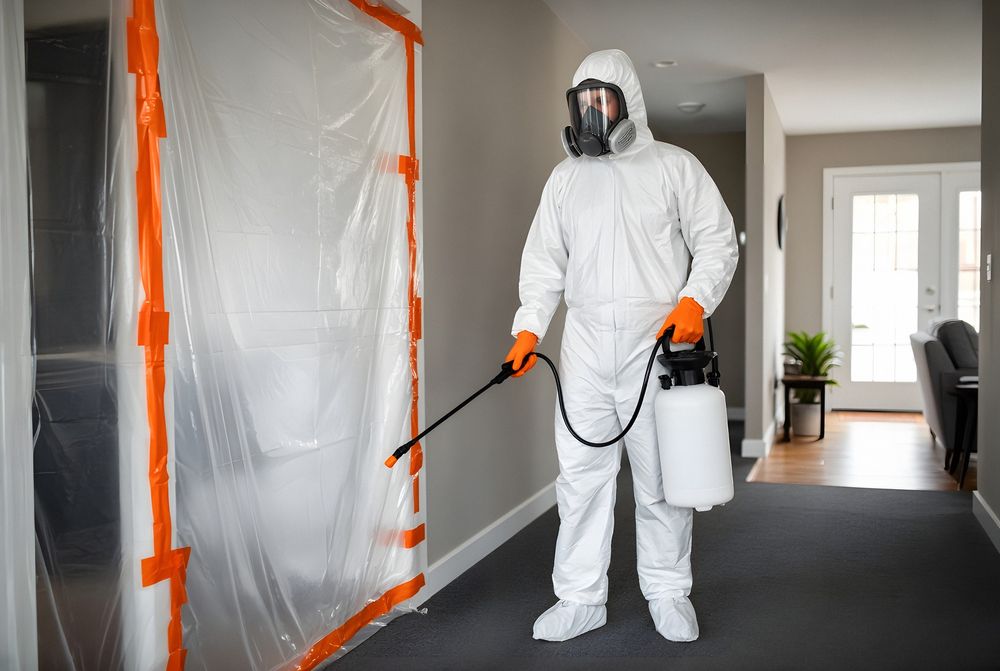
After contamination, the most important question for any item or building material is whether it can be cleaned or must be removed. The answer depends mostly on whether the material is porous. Understanding this helps you make sense of a remediation scope and avoid paying to clean things that can't be saved.
What porous means
A porous material has openings, fibers or spaces that let liquids and air move into it. Carpet, carpet pad, foam cushions, mattresses, upholstery, drywall, ceiling tile, insulation, paper, cardboard, unsealed wood and unsealed concrete are all porous to some degree.
A non-porous material has a sealed, impermeable surface. Glass, glazed ceramic tile, metal, sealed stone, most hard plastics and well-sealed finishes are effectively non-porous.
Between them are semi-porous materials such as sealed wood floors, laminate, vinyl plank with seams, grout and painted drywall. Their surfaces resist liquids for a while, but seams, cracks and edges let fluids through.
Why porosity matters
Disinfectants work on surfaces they can reach and keep wet. On a non-porous surface, cleaning removes the material and the disinfectant contacts everything that remains. On a porous material, fluids soak in beyond the reach of cleaning, and the deeper layers stay contaminated. Biological material trapped inside supports bacterial growth and produces odor that returns long after the surface looks clean.
Common materials after contamination
Usually removed when saturated by blood, bodily fluids, sewage or decomposition:
- Carpet and especially carpet pad, which acts like a sponge
- Mattresses and box springs
- Upholstered furniture and foam cushions
- Drywall and insulation in affected areas
- Ceiling tiles
- Particleboard and many laminate products, which swell and absorb
- Paper goods and cardboard
Often cleanable:
- Glass, metal, glazed tile and sealed stone
- Hard plastics
- Sealed wood furniture with intact finishes
- Appliances (exteriors)
- Painted surfaces with light, surface-only contamination
It depends:
- Hardwood flooring. Fluids can run into seams and under boards. Light surface contamination may clean up; anything that got into seams often means board removal.
- Subfloor. Plywood and OSB absorb fluids. Lightly stained subfloor may be cleaned, disinfected and sealed. Saturated or delaminating sections are cut out.
- Concrete. Concrete is porous but durable. It can often be cleaned, treated and sealed, though deep staining may remain.
- Grout. Porous grout can hold contamination and may need replacement.
- Leather and vinyl upholstery. Can sometimes be cleaned if the surface is intact and fluids didn't reach the padding.
Water category matters too
For water damage, the water restoration standard published by the IICRC classifies water by contamination. Clean water from a supply line break allows more materials to be dried and saved. Category 3 water, which includes sewage and floodwater from outside, generally means porous materials it touched should be removed. Health agencies give similar advice: the CDC recommends removing drywall and insulation contaminated by sewage or floodwater.
Time and depth
How long contamination sat matters. A spill caught quickly on a sealed floor may stay on the surface. The same spill left for days on carpet will reach the pad and subfloor. Decomposition that went unnoticed for weeks often reaches joists. Professionals trace the full extent, because removing the visible carpet while leaving contaminated pad or subfloor guarantees odor returns.
Sentimental and valuable items
Some items are worth extra effort even if they're porous. Photographs, documents, heirloom textiles and artwork can sometimes be restored by specialists. Antique furniture can be reupholstered by replacing padding and fabric while keeping the frame. Tell your remediation company early which items matter most, so they can be set aside before bulk removal.
Insurance and documentation
Insurers want to know why each item was discarded. Professional documentation records what was removed, the reason, and photos. Contaminated items are typically documented before disposal so they can be included in a contents claim.
Don't try to save what can't be saved
It's natural to want to keep a favorite chair or an expensive mattress. But cleaning a saturated porous item costs money and usually fails: the odor returns, stains wick back to the surface, and the item may still carry contamination. A clear-eyed decision at the start saves money and trouble later.
A practical example
Picture a bedroom where a person passed away and was not found for several days. The mattress and box spring absorbed fluids and are removed. The carpet looks stained in one area, but the pad beneath is saturated over a wider area, so both come out with a margin. The plywood subfloor shows staining; the stained section is cut out, and the joists below are cleaned, disinfected and sealed. A wooden nightstand with an intact finish is cleaned and kept. A cloth armchair across the room that the fluids never reached is cleaned for odor and returned. That is porosity, depth and distance applied item by item.
How professionals decide
Assessors look at the material, the contaminant, the depth of penetration, the time elapsed and the item's value. They use visual inspection, moisture meters, ultraviolet light for some fluids, and sometimes test cuts. The goal is to remove what's contaminated, with a reasonable margin, and nothing more.
Key takeaways
Non-porous materials can usually be cleaned and disinfected. Porous materials that absorbed blood, sewage or decomposition fluids usually must be removed, because contamination inside them can't be reached. Semi-porous materials depend on depth and time. Ask your remediation company to explain each removal decision and document it.
Sources
- IICRC: ANSI/IICRC S500 Standard for Professional Water Damage Restoration
- CDC: Clean Up After a Disaster
- OSHA: 29 CFR 1910.1030, Bloodborne Pathogens Standard
- EPA: Selected EPA-Registered Disinfectants
This guide is general information. It is not legal, medical, environmental or safety advice. Rules vary by state and locality. For a specific situation, consult the relevant agency or a qualified professional.