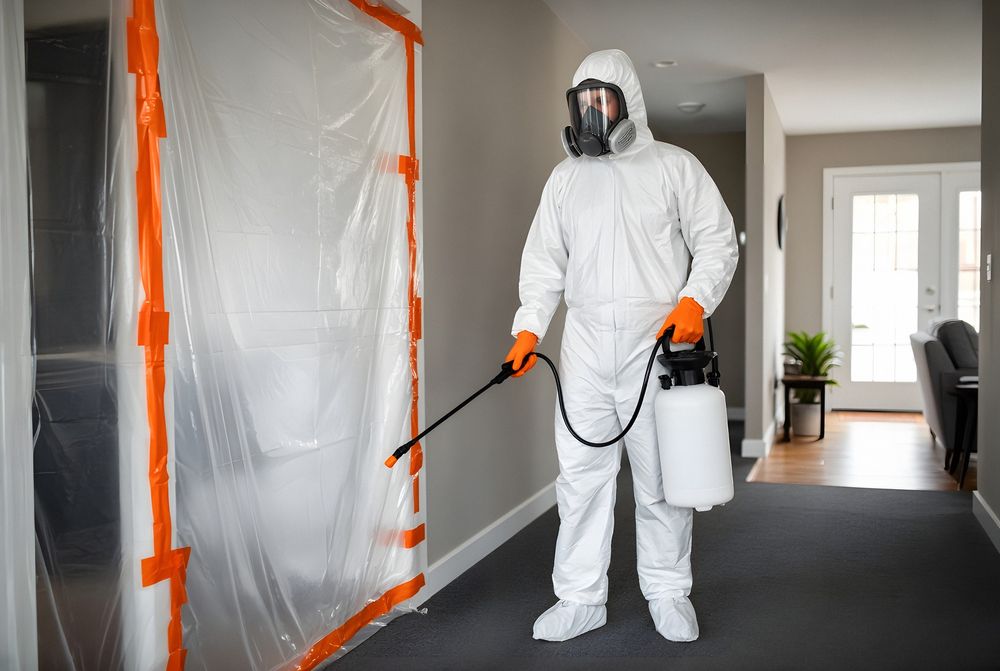
When an injury happens on the job
Serious workplace injuries, and sometimes fatalities, leave blood and other potentially infectious materials on floors, machinery, conveyors, vehicles and work surfaces. Employers then have competing priorities: protecting workers, cooperating with investigators (including OSHA where reporting rules apply), supporting affected employees and restoring operations.
OSHA's Bloodborne Pathogens Standard (29 CFR 1910.1030) applies to employers whose workers have occupational exposure to blood and other potentially infectious materials. Many employers don't want to assign untrained production or maintenance staff to clean a serious incident. They bring in a specialized contractor so their own people aren't exposed.
How we work in industrial settings
- Coordination with your safety lead. We confirm the investigation is complete and that the area and equipment have been released.
- Lockout/tagout. Equipment is de-energized and locked out under your site procedures before anyone works on or around it.
- Hazard review. We review chemicals, moving parts, confined spaces, elevated work and other site hazards, and the work plan follows your permits and rules.
- Remediation. Contaminated floor surfaces, guards, conveyor components and tools are cleaned and disinfected. Absorbent materials, such as mats, rags and some belt materials, are removed.
- Equipment considerations. We follow manufacturer guidance for cleaning agents and methods so equipment isn't damaged. Some components may need to be replaced rather than cleaned.
- Waste handling under regulated-waste rules.
- Documentation for your incident file, insurer and any regulatory inquiry.
Construction and outdoor sites
On job sites, contamination may be on soil, concrete, scaffolding or vehicles. Contaminated soil may need to be removed rather than cleaned, and disposal follows local rules.
Supporting your employees
Witnessing a serious workplace injury is traumatic. Many employers offer employee assistance programs, and getting the physical scene cleaned quickly and completely is part of helping people return to work.
Common questions
Do we need to wait for OSHA before cleanup?
If the incident triggers OSHA reporting or an inspection, coordinate with OSHA and your counsel before disturbing the scene. We start only after your safety lead confirms the area has been released.
Can production resume the same day?
Often, if the affected area is limited and equipment can be cleaned rather than replaced. We plan the work around your shift schedule to keep downtime as short as possible.
Will cleaning damage our equipment?
We follow manufacturer guidance for cleaning agents and methods, and we ask for your maintenance team's input on sensitive components such as sensors, belts and electrical enclosures.