Why norovirus spreads so easily
Norovirus is the leading cause of vomiting and diarrhea outbreaks in the United States. Very small amounts can make people sick, and it survives on surfaces and resists many common cleaners. Vomiting can spread droplets well beyond where it lands. That's why outbreaks move quickly through restaurants, schools, senior living, cruise-style venues, hotels and households.
A norovirus-focused response
- Contain. Close the affected area and keep people away.
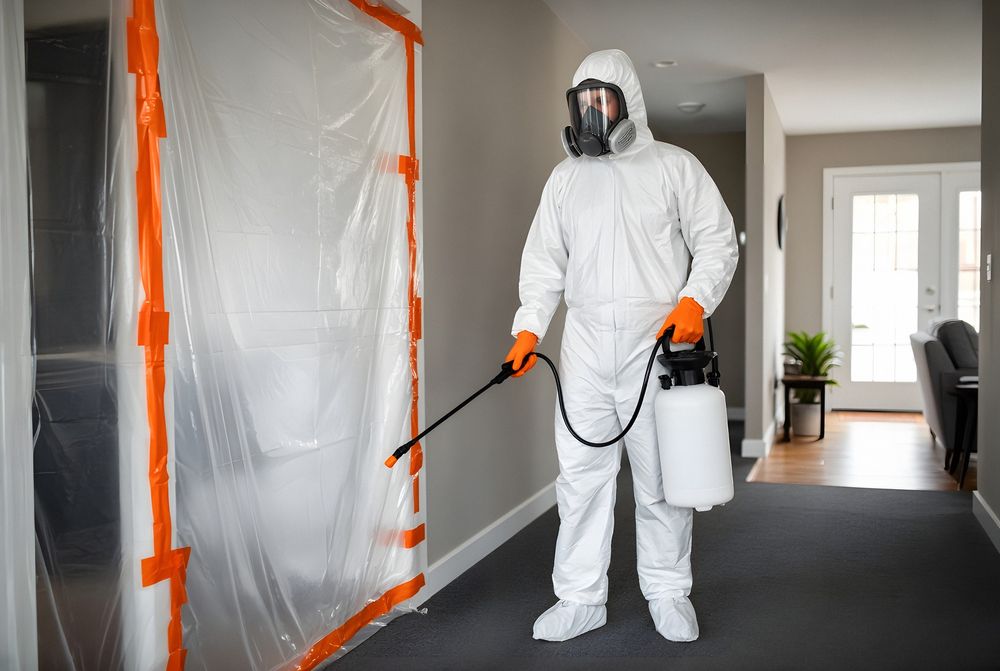
- Protect. Technicians wear gloves, gowns and face and eye protection.
- Remove vomit or fecal material with absorbents, carefully, to avoid creating droplets.
- Clean a wide area around the incident and nearby high-touch surfaces.
- Disinfect with EPA-registered products whose labels claim effectiveness against norovirus, kept wet for the full contact time. EPA maintains a list of such products.
- Soft surfaces and linens. Fabrics are extracted, laundered hot or treated with label-appropriate products.
- Expand during outbreaks. Restrooms, dining areas, common rooms, handrails and transport are treated on a planned schedule.
- Document areas, products and timing.
Food service
Restaurants and food establishments must follow their state and local food code, which typically requires written procedures for vomit and diarrheal events. We can support your procedures and handle significant incidents. Your health department may also give direction during an outbreak.
Schools and facilities
During an outbreak, coordinate with your local health department, which can advise on exclusion periods and cleaning frequency. We provide surge cleaning and disinfection capacity.
Common questions
How long is norovirus contagious on surfaces?
It can remain infectious on surfaces for days to weeks under some conditions, which is why proper disinfection matters.
Does hand sanitizer work?
Handwashing with soap and water is recommended. Alcohol sanitizers are less effective against norovirus.